

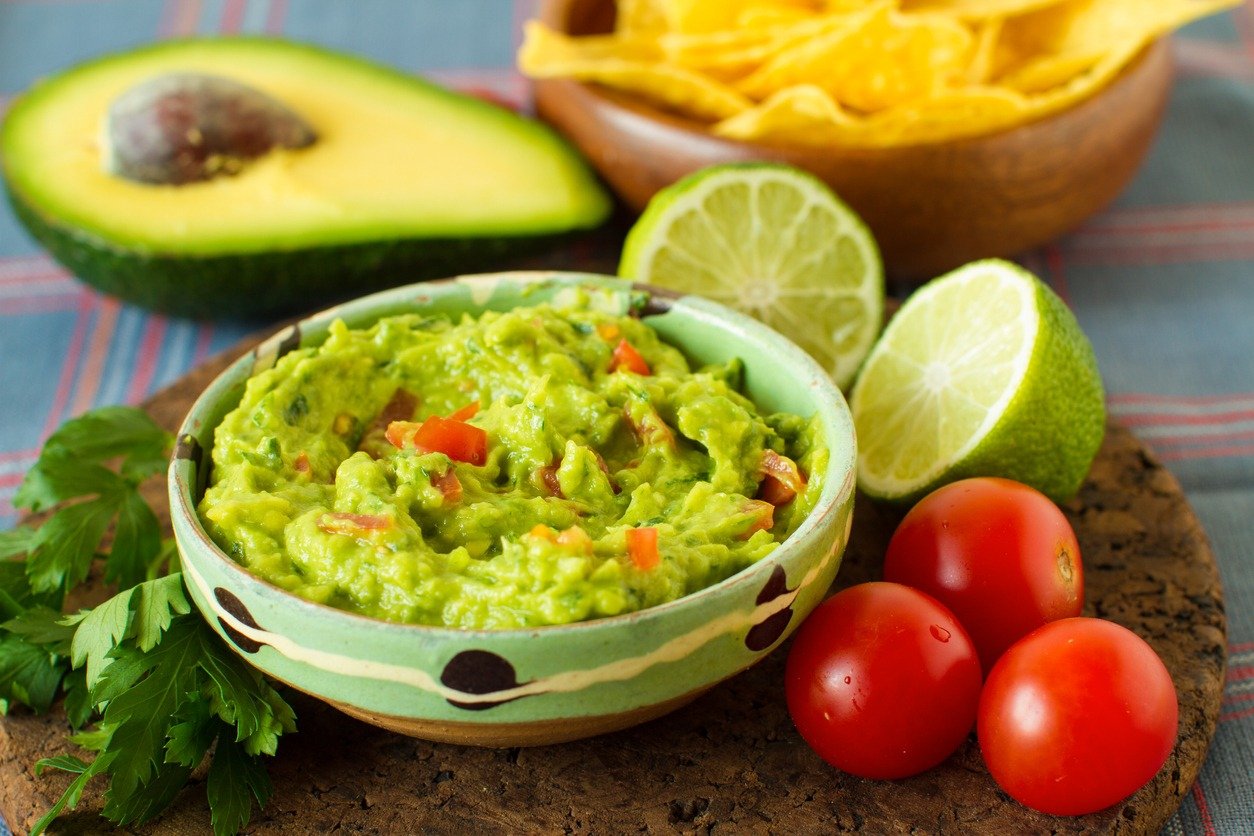
Food enthusiasts across the country are marking National Guacamole Day today, celebrating the creamy, avocado based dip that has become a beloved staple at gatherings, restaurants, and everyday snacking occasions throughout American food culture.
Guacamole’s core ingredient, avocado, provides both the dip’s distinctive creamy texture and a favorable nutritional profile, containing heart healthy monounsaturated fats that have contributed to the avocado’s broader popularity as a nutritionally valued food item in recent years.
Traditional guacamole recipes typically combine mashed avocado with lime juice, salt, and various additional ingredients like diced onion, tomato, cilantro, and jalapeño, though countless regional and personal variations exist reflecting diverse culinary preferences and ingredient availability.
The dip’s origins trace back to Aztec culinary traditions in what is now Mexico, with the name itself deriving from Nahuatl language terms, reflecting guacamole’s deep historical roots within Mesoamerican food culture long before its widespread adoption throughout American cuisine.
Restaurant culture has firmly established guacamole as an expected menu offering at many establishments, particularly those serving Mexican or Tex-Mex inspired cuisine, with fresh tableside preparation becoming a popular presentation style at various dining establishments nationwide.
Avocado ripeness plays a critical role in achieving ideal guacamole texture and flavor, with home cooks often needing to plan ahead to ensure avocados reach appropriate ripeness, as both underripe and overripe fruit can significantly affect the final dip’s quality and consistency.
Commercial guacamole products have expanded significantly in grocery stores, offering convenient alternatives to homemade preparation, though many enthusiasts continue preferring fresh, made from scratch versions for optimal flavor and texture compared to packaged alternatives.
Sporting event culture has particularly embraced guacamole, with the dip becoming closely associated with football watching gatherings and similar social occasions, contributing to significant seasonal demand spikes connected to major sporting events throughout the year.
Regional and creative variations on traditional guacamole continue emerging, with some chefs incorporating unexpected ingredients like fruit, unusual spices, or alternative preparation techniques that showcase creative approaches while maintaining the dip’s fundamental avocado based character.
Nutritional considerations for guacamole generally favor its inclusion in balanced diets, given avocado’s beneficial fat content, though portion awareness remains relevant given the dip’s calorie density, particularly when paired with calorie dense chips or other accompaniments.
As this observance continues, guacamole enthusiasts across the country are encouraged to enjoy this beloved dip today. Whether prepared fresh at home or enjoyed at a favorite restaurant, guacamole continues offering satisfying flavor that has earned its significant place within American food culture.
