

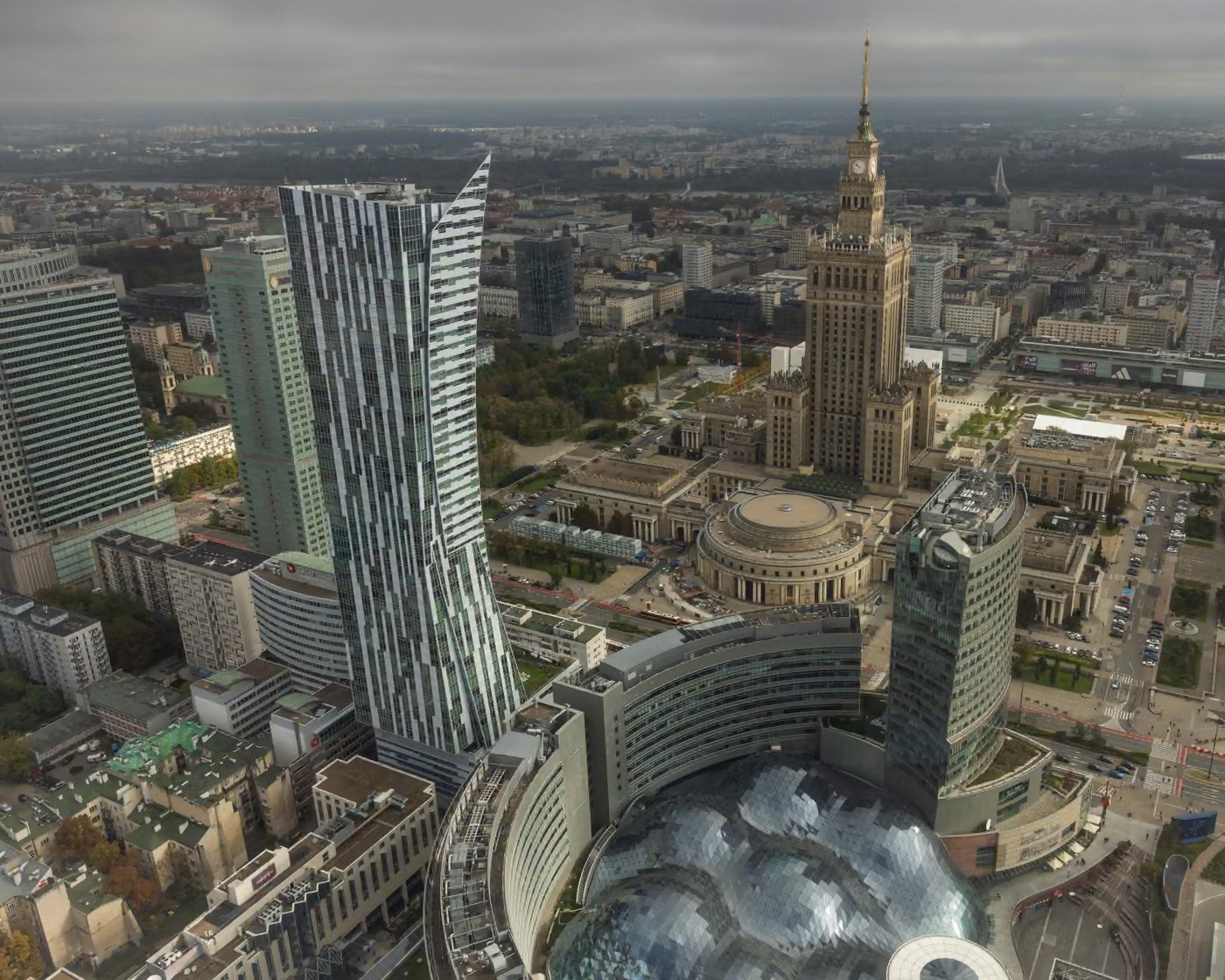
Poland’s economic growth has changed the lives of many people who once left the country to find work abroad. Rising wages and new opportunities have encouraged some workers to return, reversing part of the brain drain that followed the country’s transition away from Soviet influence. Poland’s progress has helped it become one of Europe’s major economies, although the benefits have not been shared equally by everyone.
For years, many Polish workers moved to countries such as Britain, Germany and Ireland in search of higher pay and better prospects. Their departures left some families separated and made it harder for certain industries to find workers. As Poland’s economy expanded, wages rose and businesses created new jobs. Some people who had built lives abroad began to consider returning to be closer to family or take advantage of opportunities at home.
The change also reflects the growth of Poland’s cities and its wider role in European trade. Investment, manufacturing and services have helped support economic activity. However, rising living costs have created new challenges. Housing, transport and everyday expenses can absorb much of the increase in wages, particularly for younger people and families in large cities.
Poland’s experience shows that economic development can influence migration in both directions. Better pay and stronger public services may encourage people to return, while high costs can make it difficult for them to settle comfortably. The country still faces questions about productivity, regional inequality and the availability of affordable housing. Its progress is significant, but sustaining that success will require policies that help ordinary households benefit from growth rather than simply increase national economic figures.
