

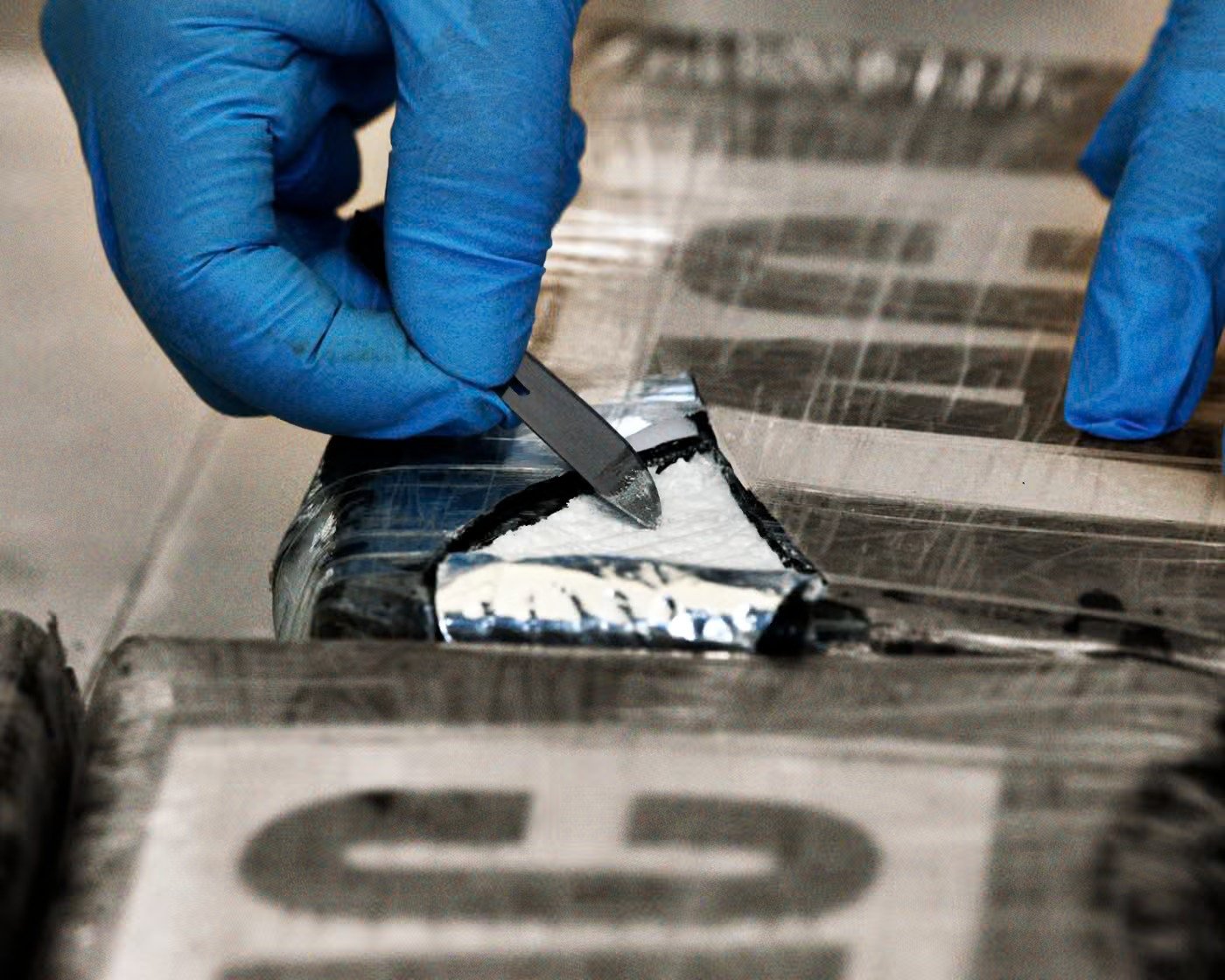
An investigation published on Tuesday has found that criminal groups from Latin America have developed a wider presence across Europe. The networks are linked to cocaine trafficking and have built connections with local criminal organisations. Researchers and law enforcement sources say the activity now reaches countries beyond the traditional entry points used to bring illegal drugs into the continent.
Cocaine seizures in Europe rose sharply between 2014 and 2024, according to the investigation. Authorities have also found more facilities used to process drugs and their derivatives. Criminal groups linked to Colombia, Brazil, Mexico, Venezuela and other countries have been identified in several European states. Some operate directly, while others work with local groups that already understand the region’s transport routes and criminal markets.
The expansion creates challenges for police and prosecutors because the networks can operate across several borders. Investigators may need to share information, follow money transfers and coordinate arrests in different countries. Experts say the groups are attracted by the potential profits available in European markets. However, the presence of a group in a country does not automatically mean that it controls the local market. The findings point to the need for closer international cooperation, stronger investigations into financial networks and continued work to reduce the harm caused by drug trafficking.
