

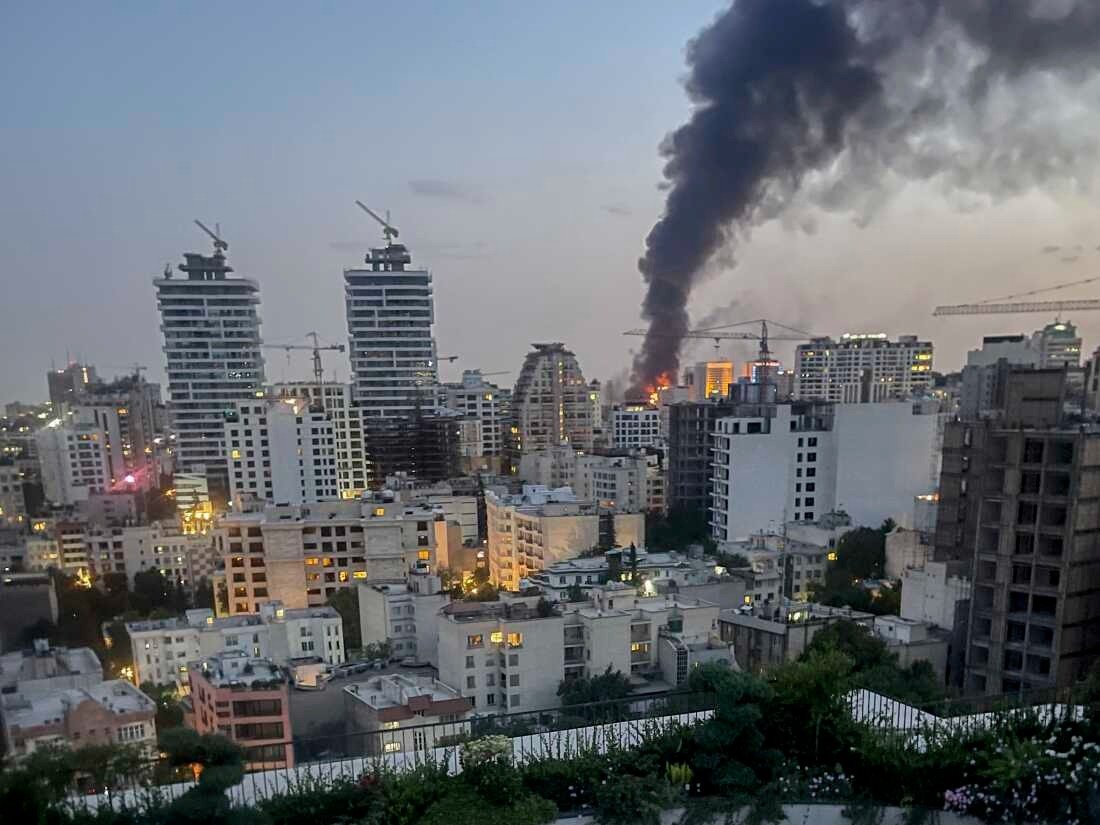
Israeli Defense Minister Israel Katz issued a pointed warning this week, stating that Israel warns striking Iran infrastructure across all categories, including energy facilities, should Iran launch another attack against Israeli territory in the ongoing conflict.
This warning represents a significant escalation in rhetoric, explicitly naming energy infrastructure as a potential target category, a departure from more limited previous strikes that had generally avoided broader economic infrastructure in favor of military and nuclear related facilities.
Iranian leadership has shown growing concern in recent weeks that deteriorating economic conditions within the country could eventually trigger domestic anti government protests, making any strikes against critical energy infrastructure particularly consequential for regime stability considerations.
Israeli officials appear to be calculating that this specific threat against economic infrastructure carries unique deterrent value, given Iranian leadership’s apparent sensitivity to how further economic deterioration might affect internal political stability during this extended conflict period.
Iran has reportedly sent discreet warnings to the United States regarding potential consequences of further escalation, though some analysts suggest this messaging may partly reflect Iranian efforts to generate diplomatic pressure aimed at restraining Israeli military activity, particularly in Lebanon.
This latest warning comes after Israeli forces reportedly cleared a significant underground facility linked to Hezbollah beneath a ridge in southern Lebanon, representing continued military operations against Iran backed proxy forces throughout the broader regional conflict.
Military analysts note that any actual strikes against Iranian energy infrastructure would represent a substantial further escalation, potentially triggering more severe economic consequences for ordinary Iranians while also risking a more forceful Iranian response than previous, more limited exchanges.
Iranian officials have not publicly threatened specific military retaliation should an Israeli offensive against Hezbollah positions continue, though the underlying tension suggests continued uncertainty about how various parties might respond to further escalatory actions in the coming weeks.
Regional experts suggest Iranian decision makers may calculate that a limited, symbolic response employing a smaller number of munitions could satisfy internal political pressure to respond to Israeli actions while avoiding provoking the more severe infrastructure strikes now explicitly threatened.
International diplomatic efforts continue navigating this delicate balance, with various parties working to prevent further escalation even as military rhetoric and limited operations continue affecting the broader regional security situation throughout the extended conflict period.
As this latest warning adds to an already tense standoff, regional observers remain focused on whether Iran’s apparent restraint continues or whether escalating rhetoric eventually translates into the broader infrastructure strikes now explicitly threatened by Israeli officials.
