

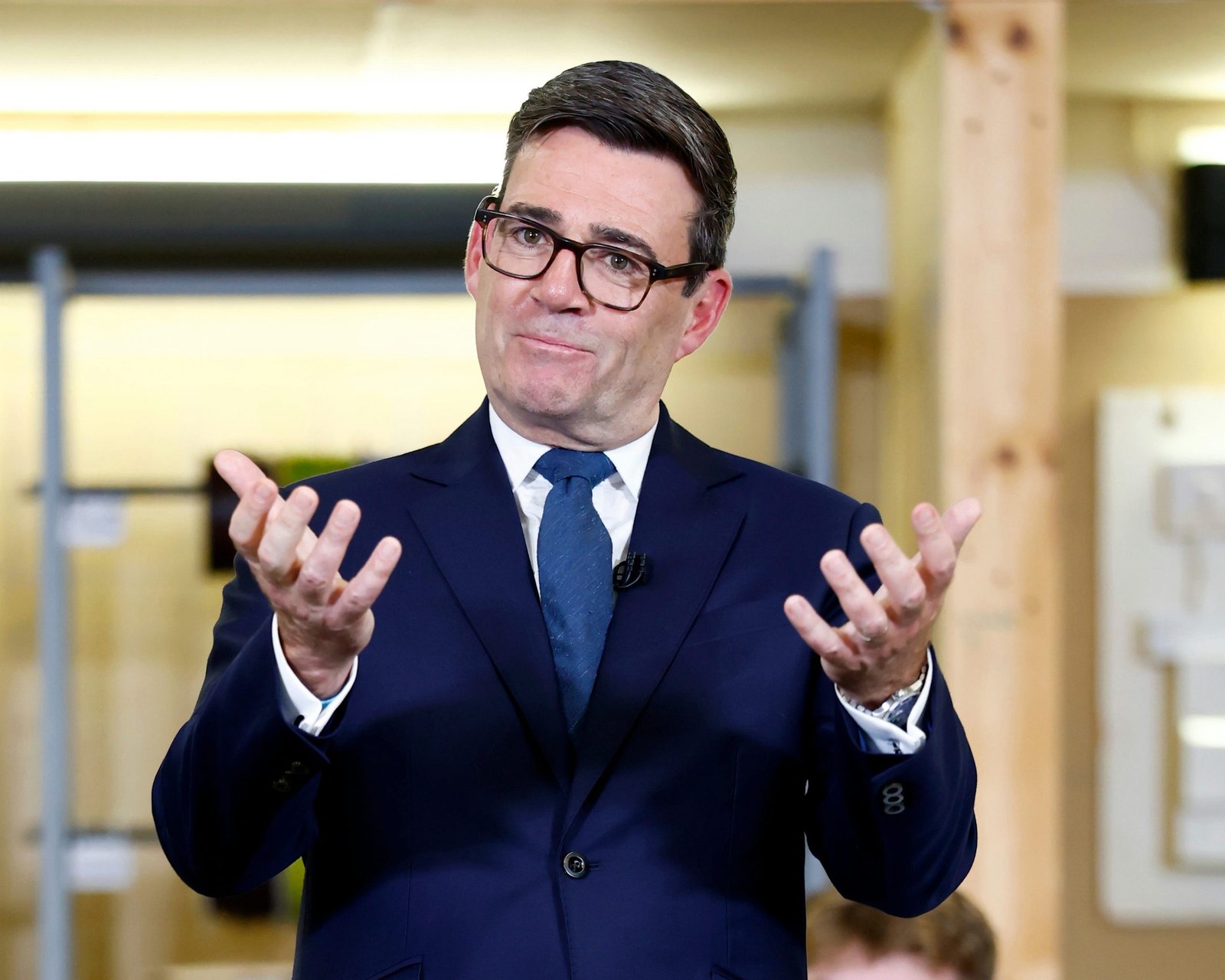
The future of young people who are not in education, employment or training has become a major issue in British politics. Andy Burnham has called for significant changes to the welfare system, arguing that the current approach does not give enough young people the support they need to find work and build stable lives.
The debate follows growing concern about the number of young people struggling to enter the workforce. Those who leave school without a clear path may face barriers such as limited work experience, poor access to training, health difficulties or a lack of suitable jobs in their area. Long periods without education or employment can make it harder to gain skills and confidence.
Burnham has backed a shift towards stronger employment support and practical help. The debate includes proposals to review how benefits are used and whether more money should be directed towards training, guidance and routes into work. Supporters argue that early investment could help people avoid long-term exclusion from the labour market.
However, welfare reform can be controversial. Critics may question whether changes to benefits would place too much pressure on young people who face barriers beyond their control. A policy that focuses only on reducing payments may fail if jobs, transport, mental health support and training places are not available.
A report on childhood conditions has also highlighted differences in the services and opportunities available to children in different parts of England. Access to safe spaces, youth services and mental health care can affect whether young people are ready to learn and work. These gaps may be difficult to solve through a single national policy.
The challenge for policymakers is to build a system that offers clear expectations while recognising different needs. Employers, colleges, local councils and health services may all have a role in helping young people move into education or work.
The debate is likely to continue as parties develop their positions on welfare, public spending and the labour market. The outcome will matter not only for government budgets but also for young people trying to find a secure place in society.
