

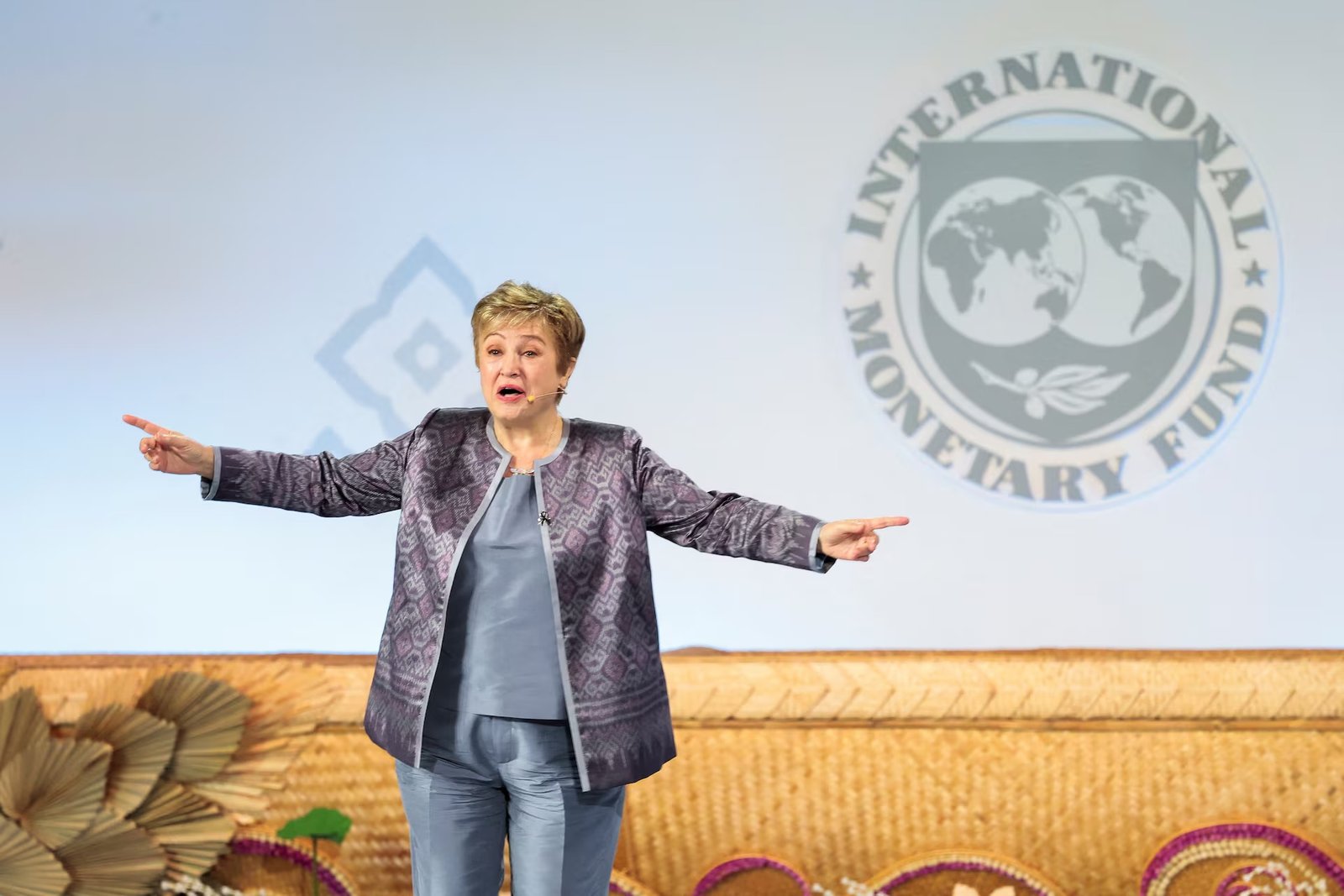
International Monetary Fund chief Kristalina Georgieva has warned that the risks of artificial intelligence could outweigh its benefits if the technology develops without effective safeguards. Speaking during the annual meetings of the IMF and World Bank in Bangkok, she called for a clear ethical framework and cooperation between governments and technology companies.
Artificial intelligence is being used in a growing number of fields, including health care, finance, education and manufacturing. Supporters say it can help workers analyse information faster, improve services and develop new products. But the rapid pace of change has also raised concerns about job losses, unfair decisions and the financial risks created by large investments in the technology.
Georgieva argued that AI should not be treated as a tool that can safely regulate itself. Companies have a role in creating standards, but public authorities may also need to set rules and make sure those standards are followed. The challenge is to protect people without preventing useful research or making it too difficult for smaller businesses to adopt the technology.
Access is another concern. AI systems require computing power, digital networks and large amounts of electricity. Countries that lack reliable infrastructure may struggle to benefit from the technology, even if they have skilled workers and businesses ready to use it. This could widen the gap between wealthy economies and countries with fewer resources.
There are also questions about the money being invested in AI. Companies are spending heavily on data centres, computer chips and other infrastructure in the hope that future demand will justify the cost. If expected gains fail to appear, some investors could face major losses. Those losses could spread beyond the technology sector if companies rely on large amounts of debt.
The impact on jobs remains uncertain. AI may replace some tasks while creating demand for new skills and occupations. Workers who can adapt may find new opportunities, but others could need training or support as their roles change. Governments and employers may therefore need to invest in education and help people move into different kinds of work.
Experts at the meetings also argued that standards should not remain voluntary in every area. Clear rules could help businesses understand their responsibilities and give the public more confidence in AI systems. At the same time, rules must be practical enough to keep pace with a technology that changes quickly.
The central issue is how to share AI’s benefits while limiting its dangers. Better tools could improve productivity and public services, but those gains are not guaranteed to reach everyone. The IMF’s warning highlights the need for early planning, fair access and accountability as AI becomes more deeply involved in everyday life.
