

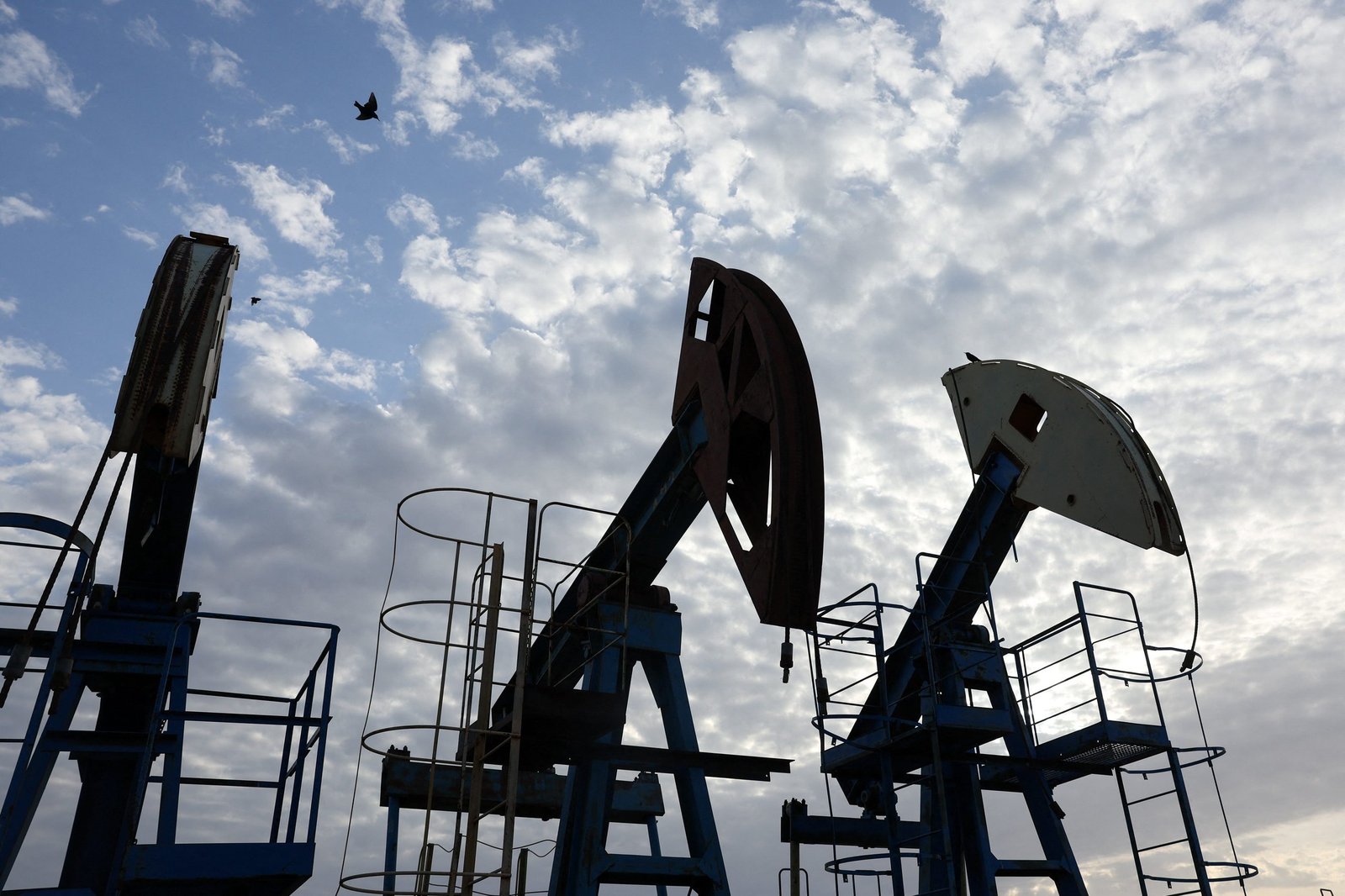
Oil prices rose sharply on Thursday as escalating conflict in the Middle East raised concerns about energy supplies and the safety of key shipping routes. Brent crude climbed to its highest level since May, while US oil prices also increased as traders assessed the risk of further disruption.
The price movement followed reports of attacks in Saudi Arabia and a US decision to order some diplomats to leave the country. The developments added to concern about the security situation in a region that plays a major role in global oil production and exports.
The Strait of Hormuz remains central to those concerns. The narrow waterway is used by energy exporters to move large volumes of oil and gas to international markets. If shipping becomes unsafe or insurance costs rise sharply, deliveries can be delayed and energy companies may need to seek alternative arrangements.
Higher oil prices can affect many parts of the economy. Airlines, transport firms and manufacturers may face higher operating costs, while households can feel the effect through fuel and energy bills. If the increase continues, it may also complicate efforts by central banks to control inflation.
Traders must distinguish between temporary price movements and lasting supply problems. A sudden increase may reflect fears about what could happen rather than an actual shortage of oil. However, markets can react quickly when a conflict threatens infrastructure or shipping routes that are difficult to replace.
Governments and energy companies have several ways to respond, including using strategic reserves, adjusting production and seeking alternative transport routes. These options can reduce pressure but may not fully offset a prolonged disruption.
The situation also creates uncertainty for oil-producing countries. Higher prices can increase revenue for exporters whose shipments continue, but conflict can damage infrastructure, discourage investment and raise the cost of protecting facilities. Importing countries face the opposite problem: more expensive energy can weigh on growth and household budgets.
For investors, the main question is whether tensions will spread and whether oil shipments can continue safely. The market will also watch official statements and any signs of progress towards de-escalation.
The latest rise shows how quickly geopolitical developments can influence energy prices. Until the security outlook becomes clearer, oil markets are likely to remain sensitive to new reports from the region.
