

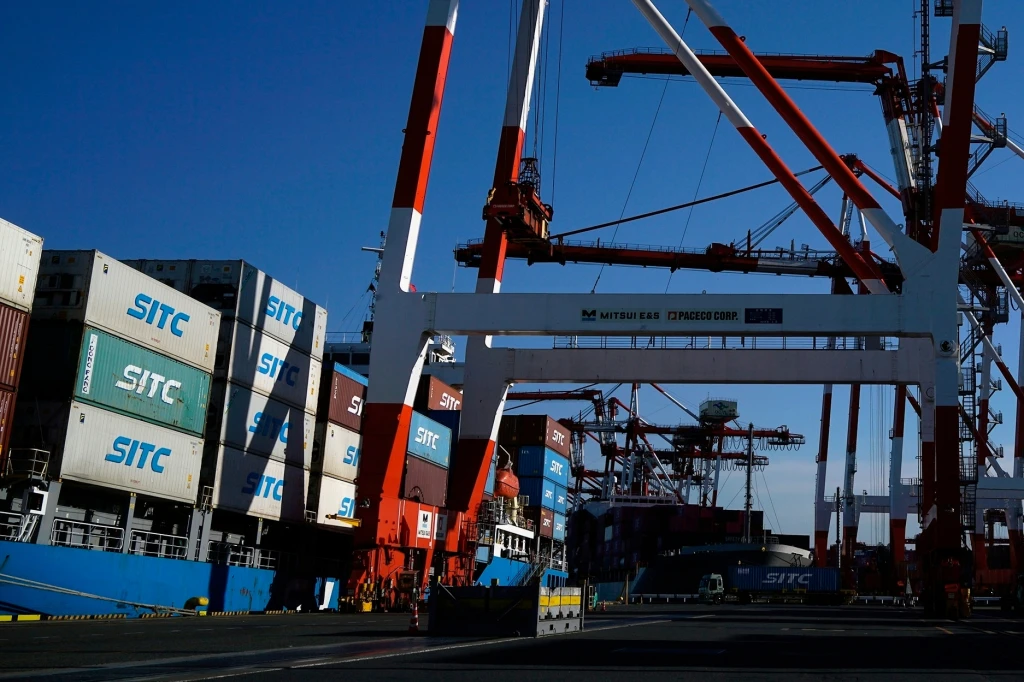
Japan recorded a large trade deficit in the first half of its financial year as rising oil prices pushed up the cost of imports. Government figures released on Wednesday, October 21, showed that the deficit reached 2.81 trillion yen, or about $17.8 billion, for the April to September period. Both exports and imports reached record levels, but the increase in the value of goods bought from abroad was greater. The figures show how the conflict in the Middle East is affecting a country that depends heavily on imported energy.
Japan’s exports rose 18.4% from the same period a year earlier to 63.5 trillion yen. Imports increased by 20.4% to 66.3 trillion yen. The rise in imports was partly driven by the higher cost of oil, which is used in transport, industry, power generation, and the production of many everyday goods. When energy prices rise, companies must spend more to make and move products. These costs can affect profits and may later lead to higher prices for consumers.
The figures also showed that Japan recorded a trade deficit of 536.6 billion yen in September alone. It was the fifth month in a row that the country had reported a monthly deficit. This continued pressure has raised concern about the effect of energy costs on the wider economy. Japan has a large industrial base, but it has few domestic energy resources compared with its needs. That leaves the country exposed when global oil and gas prices rise sharply.
The conflict in the Middle East has made the problem more serious. Japan has relied on oil shipments that pass through the Strait of Hormuz, a key route for energy supplies from the Gulf. The waterway has faced severe disruption, forcing buyers to look for other ways to bring fuel into the country. Alternative routes can take longer and cost more. Even when oil remains available, the added cost of transport and insurance can increase the final price paid by importers.
Brent crude, the main global oil price measure, has risen from around $70 a barrel in February to about $110. That increase has put pressure on countries that import most of their fuel. Higher energy prices can affect shipping, plastics, chemicals, farming, and factory production. Companies may respond by raising prices, reducing investment, or seeking savings in other areas. For households, the impact can appear in the cost of travel, food, electricity, and other basic goods.
A weaker yen has added to Japan’s import bill. The currency has been trading around 150 yen to the US dollar, making goods priced in dollars more expensive for Japanese buyers. Oil is commonly traded in dollars, so a weaker local currency can increase the cost even when the dollar price does not change. The combination of expensive energy and a weak yen creates a difficult challenge for the government and businesses trying to keep prices under control.
The Bank of Japan has raised interest rates to 1.25%, the highest level in 31 years, in an effort to strengthen the currency and control inflation. Higher rates can help support the yen by making Japanese assets more attractive to investors. But they can also increase borrowing costs for households and firms. Businesses may delay plans to expand, while people with loans can face higher payments. Policymakers must balance the need to contain inflation against the risk of slowing economic activity.
Prime Minister Sanae Takaichi’s government has also proposed cutting the food consumption tax from 8% to 1% to help low-income households. The proposal was under debate in parliament. A lower tax could reduce some costs for consumers, but it may also reduce government revenue. The final impact will depend on how the plan is designed, how long it lasts, and whether shops pass the full tax cut on to customers.
Japan’s trade figures point to a wider problem facing energy-importing countries. Strong exports can support growth, but higher import costs can still widen the trade gap. If oil prices remain high, Japanese companies may face continued pressure on profits and consumers may struggle with rising living costs. The government will need to watch energy supplies, currency movements, and inflation closely. A lasting easing of the pressure will depend in part on more stable oil markets and safer routes for global trade.
