

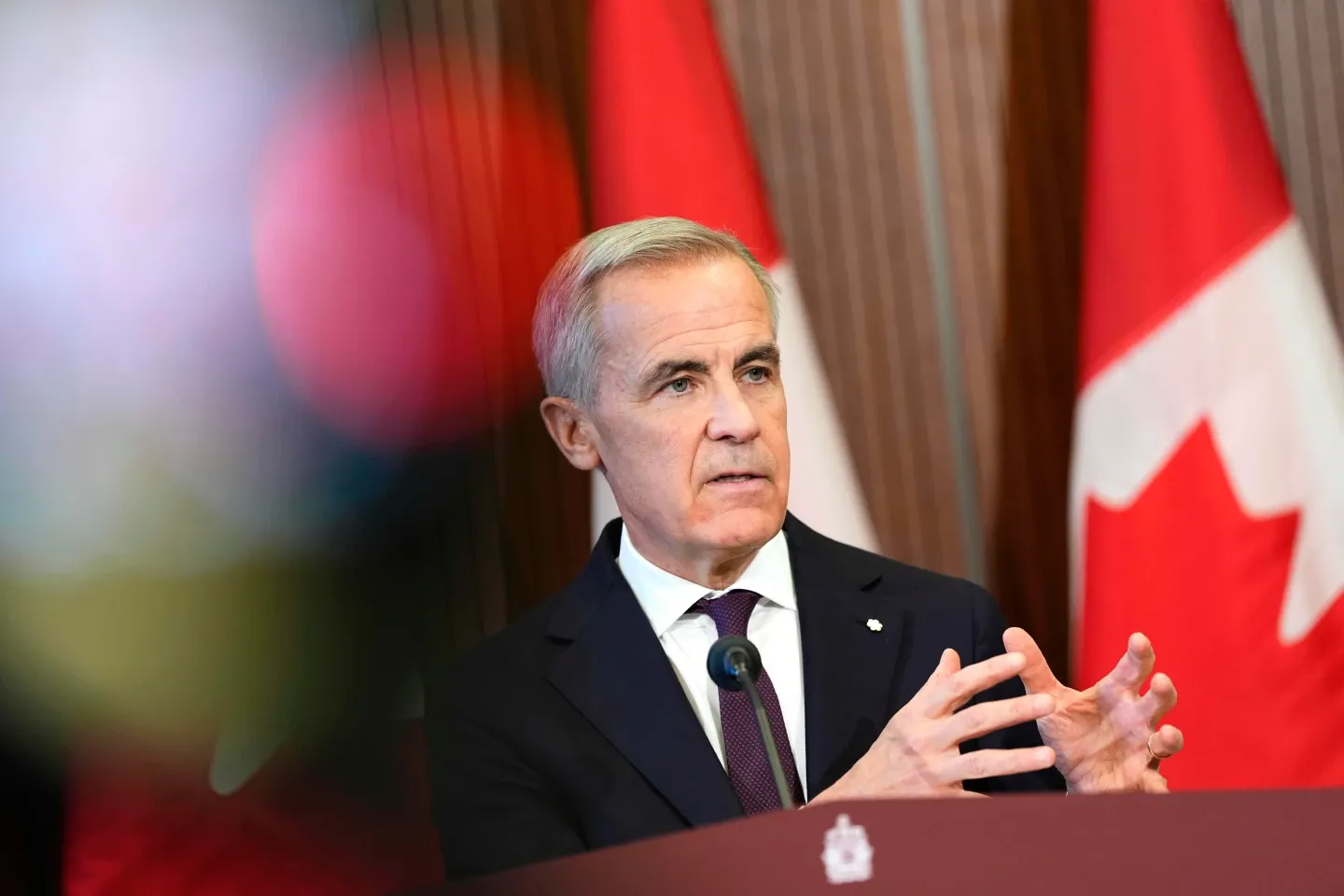
Canadian Prime Minister Mark Carney has criticised US tariffs, arguing that the measures have increased costs for American families and disrupted a long-standing economic relationship. His comments came as Canada announced new support for Ontario’s manufacturing sector, including industries linked to steel and automobile production.
The dispute reflects the close connections between the Canadian and American economies. Companies on both sides of the border rely on shared supply chains, with parts and materials often crossing the border several times before a finished product reaches consumers. Tariffs can increase the cost of those transactions and force businesses to reconsider where they produce or purchase goods.
Carney announced an 8.7 billion Canadian dollar support plan for Ontario’s manufacturing industries. The programme is intended to help companies respond to trade pressure and protect jobs. Ontario is particularly exposed because its automotive and steel sectors have deep links with American manufacturers.
US tariffs have also created uncertainty for businesses that need to make long-term investment decisions. Companies may delay expansion or shift production if they cannot predict the cost of exporting goods. Smaller firms can be especially vulnerable because they have fewer resources to absorb sudden increases in expenses.
The disagreement has become more than an economic issue. The US Embassy in Canada accused Canadian politicians of interference in American politics, while Canadian officials rejected the allegations. The dispute illustrates how trade measures can spill into wider diplomatic tensions.
Carney has argued that Canada should reduce its dependence on the United States by expanding exports to other markets. Diversification could help protect Canadian businesses from future trade disruptions, although building new commercial relationships takes time and investment.
For American consumers, tariffs can raise prices when businesses pass higher costs along the supply chain. For Canadian workers, the effects may appear through production cuts or uncertainty about future orders. Both countries therefore face economic consequences if tensions continue.
The next stage will depend on government negotiations and the policies each side chooses. Businesses will want clear rules and predictable costs, while workers and consumers will watch whether the dispute affects employment and prices. The episode shows how closely linked economies can be harmed when trade becomes a source of political conflict.
