

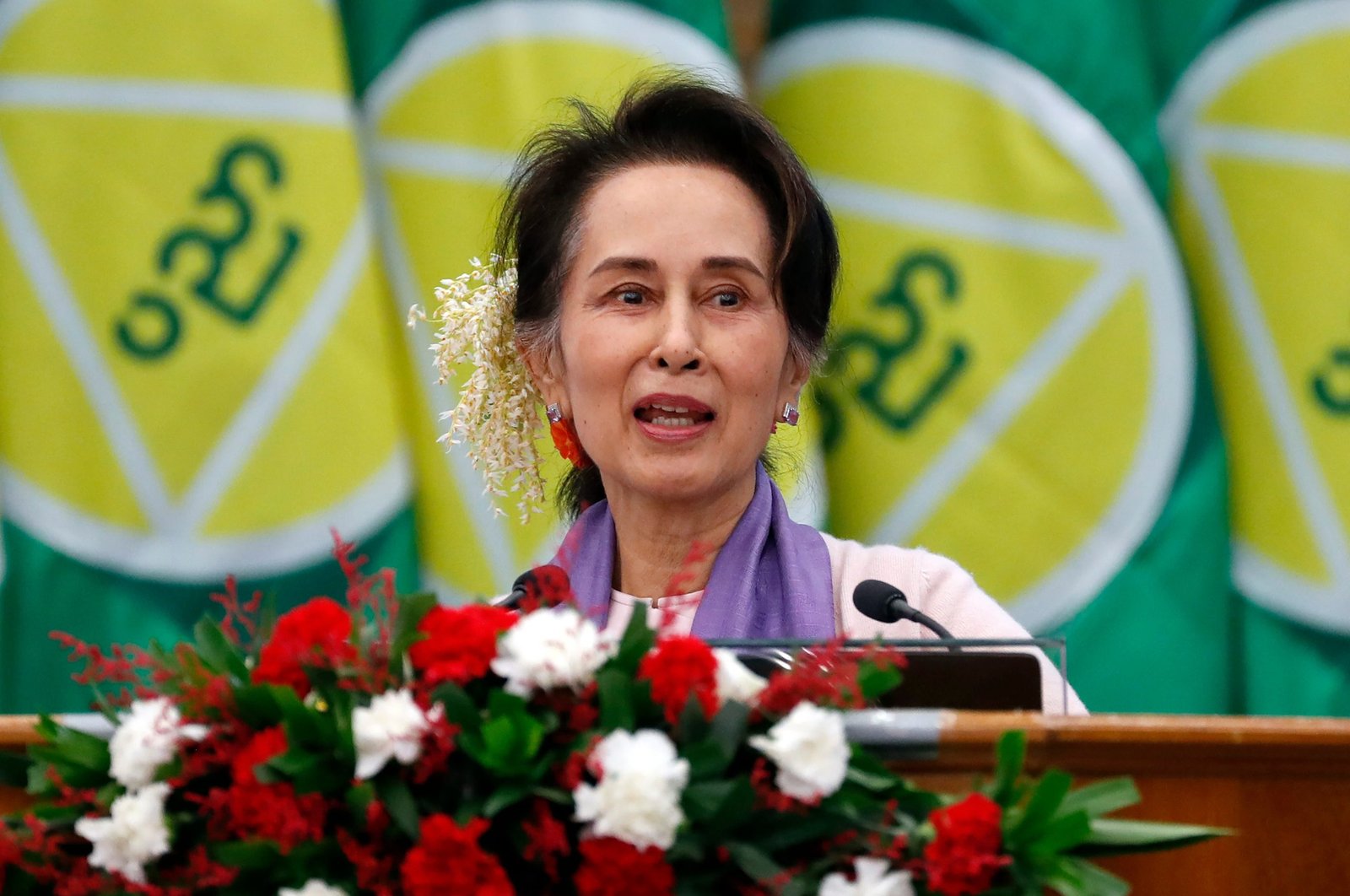
Rare photographs of Myanmar’s detained former leader Aung San Suu Kyi have drawn attention after being released in circumstances that critics say may be intended to improve the country’s international image. The images reportedly followed a gift from King Charles, creating renewed discussion about her treatment and the political purpose behind the public display.
Suu Kyi has been a central figure in Myanmar’s modern political history. She became internationally known for her opposition to military rule and later served as the country’s civilian leader. Her political career has also been marked by controversy, including criticism over the treatment of the Rohingya Muslim minority during her time in power.
Myanmar’s military seized power in a coup in 2021, removing the elected government and detaining Suu Kyi. Since then, the country has faced continued political conflict, arrests and widespread concerns about human rights. Her detention has limited public access to information about her condition and circumstances.
The release of photographs can therefore carry political meaning. Images may be used to suggest that a detained figure is being treated appropriately, while critics may argue that photographs provide little information about a person’s actual freedom, health or access to legal support. The context in which images are released is important when assessing what they can and cannot show.
The reported gift from King Charles has also drawn attention because royal gestures can have symbolic value in international relations. However, the appearance of photographs does not by itself establish that there has been a change in Myanmar’s political situation or in the conditions of Suu Kyi’s detention.
For people following Myanmar, the central questions remain whether political prisoners will receive fair treatment, whether independent observers can verify conditions and whether the country can move towards a political settlement. These issues require evidence beyond a single public image.
The episode highlights the role of photographs in shaping public understanding. In places where access is restricted, images can become important sources of information, but they can also be carefully selected to support a particular message. Journalists and observers must therefore consider who released the images, what information accompanies them and what remains unknown.
Suu Kyi’s situation continues to attract international attention because it reflects broader questions about political rights and military power in Myanmar. The photographs may prompt renewed interest, but they do not resolve the uncertainty surrounding her detention or the country’s wider crisis.
