

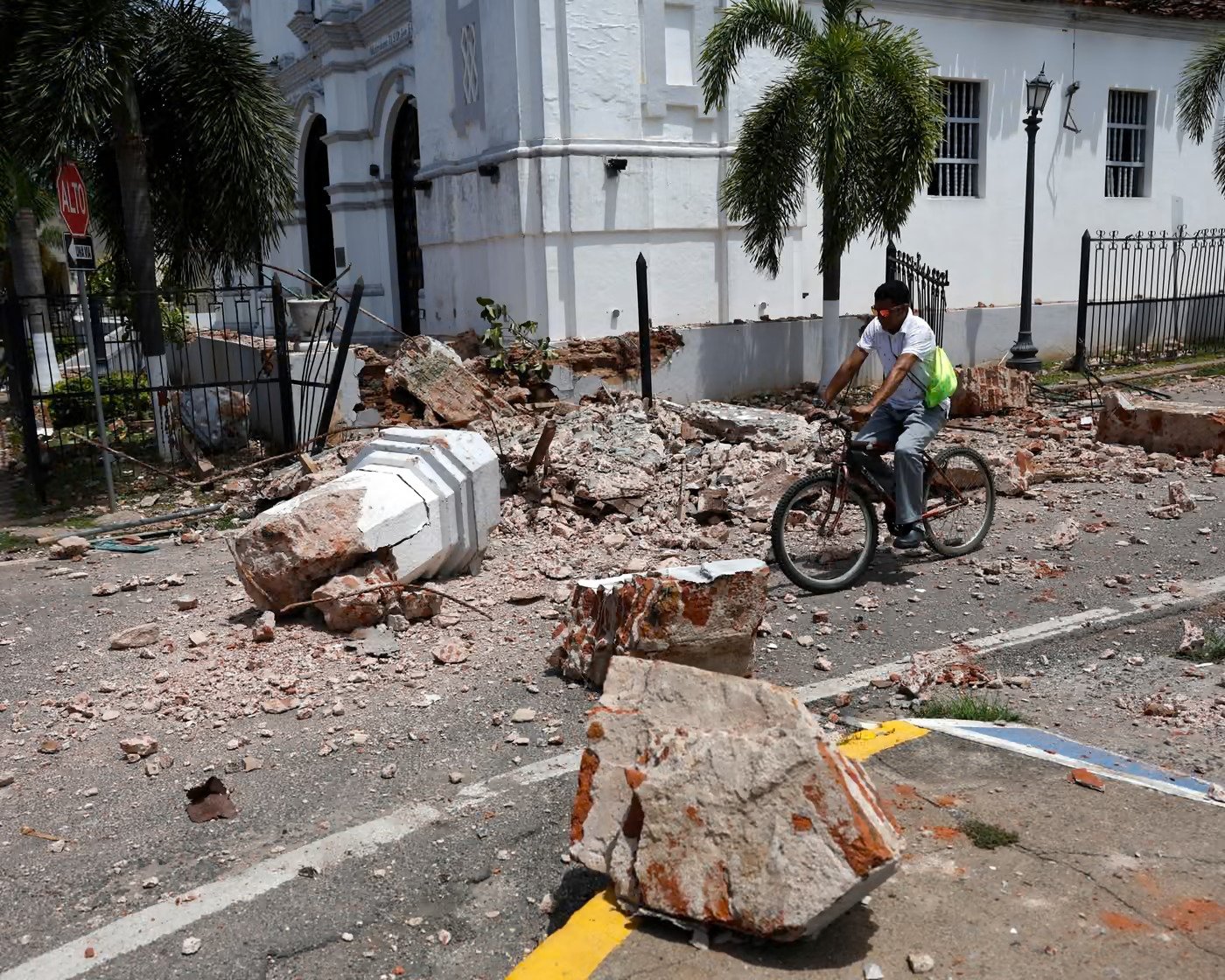
Panama has declared a state of emergency after powerful earthquakes damaged buildings and triggered more than 100 aftershocks. The quakes struck on Friday, October 9, and continued to affect communities over the following days. Residents have faced damaged homes, disrupted services, and uncertainty as officials inspect buildings and assess the risk of further tremors.
The main earthquakes measured 7.7 and 6.6 in magnitude. The shaking affected communities across the country, with central provinces among the hardest hit. Officials reported damage to hundreds of homes and schools, as well as hotels, churches, and bridges. Historic buildings were also damaged, including a church that partly collapsed. Some residents were moved from unsafe areas while engineers checked structures for signs of further danger.
The number of reported deaths remained low compared with the scale of the damage, but dozens of people were injured. Authorities said strict building rules may have helped limit the loss of life. However, the damage to houses, roads, and public buildings has created practical problems for families who need safe places to stay and reliable access to essential services.
The earthquake also disrupted transport. Tocumen International Airport temporarily suspended operations, leaving some travellers waiting for flights to resume. Hospitals and water facilities were among the infrastructure affected by the shaking. The Panama Canal remained operational, an important point for global shipping and the country’s economy.
Repeated aftershocks have added to public anxiety. Even when a major earthquake has passed, smaller tremors can cause further damage to weakened buildings. Officials have urged people to follow safety guidance and avoid entering structures that may be unstable. Emergency teams must also balance the need to inspect damaged areas with the risk of further movement.
The government’s emergency declaration is intended to support the response and help authorities direct resources to affected communities. Assistance from other countries has also been offered. Recovery will require inspections, repairs, and support for residents who have lost access to homes or basic services.
The situation shows how a major natural disaster can affect everyday life well beyond the initial shaking. Schools may need repairs before classes can resume, families may need temporary housing, and businesses may face delays while roads and buildings are checked. The next stage will depend on the speed of inspections, the availability of support, and whether aftershocks continue to pose a risk.
