

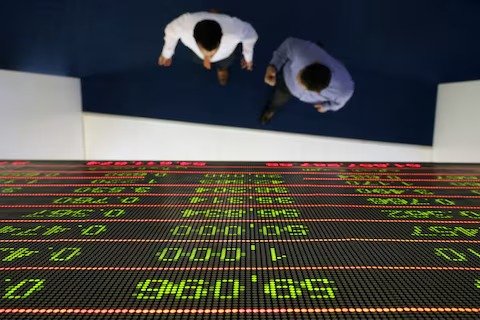
Saudi stocks fell on Sunday after a missile attack on Riyadh’s international airport killed at least 12 people and injured more than 300. The attack was one of the deadliest in the kingdom in more than a decade and raised fears that the conflict involving Iran-backed Houthi forces could spread further. Investors reacted to the security risks by selling shares in several major Saudi companies.
The country’s main stock index dropped about 1%, with many listed firms trading lower. Saudi National Bank shares fell, while oil giant Saudi Aramco also recorded a decline. Qatar’s main stock index fell by a similar amount, showing that concern over regional security was affecting financial markets beyond Saudi Arabia.
The airport attack has raised questions about the safety of transport routes and major public events. Saudi Arabia is due to host important energy and investment conferences this month. Organisers have said the events will proceed, but the attacks have led to travel concerns and changes to some airline services. Business leaders and government officials will be watching whether security conditions allow international visitors to attend.
The conflict has already placed pressure on global energy supplies. The Strait of Hormuz remains a key concern because it carries a large share of the world’s oil shipments. With that route disrupted, Saudi Arabia has relied more heavily on other transport paths. Further attacks on airports, ports, or shipping routes could add to the difficulty of moving fuel and goods.
US President Donald Trump has said Washington is considering joining Saudi strikes against the Houthis. Saudi and Yemeni government forces have also reported attacks on Houthi-held areas. The Houthis have claimed that some strikes caused civilian deaths, though those claims have not been independently verified. Any wider military involvement could make the regional situation more uncertain.
For investors, the main concern is whether the violence will disrupt business activity for an extended period. A short market fall does not necessarily mean a long-term downturn, but repeated attacks can affect confidence and raise costs for travel, insurance, and trade. Companies may delay investment if they cannot predict the security environment.
Saudi markets will continue to respond to developments in the conflict and any signs of further escalation. A reduction in attacks could help restore confidence, while new threats may keep pressure on stocks. The performance of the market will depend not only on oil prices but also on whether businesses can operate safely and maintain access to regional and international customers.
