

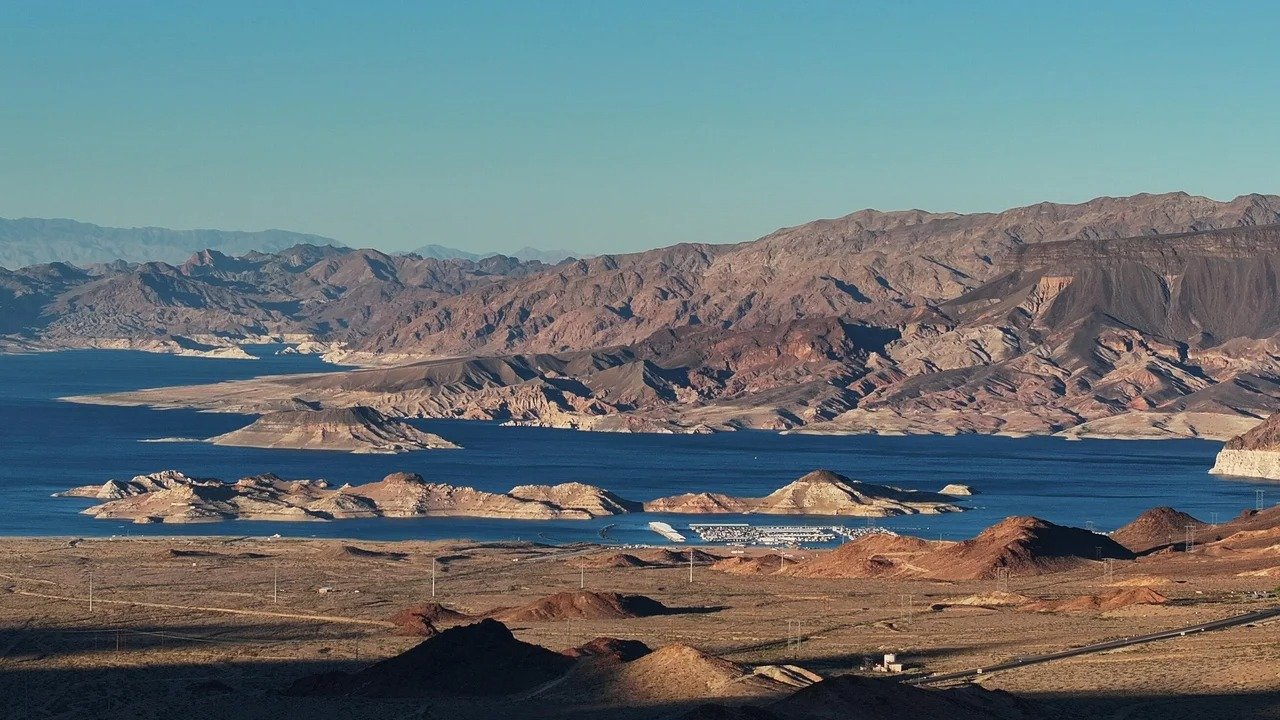
Federal climate scientists announced that NOAA confirms hottest US summer on record spanning June through August this year, with an average national temperature reaching 23.6 degrees Celsius, surpassing even the historically severe Dust Bowl era temperatures from the 1930s.
This announcement from the National Oceanic and Atmospheric Administration adds significant weight to ongoing conversations about how communities across the country might need to adapt daily life, infrastructure, and seasonal planning in response to increasingly extreme summer temperature patterns.
The comparison to the Dust Bowl era carries particular historical significance, given that period’s association with severe agricultural disruption and population displacement, suggesting current temperature trends have reached levels not experienced during one of America’s most challenging historical climate episodes.
This record follows a global pattern, with the separate Copernicus Climate Change Service having recently reported that August 2026 marked the hottest month globally since measurements began, exceeding the previous record set just a few years earlier in 2023.
Practical implications of sustained extreme heat extend across numerous aspects of daily life, from increased energy demands for cooling to potential health risks for vulnerable populations, agricultural challenges, and infrastructure stress affecting everything from transportation to power grid reliability.
Public health officials have noted increased attention toward heat related illness prevention during recent summer months, with community cooling centers, hydration awareness campaigns, and modified outdoor activity guidelines becoming increasingly common responses to sustained extreme temperature conditions.
Agricultural communities have reported significant challenges connected to this extreme heat pattern, with certain crops experiencing reduced yields or quality issues connected to sustained high temperatures during critical growing season periods throughout affected farming regions nationwide.
Energy infrastructure has faced substantial strain during this record breaking summer, with utility companies managing peak demand periods that have tested grid capacity in various regions, occasionally leading to localized service disruptions during the most extreme temperature periods.
Climate scientists continue emphasizing that this record represents part of a broader, consistent pattern of temperature increases rather than an isolated seasonal anomaly, reinforcing scientific consensus regarding accelerating climate trends observed across multiple recent years of data collection.
Community adaptation efforts have expanded in various regions, with infrastructure planning increasingly incorporating heat resilience considerations, from updated building codes to expanded green space initiatives designed to help mitigate urban heat effects during increasingly common extreme temperature periods.
As this record setting summer concludes, attention turns toward how communities, policymakers, and individuals might continue adapting to increasingly extreme seasonal temperature patterns. This data point adds significant weight to ongoing discussions about climate resilience planning across the country.
