

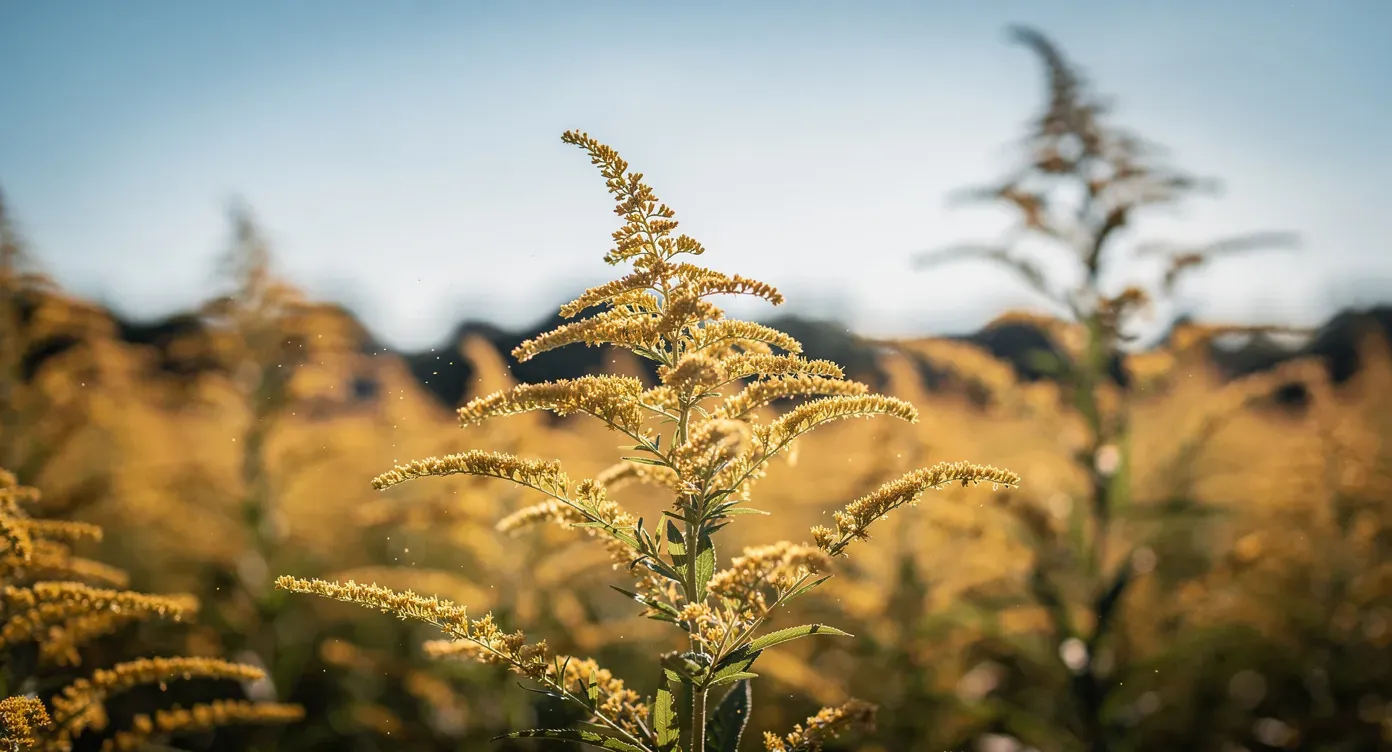
Allergy sufferers across much of the country are experiencing the effects as ragweed pollen peaks allergy season conditions intensify this month, with health experts offering guidance for managing symptoms during this particularly challenging transitional period between summer and autumn.
Ragweed represents one of the most significant allergy triggers during late summer and early autumn months, with a single plant capable of producing enormous quantities of pollen that can travel substantial distances, affecting individuals even far from the plants themselves.
Symptoms connected to ragweed allergies typically include sneezing, congestion, itchy or watery eyes, and in some cases more significant respiratory difficulty, particularly among individuals with underlying asthma or other respiratory conditions that pollen exposure can exacerbate.
Weather patterns significantly influence ragweed pollen levels, with dry, windy conditions typically increasing pollen distribution and associated allergy symptoms, while rain can temporarily reduce airborne pollen concentrations before levels rebound once conditions dry out again.
Healthcare providers recommend various management strategies for ragweed allergy sufferers, including monitoring local pollen forecasts to plan outdoor activities accordingly, keeping windows closed during peak pollen periods, and considering appropriate over the counter or prescription antihistamine medications.
Climate patterns have reportedly extended ragweed pollen seasons in various regions over recent years, with some researchers connecting longer growing seasons and shifting frost timing to changing climate conditions that allow ragweed plants extended periods for pollen production.
Immunotherapy treatments, including allergy shots or sublingual tablets, offer longer term management options for individuals with significant ragweed allergies, potentially reducing symptom severity over time through gradual, controlled exposure that helps the immune system develop tolerance.
Indoor air quality considerations become particularly relevant during peak ragweed season, with air purifiers and appropriate air conditioning filter maintenance helping reduce indoor pollen exposure for sensitive individuals spending significant time inside their homes.
Children with ragweed allergies may require particular attention during this season, given the potential impact on school attendance and outdoor activity participation, making communication with schools about necessary accommodations potentially valuable for affected families.
Regional variation in ragweed pollen intensity means allergy sufferers in different parts of the country may experience considerably different symptom severity, with local pollen count monitoring services providing valuable information for those managing seasonal allergy symptoms.
As ragweed pollen levels remain elevated through the coming weeks, allergy sufferers are encouraged to work with healthcare providers to develop effective management strategies. Understanding personal triggers and appropriate treatment options can significantly improve quality of life during this challenging seasonal transition.
