

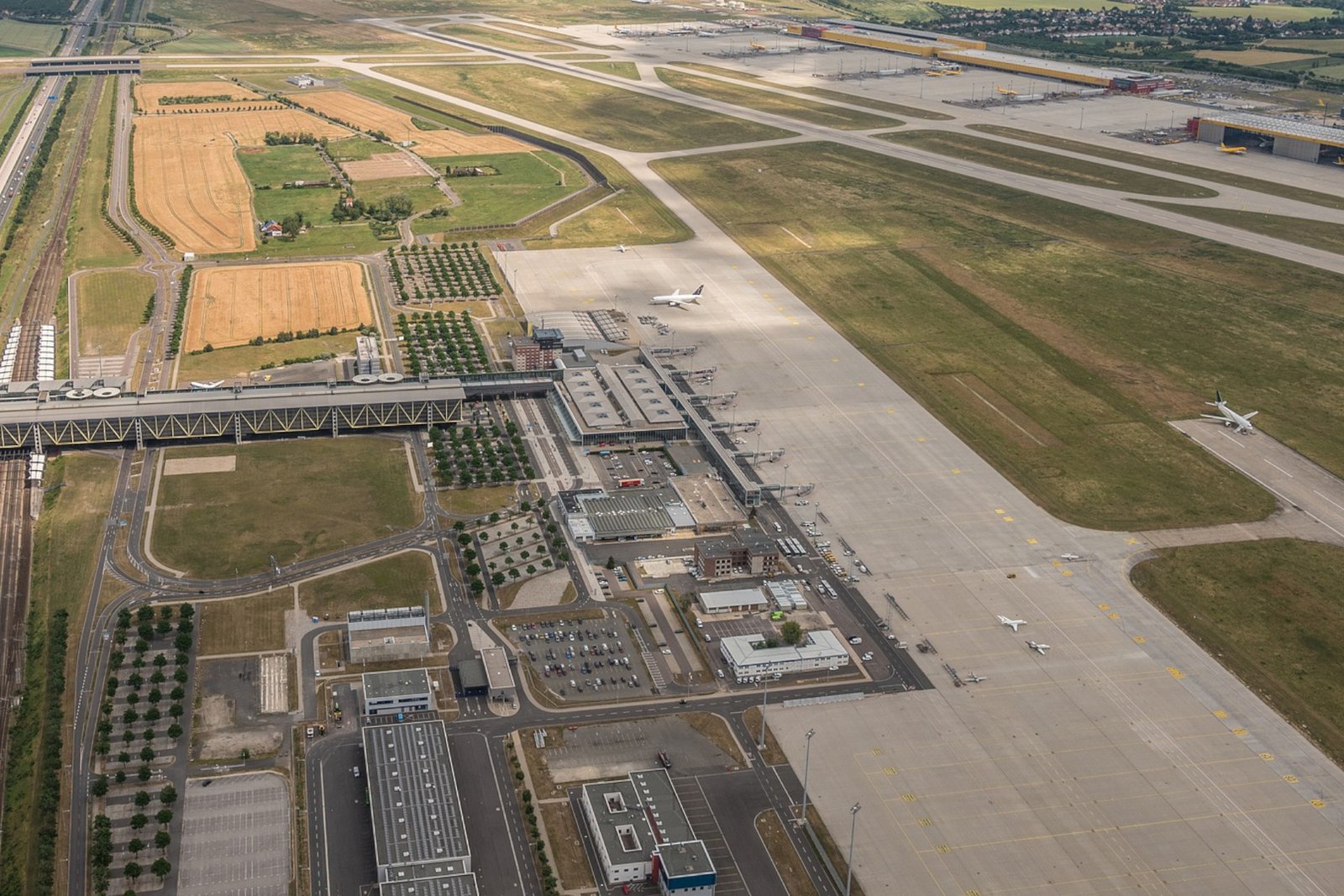
Tension between Berlin and Moscow has escalated sharply after Germany accuses Russia drone involvement in a failed explosive laden attack on Leipzig airport last month, a claim Russian President Vladimir Putin has firmly rejected as fabricated evidence.
German Interior Minister Alexander Dobrindt told reporters that the attempted attack, which took place on August 4 at the eastern German airport, fit a known pattern of what he described as Russian hybrid operations across Europe. He said investigators had gathered proof that agents controlling the drone were acting on behalf of Russian state entities.
Standing alongside Foreign Minister Johann Wadephul, Dobrindt said police investigations, established patterns of similar offenses, and intelligence findings together established Russian responsibility for the attempted attack. Germany responded by summoning Russia’s ambassador and announcing a series of diplomatic countermeasures.
Those measures include closing the Russian Consulate General in Bonn beginning September 18 and terminating the lease on the Russian House, a cultural gathering space in Berlin. Germany also plans to tighten border controls for Russian nationals and add more individuals to a European Union sanctions list.
Putin rejected the accusations firmly, speaking at a news conference held on the sidelines of a major regional summit. He suggested Berlin had fabricated the evidence, calling Germany’s response a serious mistake that runs counter to the interests of the German people. He drew comparisons to earlier accusations involving European energy infrastructure that were later found to have different origins.
Russian Foreign Ministry spokeswoman Maria Zakharova said Moscow would respond to what she described as Berlin’s anti Russian action, according to Russian state media. She did not immediately specify what form that response might take.
The timing of this dispute carries particular political significance within Germany. State elections in the eastern province of Saxony Anhalt are scheduled for later this month, with a far right party hoping to make gains partly by capitalizing on public weariness surrounding the ongoing war and Germany’s continued support for Ukraine.
Putin directly referenced this domestic political context, suggesting Berlin was using the threat of an aggressive Russia to distract from economic troubles and declining public confidence in the current government. He pointed to factory closures and rising living costs as evidence of deeper problems he claimed Germany’s leadership was attempting to deflect attention from.
Germany’s foreign minister firmly rejected these characterizations, denying that the timing of the announcement was linked to any electoral strategy. He argued that identifying Russian involvement naturally becomes part of political debate in regions where elections are approaching, given the war’s continued relevance to voters.
This exchange adds to a broader pattern of escalating rhetoric between Germany and Russia throughout the ongoing conflict, with incidents involving suspected sabotage or hybrid attacks becoming an increasingly common feature of the tension between the two nations.
As both sides continue trading accusations, diplomatic relations between Berlin and Moscow show few signs of improvement in the near term. With upcoming elections in Germany and continued fighting in Ukraine, this latest dispute is likely to remain a significant point of friction between the two governments for the foreseeable future.
