

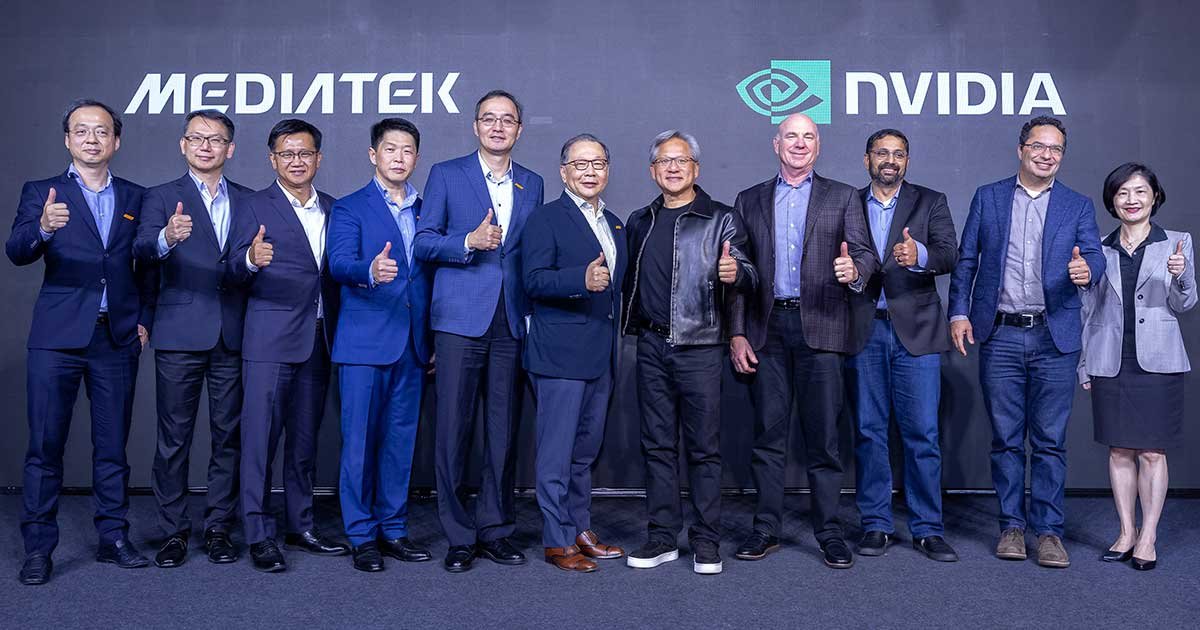
Shares in the chip designer jumped 10 percent this week following news of a major MediaTek Nvidia AI deal worth roughly 3.5 billion dollars. The partnership marks a significant expansion of cooperation between the two companies in the fast growing artificial intelligence chip market.
The agreement brings together MediaTek’s chip design expertise with Nvidia’s leading position in artificial intelligence hardware, aiming to accelerate development of next generation processors optimized for AI workloads. Investors reacted enthusiastically to the news, sending shares sharply higher in trading following the announcement.
This deal reflects the intense competition currently underway among major technology companies racing to secure their position in the artificial intelligence supply chain. As demand for AI capable hardware continues to grow, partnerships like this one have become increasingly common among chip designers and manufacturers.
Industry analysts note that combining resources allows both companies to move faster than they might independently, particularly in a market where technological advantages can shift quickly. Nvidia’s dominant position in AI focused chips makes it an especially valuable partner for companies looking to expand their presence in this space.
The scale of the deal signals just how much value investors and industry leaders place on securing strong positions within the AI hardware ecosystem. Chip designers without direct access to leading AI technology risk falling behind as demand for these specialized processors continues to accelerate.
This announcement comes during a particularly active period for the semiconductor industry, with a major international trade show currently underway in Taiwan drawing more than 100,000 industry professionals from dozens of countries. Global spending on manufacturing equipment for chip production has also reached record levels this year.
For consumers, deals like this one often translate into faster, more capable devices over time, as advanced AI chips find their way into smartphones, laptops, and other everyday electronics. The practical benefits of these partnerships typically take time to reach store shelves, but the underlying technology investment often pays off in future product generations.
Competing chip companies are likely watching this partnership closely, as similar collaborations have become an increasingly common strategy for keeping pace with rapid advances in artificial intelligence technology. Companies that fail to secure strong partnerships risk losing ground in an intensely competitive market.
Regulatory scrutiny of large technology partnerships has increased in recent years, though deals like this one, focused primarily on technology collaboration rather than full acquisition, typically face less intensive review compared to outright mergers between major companies.
Global competition in semiconductor manufacturing continues to intensify as well, with multiple countries investing heavily in domestic chip production capabilities. This broader competitive backdrop adds further context to why partnerships like this one carry such significant weight for investors and industry watchers alike.
As the deal moves toward implementation, attention will turn to how quickly the partnership translates into new products and technologies reaching the market. For now, this agreement stands as another example of how deeply intertwined major technology companies have become in the race to lead the artificial intelligence industry.
