

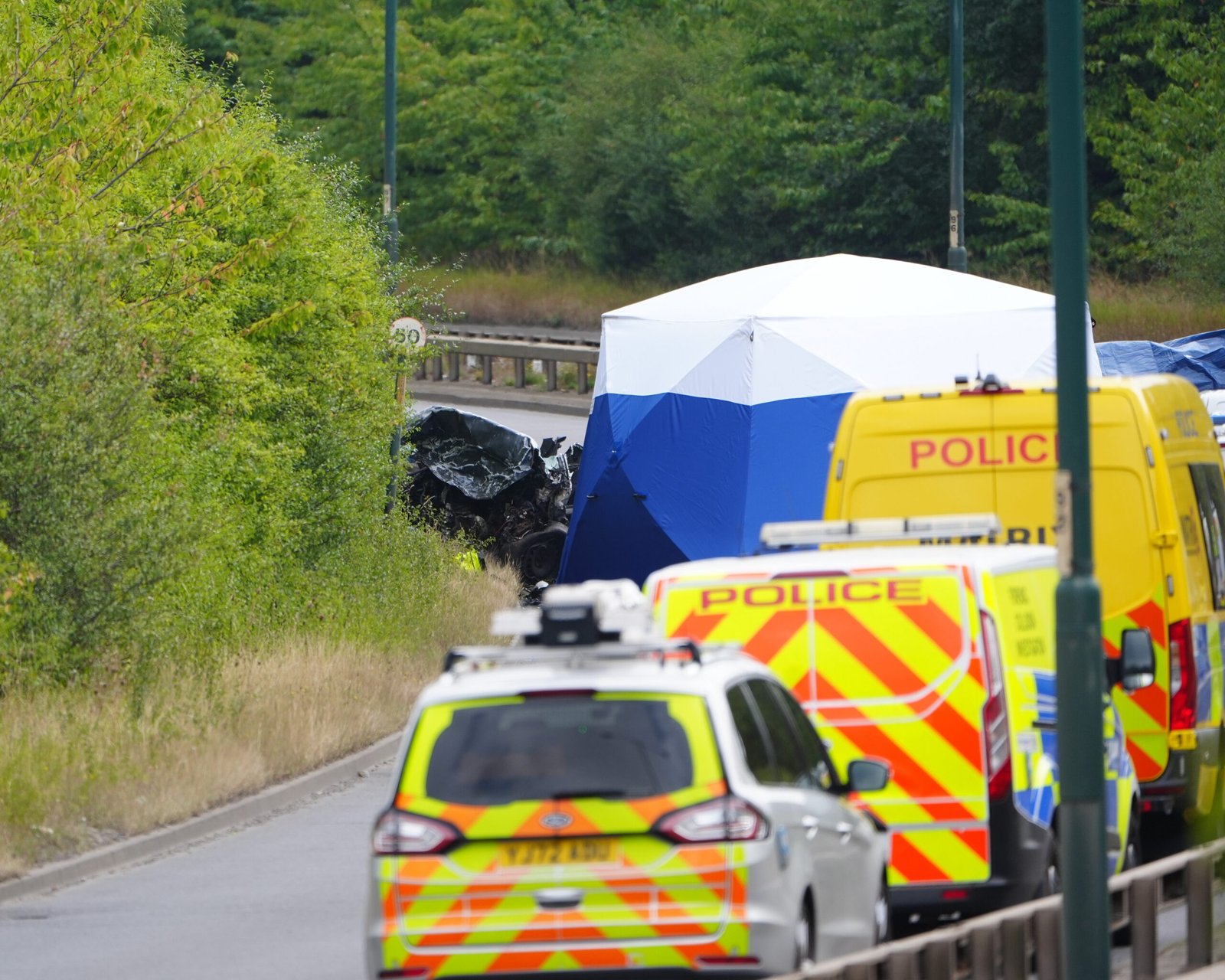
Calls for tougher young driver rules are growing across the UK after a series of deadly road crashes. The debate has focused on graduated driving licences. Such licences place extra limits on new drivers. The limits can cover night driving, alcohol use and young passengers.
Supporters say the system can cut deaths and serious injuries. Critics worry that tough rules may limit young people’s freedom.
The issue gained fresh attention on August 25 after recent crashes raised concern over dangerous driving trends. Some young drivers have posted risky road videos online. The clips can show high speeds and wrong-way driving.
The figures behind the debate are stark. In 2024, drivers aged 17 to 24 were linked to 20% of crashes that caused death or serious injury. Yet this group held only 6% of driving licences.
Young men face an even higher risk. Among people aged 17 to 29 who were killed or badly hurt, about three quarters were male.
Young drivers can also put other people at risk. Half of those killed or badly hurt in crashes with a young driver are other road users. Another 21% are passengers in the young driver’s car.
The UK government has already released a new road safety plan. The plan includes targets to reduce road deaths. It also looks at the time between the theory test and the practical test.
But it does not include a full graduated licence system.
That has upset road safety campaigners. They say new drivers need more time and limits before they gain full freedom on the road.
Northern Ireland plans to bring in a form of graduated licensing in October. Drivers under 24 will face limits on carrying young passengers late at night during their first months after passing the test.
Canada and some US states already use similar systems. Data cited in the UK debate says Canada has seen a large fall in teenage driver deaths since its system began in the 1990s.
The debate is also linked to social media. Police and ministers have raised concern about videos that praise dangerous driving.
The government has backed stronger action against social media posts that celebrate such acts. The aim is to stop risky driving from becoming online entertainment.
For families, the issue is about more than young drivers. Parents also want safer roads for children, passengers and other road users.
For young people, the debate is more complex. Many depend on cars for work, study and family life. A new licence system could add limits at a key stage of adult life.
The government now faces pressure to balance both concerns.
The road safety debate is likely to continue as ministers review public views. For campaigners, the message is clear. New drivers need more support and more time to build safe habits.
The August 25 debate puts young drivers back at the center of UK road policy.
