

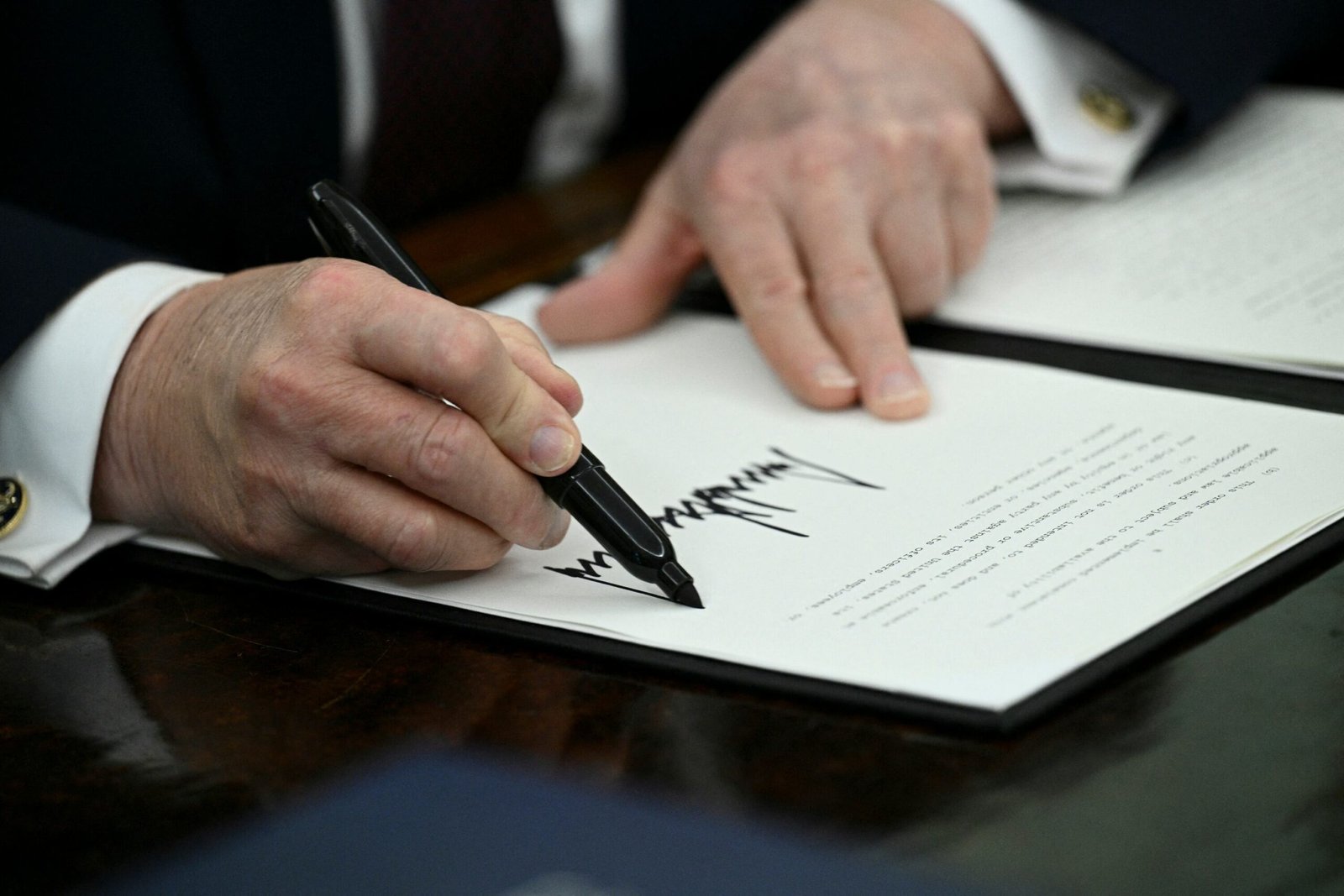
The US Supreme Court has cleared the way for part of President Donald Trump’s mail voting order to move forward. The ruling came on Monday, August 24, one day before the latest news cycle on August 25.
The case is tied to Trump’s plan to change how mail ballots are handled in federal elections. The order has faced legal challenges from states and voting groups. The court did not end all legal fights over the plan.
The ruling was 6-3. The court allowed parts of the order to take effect while the wider case continues. The move could shape voting rules before the November midterm elections.
Mail voting has become a key part of US elections. Millions of people use it each year. The process also varies by state. Some states allow broad use of mail ballots. Others have tighter rules.
Trump’s order seeks more control over how mail ballots are handled. Supporters say the plan can make election rules more clear. Critics say it could make voting harder for some people.
The Supreme Court ruling does not mean all parts of the order are now final. More legal action is expected. Lower courts can still hear claims tied to the order. State officials also have a role in how election rules are applied.
The timing is important. The 2026 midterms are now moving into a key stage. Parties are choosing candidates. Voters are watching changes to election rules. State election offices are also preparing for the vote.
The case shows how much power courts can have over election rules. It also shows the growing fight over mail voting in the US.
Voting by mail has been used for many years. It became even more common during the Covid-19 pandemic. Since then, rules around mail ballots have become a major political issue.
The Trump order has raised questions about federal power over elections. Under the US system, states play a large role in running elections. The federal government also has powers linked to federal races.
That balance is now under legal review.
The Supreme Court’s decision gives the Trump administration room to act. But it does not settle every question raised by the case. The final result may come later.
For voters, the key issue is simple. Rules may differ from one state to another. People who plan to vote by mail should check the rules in their own state.
Election officials are expected to keep issuing guidance as the legal case develops. More court action could come before the midterms.
The ruling is therefore an important step, not the end of the dispute. It puts mail voting back at the center of the US election debate as the 2026 campaign grows.
