

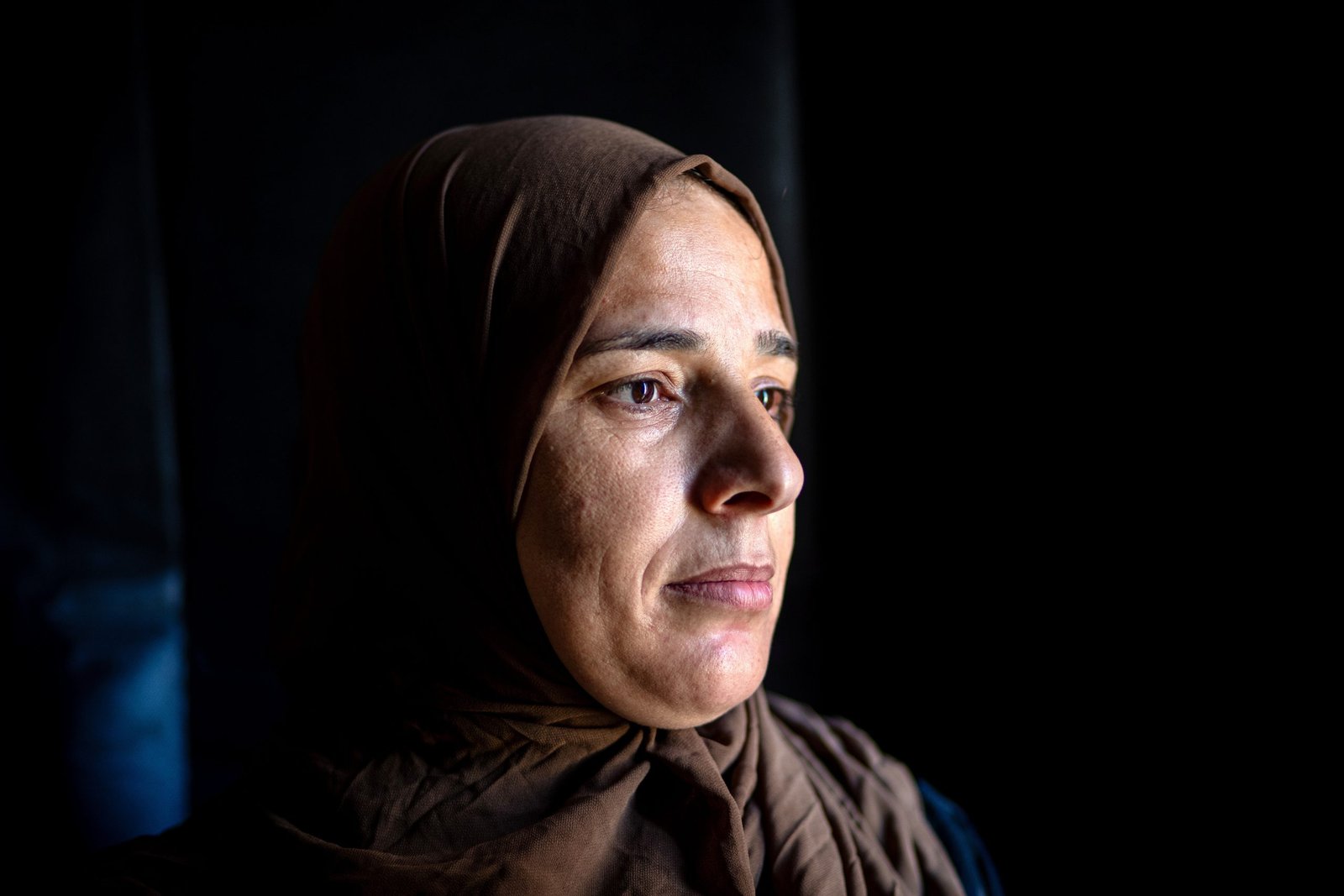
For many Palestinian families, leaving a war zone has not meant returning to a normal life. Some relatives have reached safety in other countries, while spouses, children or parents remain in Gaza. The distance has created emotional pain, financial pressure and uncertainty about whether families will be able to live together again.
One displaced mother, Wijdan Abu Matar, left Gaza with her eight children for medical treatment after members of the family were injured in an Israeli strike. Her husband remained behind because of his own injuries. Although she managed to bring her children together in Egypt, the family is still separated from their father, who struggles with limited mobility and unreliable communications.
The family’s experience shows how displacement can continue long after people cross a border. Medical care, transport and schooling all cost money, while regular income may disappear when a family is forced to leave home. Parents must try to support children while worrying about relatives who remain in dangerous conditions.
Other couples have been separated for years. Some people left Gaza to seek safety or work abroad but were unable to bring their partners with them. Others planned weddings before the war, only to see homes destroyed and travel routes closed. Phone calls and video messages can offer brief comfort, but unreliable internet and the fear of new attacks make contact difficult.
For people living outside Gaza, safety may come with guilt. They may have food, shelter and access to services, yet feel unable to enjoy those things while loved ones remain in danger. Some continue to search for legal routes to reunite with family members, while others hope that education or medical treatment will provide a way to leave.
Children face their own challenges. Those who have experienced injury or lost relatives may need ongoing medical care and emotional support. Displacement can interrupt school, friendships and daily routines. Parents often have to make difficult choices about housing, transport and treatment when their resources are limited.
The obstacles are not only personal. Travel restrictions, damaged infrastructure and the uncertain security situation can prevent families from reuniting even when they have the money and documents needed to travel. Humanitarian organisations can offer support, but they cannot guarantee that relatives will be allowed to cross borders or return home.
Family separation is one of the lasting effects of war that can receive less attention than front-line fighting. Yet it shapes the lives of people for years, affecting mental health, income and children’s futures. For families still waiting to reunite, the most important hope is that safe travel and stable living conditions will eventually become possible.
