

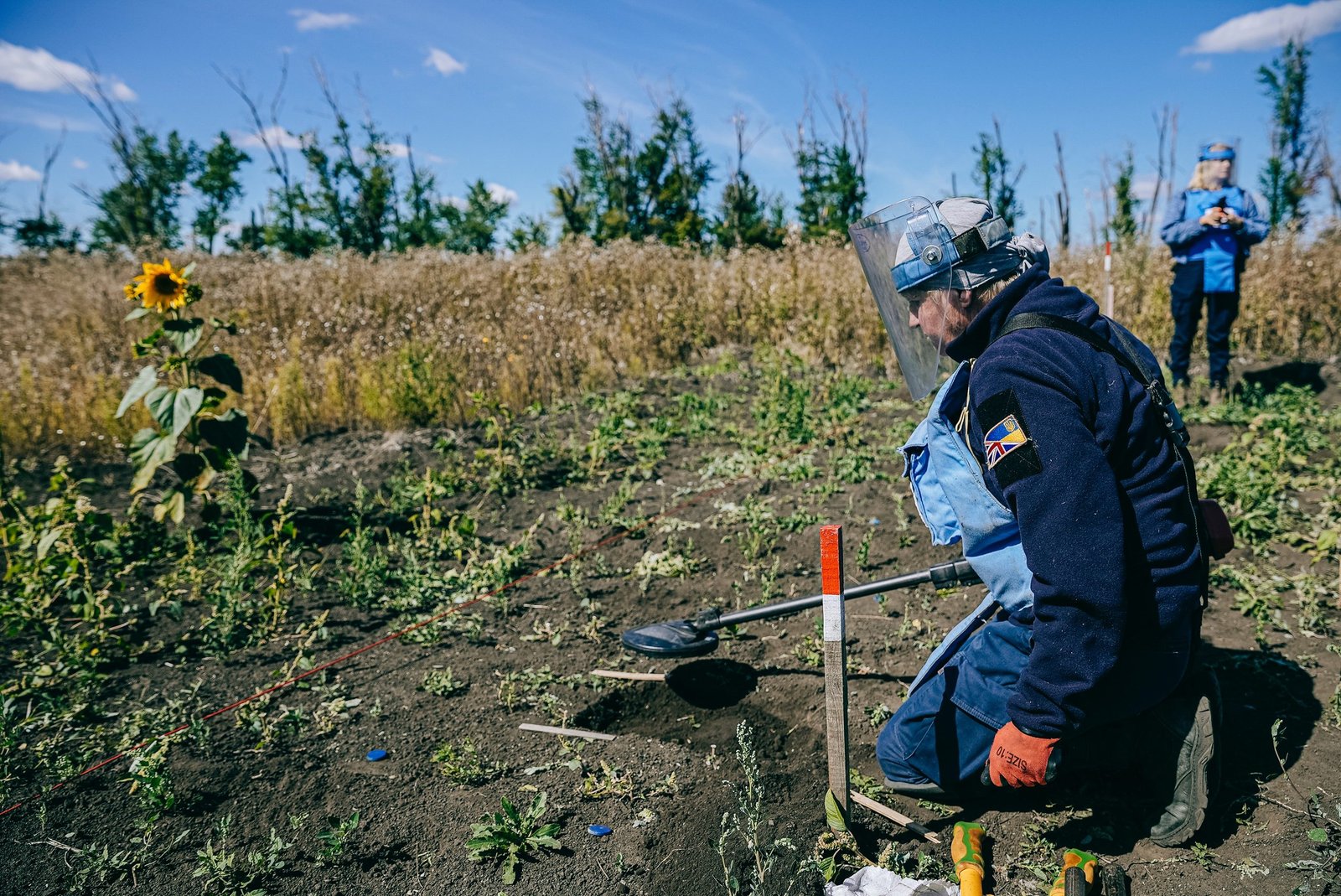
Ukraine faces a major challenge in removing landmines and unexploded weapons left by years of war. Large areas of land may remain dangerous even after fighting moves elsewhere. The explosives threaten civilians, farmers, emergency workers and people trying to return to homes that they left during the conflict. Clearing them is a slow task that can continue long after an area is no longer under active attack.
Traditional mine clearance often requires trained workers to examine the ground carefully and remove or destroy explosives. The process can be dangerous and expensive, especially in areas where large numbers of mines may have been placed. Workers must also deal with damaged buildings, broken roads and other hazards that make access difficult. A single mistake can cause serious injury or death, so teams cannot simply rush through the work.
New technology is helping some clearance groups improve their methods. Drones can survey areas that are difficult to reach, while digital tools can help teams map suspected danger zones. Artificial intelligence may assist with reviewing images and identifying patterns that could point to buried objects. These tools do not remove the need for trained specialists, but they may help workers decide where to focus their efforts and reduce the time spent in dangerous places.
The effects of landmines reach into daily life. Farmers may be unable to use their fields, families may struggle to return home and communities may face delays in rebuilding roads or public services. Clearance also requires funding, specialist equipment and reliable information about where explosives may be located. Ukraine’s task is therefore not only a military issue but also a long-term public safety and recovery challenge.
