

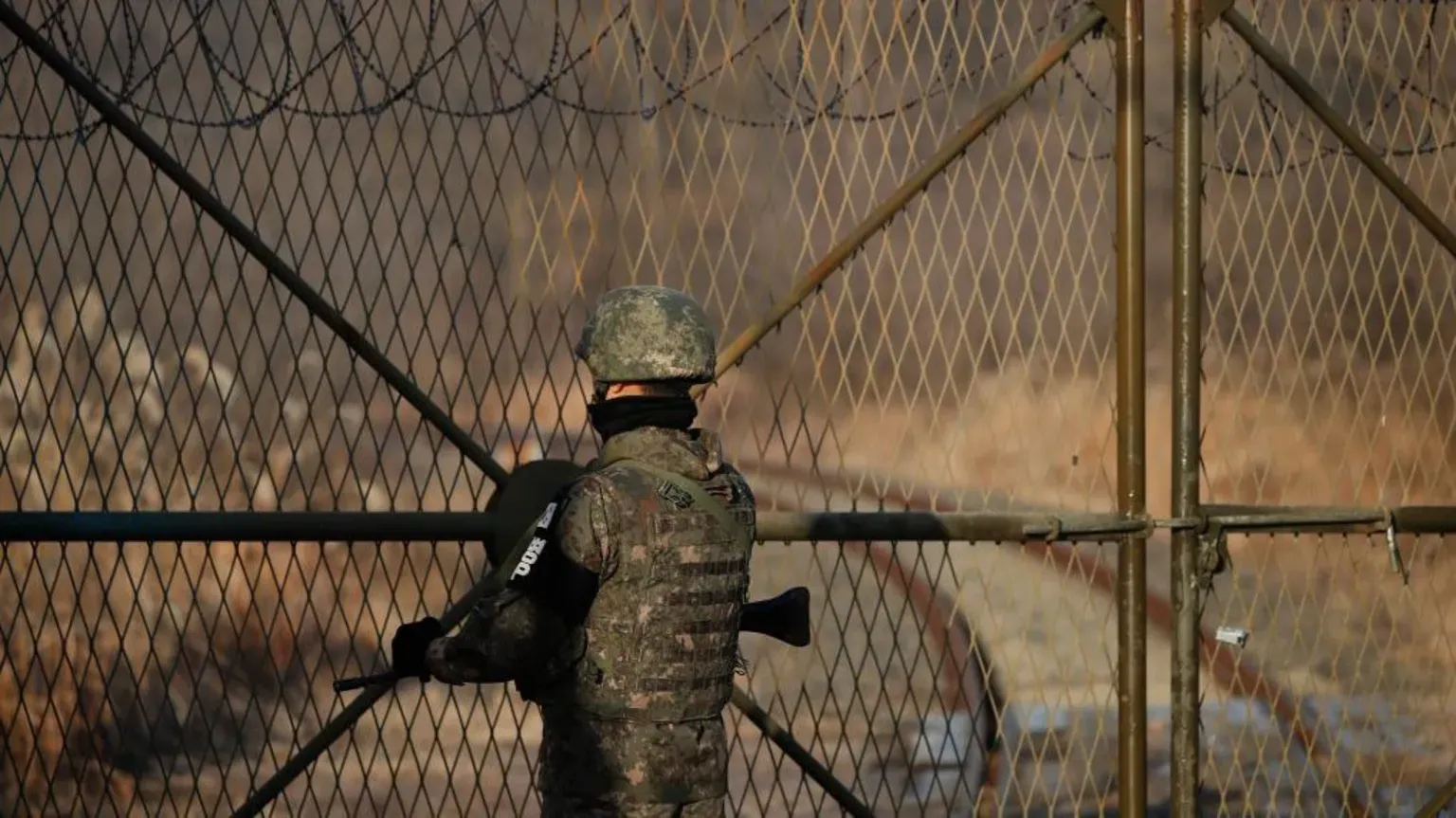
South Korea’s Defense Minister confirmed this week that an additional North Korean landmine had been discovered at the site of a previous landmine explosion along the western front of the inter-Korean border, with officials stating they are now certain North Korean troops crossed the Military Demarcation Line to plant the device. This finding adds to ongoing tension along one of the world’s most heavily militarized borders, where periodic incidents involving landmines, guard post activity, and occasional gunfire have continued punctuating the technically unresolved conflict between the two Korean states.
Despite the seriousness of this finding, South Korea’s National Assembly Defense Committee failed to adopt a formal resolution condemning North Korea over the incident, reflecting the genuinely divided political landscape within South Korea’s legislature regarding how forcefully to respond to periodic North Korean provocations of this nature. This legislative outcome illustrates the complex domestic political calculations that shape South Korean responses to North Korean actions, with different political factions often holding meaningfully different views about the appropriate balance between firm deterrent responses and efforts to avoid unnecessary escalation.
The landmine discovery comes during a period of already heightened tension on the Korean Peninsula, following North Korea’s recent declaration at the United Nations General Assembly that its nuclear weapon status remains permanently irreversible under any circumstances. This combination of nuclear rhetoric and conventional military provocations along the border illustrates the multifaceted nature of ongoing security challenges facing South Korea, extending well beyond simply the nuclear question to include more immediate tactical incidents occurring along the heavily fortified border region separating the two countries.
Military analysts note that landmine incidents along the Military Demarcation Line, while not new occurrences in the decades-long history of inter-Korean tension, carry particular significance when they involve confirmed cross-border movement by North Korean personnel, as this specific incident reportedly does according to South Korean defense officials. Such incidents raise genuine questions about North Korean intentions and capabilities, even when they do not necessarily indicate imminent broader military action, given the complex signaling dynamics that have long characterized military interactions along this particular border.
South Korean President Lee Jae Myung’s government has separately announced a significant increase to the country’s defense budget in recent days, reflecting a broader pattern of South Korean defense investment responding to the combination of North Korean nuclear developments and continued conventional military provocations along the border. This landmine incident adds another data point supporting the rationale behind this increased defense spending, even as the failed legislative condemnation resolution suggests genuine internal South Korean debate about the most appropriate policy response to this specific type of provocation.
International observers continue monitoring developments along the Korean Peninsula closely, given the potential for periodic incidents like this landmine discovery to contribute to broader escalatory dynamics if not carefully managed by both sides. The persistent pattern of periodic border incidents, occurring against the backdrop of North Korea’s unwavering nuclear posture, illustrates the genuinely complex and multilayered security challenge that continues to define the relationship between the two Korean states more than seven decades after their original armistice agreement.
As this latest incident continues generating domestic political discussion within South Korea, the broader question of how to appropriately respond to North Korean provocations while avoiding unnecessary escalation remains a persistent challenge for South Korean policymakers. Whether this particular incident produces any concrete policy changes beyond the already announced defense budget increase, or simply becomes another entry in the long historical record of periodic border tensions, will likely become clearer only as South Korean officials continue assessing the appropriate response in the coming days and weeks.
