

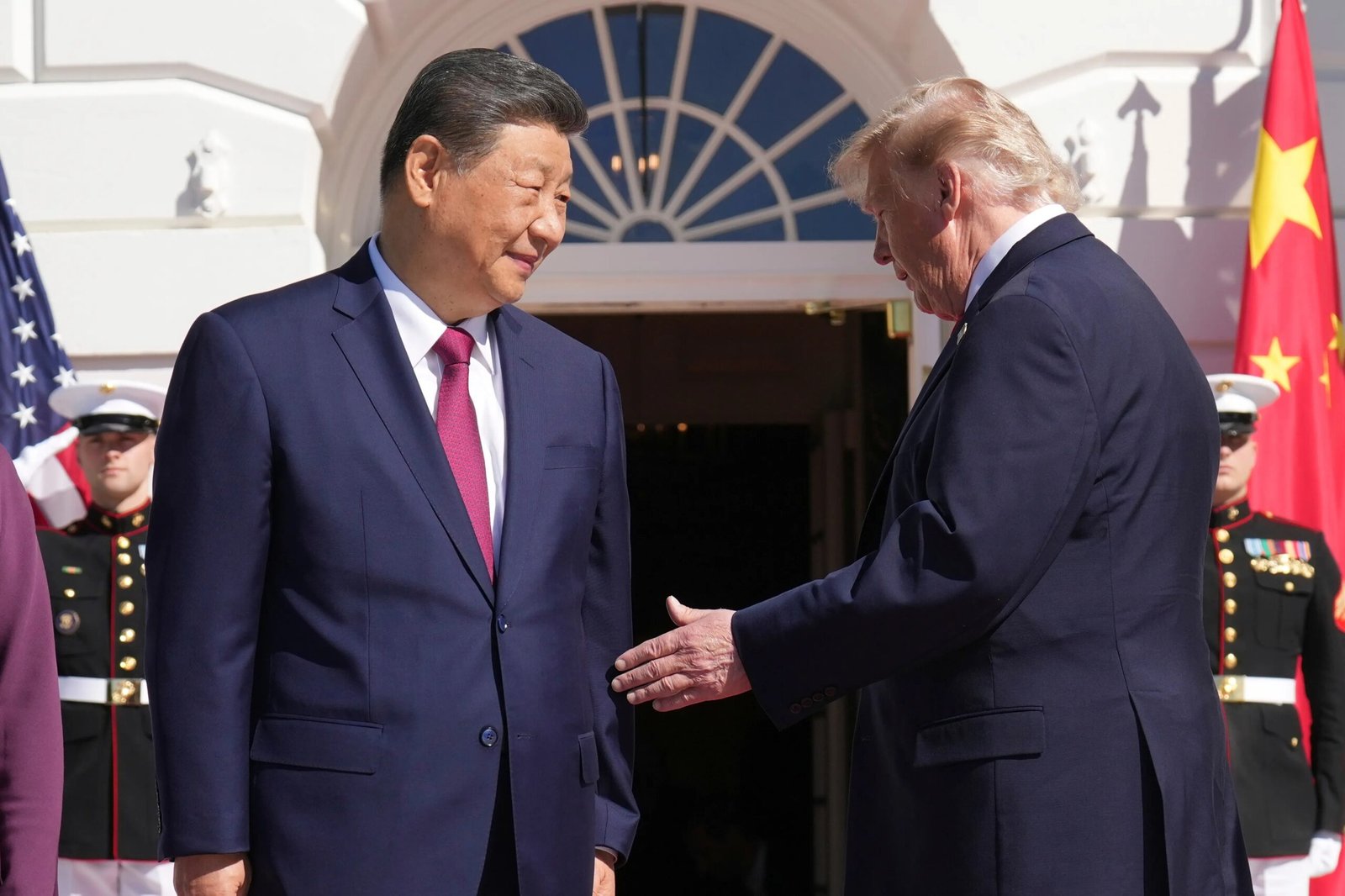
This week’s historic summit between President Trump and Chinese President Xi Jinping produced a modest but meaningful extension of the existing trade truce between the two countries, even as broader breakthroughs on the more difficult structural issues dividing the world’s two largest economies remained largely elusive throughout the multi-day visit. The two leaders agreed to push back the previous November deadline for their current trade arrangement to January of next year, providing both governments additional time to work through more complicated negotiations without an immediate cliff-edge deadline forcing hasty decisions.
Financial analysts and diplomatic observers covering the summit have generally characterized its outcomes as narrow but genuinely useful, predicting limited near-term tariff relief alongside potential expansion of existing agricultural purchase commitments and pledges toward continued cooperation on select issues including artificial intelligence safety frameworks and the ongoing situation involving Iran. This measured characterization reflects a broader pattern seen throughout this year’s several meetings between the two leaders, where substantive progress has tended to arrive incrementally rather than through singular dramatic breakthroughs.
Despite the summit’s relatively modest formal outcomes, the visit itself carried substantial symbolic weight, representing the first time a Chinese leader has visited the White House in more than a decade and featuring an unusually elaborate diplomatic program including a formal state dinner, military ceremony, and a substantial accompanying Chinese business delegation. This scale of ceremonial engagement suggests both governments viewed the visit as significant beyond its immediate concrete outcomes, potentially aiming to establish a foundation of improved atmosphere that could support more substantive negotiations in subsequent meetings.
Trade experts note that the fundamental structural tensions between the two economies, spanning technology competition, rare earth mineral access, and broader questions about economic interdependence, remain largely unaddressed by this week’s discussions, suggesting that the underlying relationship continues to be managed through incremental agreements rather than any comprehensive resolution. This pattern of managing rather than fully resolving tensions has characterized much of the relationship throughout the current year, even as the frequency of direct leader engagement has notably increased compared to previous periods.
The absence of major breakthroughs has drawn some criticism from analysts who had hoped this particular summit, given its historic significance as Xi’s first Washington visit in over a decade, might produce more substantive progress on outstanding disputes. However, other observers argue that maintaining stability and avoiding renewed escalation represents a meaningful achievement in itself, particularly given the genuinely elevated tensions that have periodically characterized the relationship at various points over recent years.
Business leaders with significant exposure to trade between the two economies have generally expressed relief at the truce extension, even while acknowledging that the underlying uncertainty about the relationship’s longer-term trajectory remains largely unresolved. This mixed reaction, combining relief at near-term stability with continued uncertainty about longer-term direction, reflects the broader complexity that continues to characterize how businesses and markets approach the ongoing relationship between these two economic superpowers.
As attention now turns toward the two leaders’ next planned meeting in November, the coming weeks will likely reveal whether this week’s modest but meaningful progress can build toward more substantive agreements, or whether the relationship will continue its established pattern of incremental management without fundamental resolution of its deeper structural tensions. For now, this week’s summit stands as another notable but not transformative chapter in an increasingly consequential and closely watched bilateral relationship.
