

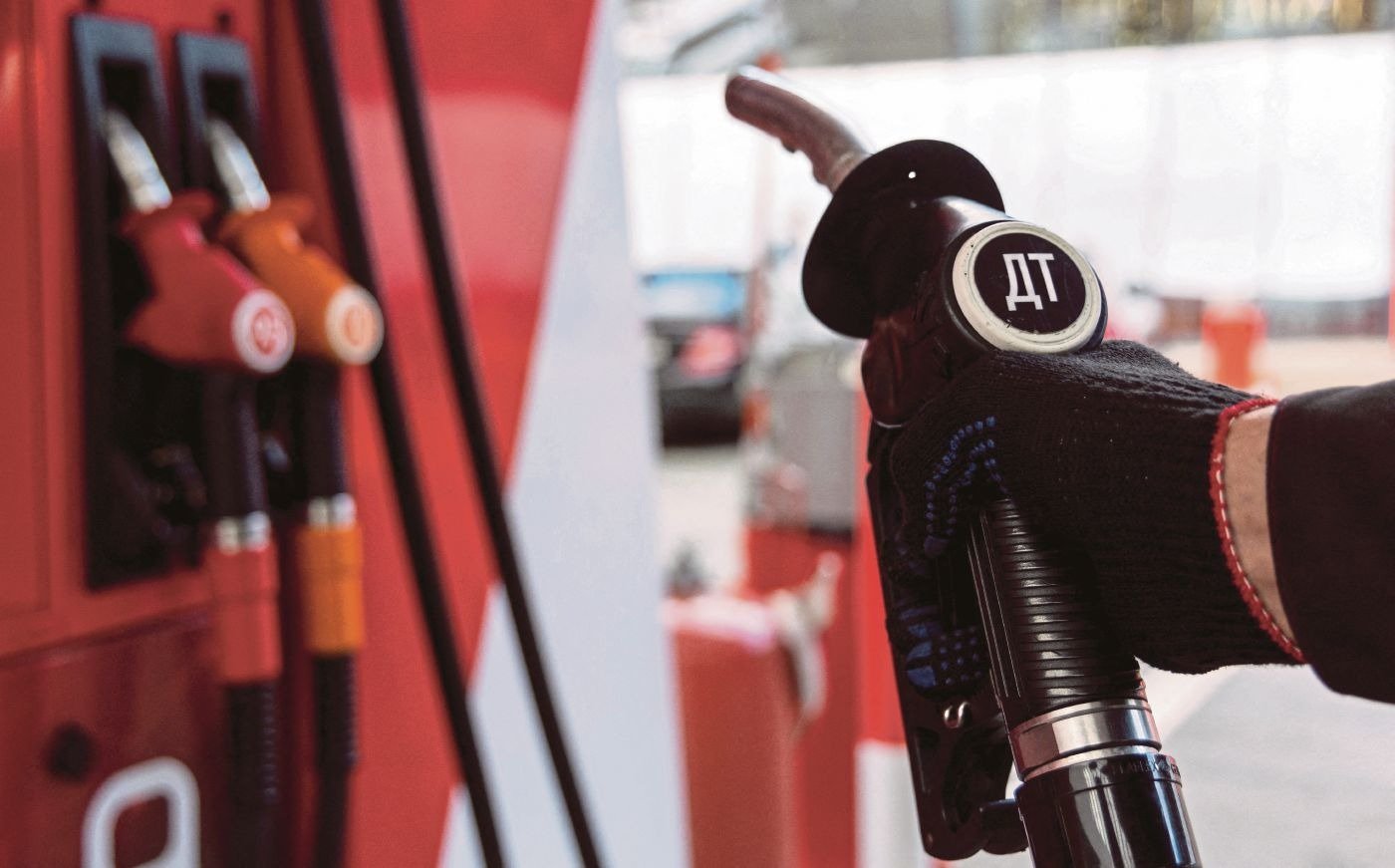
Diesel prices have remained persistently elevated in recent weeks, with energy market analysts warning that current supply pressures are unlikely to ease significantly on their own even as broader crude oil prices have shown some recent volatility. One commodity strategist specifically cautioned against expecting diesel prices to decline to a point where the resulting economic pressure meaningfully dissipates, highlighting the particular tightness currently affecting this specific segment of the broader fuel market compared to crude oil more generally.
The diesel market’s current tightness reflects a combination of factors that have developed over recent months, including reduced refining capacity in certain regions, elevated demand tied to various industrial and transportation sectors, and the broader disruption to global oil supply chains stemming from ongoing tensions in the Middle East. Unlike crude oil prices, which have shown notable volatility tied directly to headlines about potential diplomatic progress in the region, diesel markets have exhibited a more persistent tightness that analysts suggest reflects structural rather than purely headline-driven factors.
This persistent diesel price pressure carries particularly significant implications for the broader economy, given the fuel’s essential role in trucking, shipping, agricultural equipment, and numerous other sectors that form the backbone of goods movement and production throughout the economy. Unlike gasoline price increases, which primarily affect individual consumers directly at the pump, elevated diesel costs tend to work their way through supply chains more broadly, ultimately affecting the prices of a wide range of goods and services well beyond the transportation sector itself.
Trucking companies and logistics providers have reported significantly increased operating costs tied directly to elevated diesel prices, with many companies indicating they have begun passing at least a portion of these increased costs on to customers through adjusted shipping rates and fuel surcharges. This pattern of cost pass-through, while a standard business practice during periods of elevated fuel costs, ultimately contributes to broader inflationary pressure throughout the economy as these increased transportation costs work their way into final consumer prices for a wide range of products.
Agricultural producers represent another sector significantly affected by elevated diesel costs, given the fuel’s essential role in powering farm equipment used throughout planting, harvesting, and general agricultural operations. Farmers already navigating various other cost pressures have found elevated diesel prices adding meaningfully to their overall operating expenses, potentially affecting both farm profitability and, eventually, food prices for consumers as these increased production costs work through the broader agricultural supply chain.
Energy analysts continue debating how long current diesel market tightness might persist, with some suggesting that any resolution to the broader Middle East tensions affecting crude oil supply could eventually help ease diesel-specific pressures as well, while others argue that structural factors specific to diesel refining and distribution may keep this particular fuel segment elevated even if broader crude prices moderate. This divergence in analyst opinion reflects genuine uncertainty about how quickly and completely any broader energy market stabilization might translate into relief for this specific and economically significant fuel category.
As businesses and consumers continue navigating this period of elevated diesel costs, the broader economic implications extend well beyond simply higher transportation expenses, touching virtually every sector that depends on the movement of goods throughout the economy. Whether current tightness in this particular fuel market begins easing in the coming weeks or persists longer than initially anticipated will likely have meaningful implications for broader inflation trends and overall economic conditions heading into the final months of the year.
