

A new legal fight over mail voting is growing in the United States as 23 states and Washington, DC, challenge new rules backed by President Donald Trump. The states say the rules could create confusion before the November midterm elections and make it harder for some voters to cast their ballots.
The dispute centers on new rules from the US Postal Service. The rules were created after Trump signed an executive order in March that sought to place new limits on mail voting. The order has already faced several legal challenges.
The latest case was filed in federal court in Boston on Wednesday. The states want the court to stop the Postal Service from using the new rules. Voting rights groups have also joined the legal fight.
The new rules require states to give the Postal Service lists of people who will receive mail ballots. They also require mail ballot envelopes to have special barcodes. The Postal Service could reject ballots that do not meet the new rules.
The states argue that these requirements go too far. They say the federal government does not have the power to set new rules for how states manage elections. Election officials also warn that changing systems close to an election could create major costs and delays.
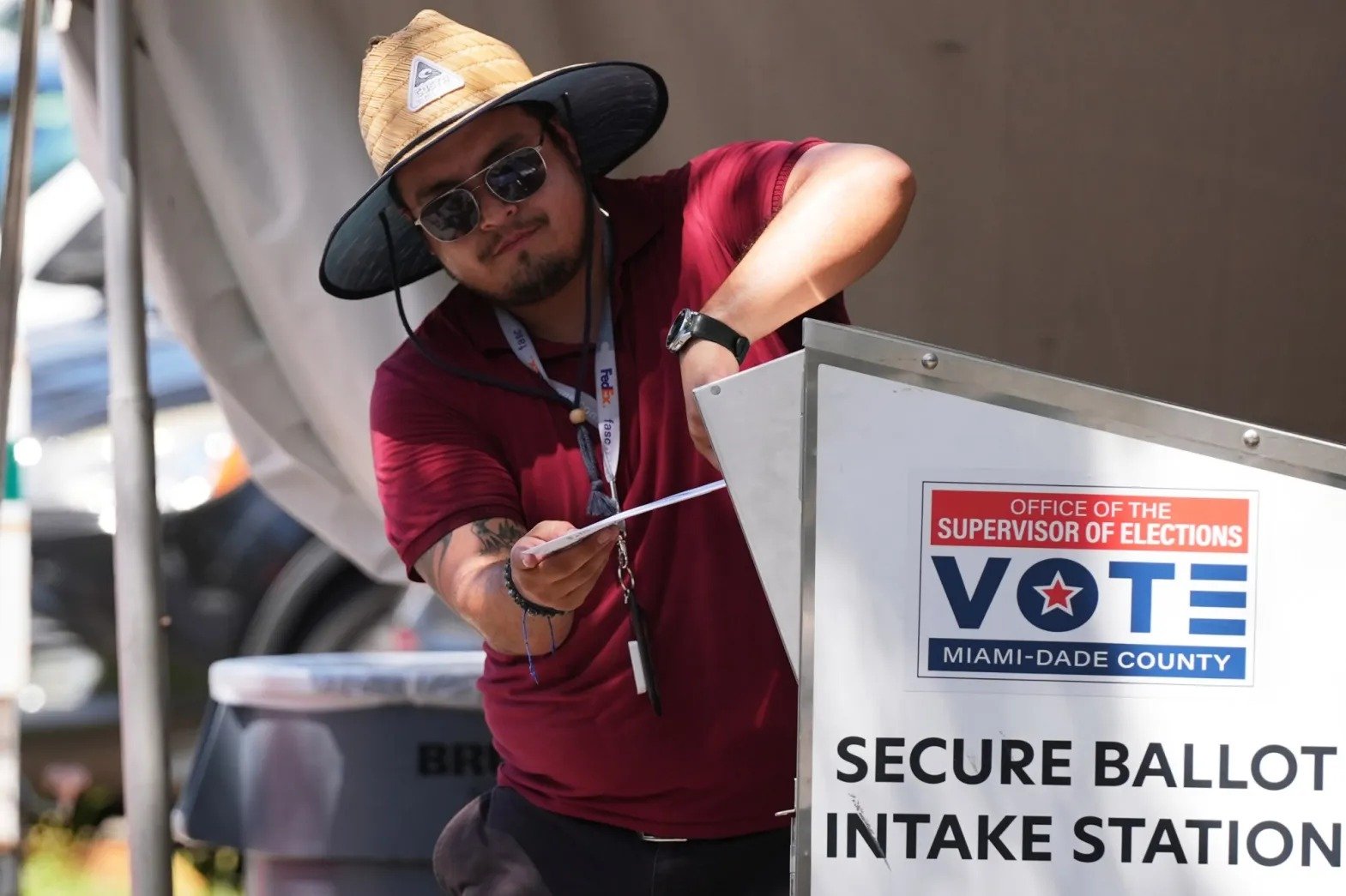
The issue is important because mail voting is widely used in the United States. Nearly 100 million mail ballots were processed by the Postal Service during the 2024 election, according to figures cited in the legal case. About 30 percent of voters across the country voted by mail in that election.
The states say they could face large costs if the new rules remain. They may need to buy new envelopes and equipment. They may also need to change computer systems and train election workers just weeks before voters begin casting ballots.
New York Attorney General Letitia James said the rules could create confusion and risks for voters. Other state officials have made similar claims.
The Trump administration has defended the plan. Supporters say stronger rules can help protect elections and make sure mail ballots are sent only to eligible voters.
The legal dispute became more complex after the Supreme Court acted earlier this week. The court lifted one earlier order that had blocked Trump’s executive order. That decision gave the administration a legal boost, but it did not end the wider court fight.
Another court order had continued to block the Postal Service from fully putting the new rules into effect. A federal judge later said the Postal Service had acted against an earlier court order when it finalized its rules.
Judge Indira Talwani has now asked the Trump administration to respond to the latest request from the states and voting rights groups. She has also scheduled a September 3 hearing.
The timing is important. The November midterm elections will decide control of the US Congress. States are already preparing voting systems, training staff and sending information to voters.
Any major change at this stage could put pressure on election offices.
The dispute also reflects a wider political fight over voting rules in the United States. Republicans have often called for tighter election controls. Democrats and voting rights groups say some of these changes could make voting harder.
The courts will now decide whether the Postal Service has the legal power to enforce the new requirements. The answer could affect millions of voters during the 2026 election.
For now, the Trump Mail Voting Fight remains unresolved. The next major step will come in court as both sides argue over federal power, election rules and voter access.
The case could become one of the most important election disputes before Americans vote in November.
