

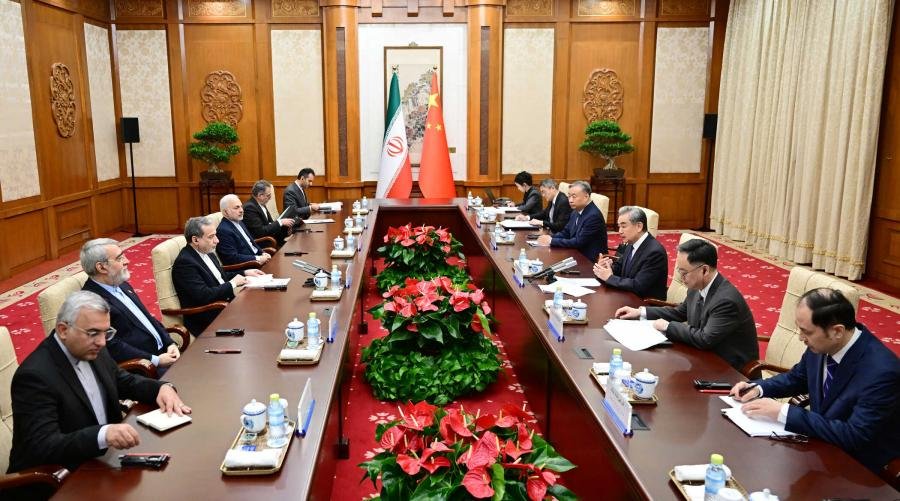
China has warned the United States against using sanctions to pressure countries that trade with Iran. Beijing says it will take steps to protect its interests after Washington expanded economic measures against Tehran and its trading partners.
The dispute comes after the Trump administration launched a new campaign aimed at putting greater economic pressure on Iran. The US has targeted people, companies and ships linked to Iranian trade. Washington says the campaign is designed to cut Iran’s access to money and limit its ability to support military activity.
China is at the center of the issue because it is Iran’s main trading partner and its largest oil buyer. A large reduction in Iranian oil sales to China could cause serious problems for Tehran. But stronger US pressure on Chinese companies could also create a new dispute between Washington and Beijing.
Chinese officials have criticized unilateral sanctions for years. Beijing says countries should not use economic pressure to settle political disputes. It has also warned that sanctions can increase tension instead of solving problems.
The US position is different. Washington wants countries and companies to reduce business with Iran. The administration has warned that firms linked to Iran could face penalties. Such measures can make international companies think twice before doing business with Tehran.
China faces a difficult choice. It wants to maintain trade with Iran while also avoiding a major economic clash with the United States. Washington and Beijing have their own large trade relationship. Both governments have reasons to prevent another dispute from becoming too serious.
The timing is also important. The US and China are trying to manage wider economic and political differences. A new fight over Iran could make those talks harder. This may help explain why Washington has so far avoided the most severe possible action against major Chinese financial institutions.
Oil is one of the most important parts of the dispute. Iran depends heavily on oil income. China needs a steady energy supply. Their trade therefore gives both sides a reason to keep the relationship alive.
The situation is also linked to the Strait of Hormuz. The waterway remains a major concern for global energy trade. Any long disruption could affect oil prices, shipping costs and supply plans in Asia and Europe.
That makes the China US dispute larger than a simple sanctions fight. It is also about energy security and global trade. If Chinese buyers continue to purchase Iranian oil, Washington could face limits on how far it can push its economic campaign.
Beijing’s response could also influence other countries. Some states may watch how China reacts before deciding whether to keep trading with Iran. If China continues its trade with Tehran, other countries may feel more confident about maintaining their own economic links.
For Iran, Chinese trade is vital. The country has faced years of US sanctions. China has remained one of its most important economic partners despite that pressure.
For Washington, the challenge is finding a way to pressure Iran without creating a much larger conflict with China. The US administration has already shown caution by avoiding a direct attack on China’s largest financial institutions in the latest campaign.
The China Iran Sanctions dispute could therefore become one of the most important economic tests between Beijing and Washington. The US wants to isolate Tehran. China wants to protect its trade and energy interests. How both sides manage that clash could shape the next stage of the Middle East crisis and wider global trade.
Date check: These selections use reporting available on 26 August 2026. Some events began on 24–25 August but remained major active stories on the 26th.
