

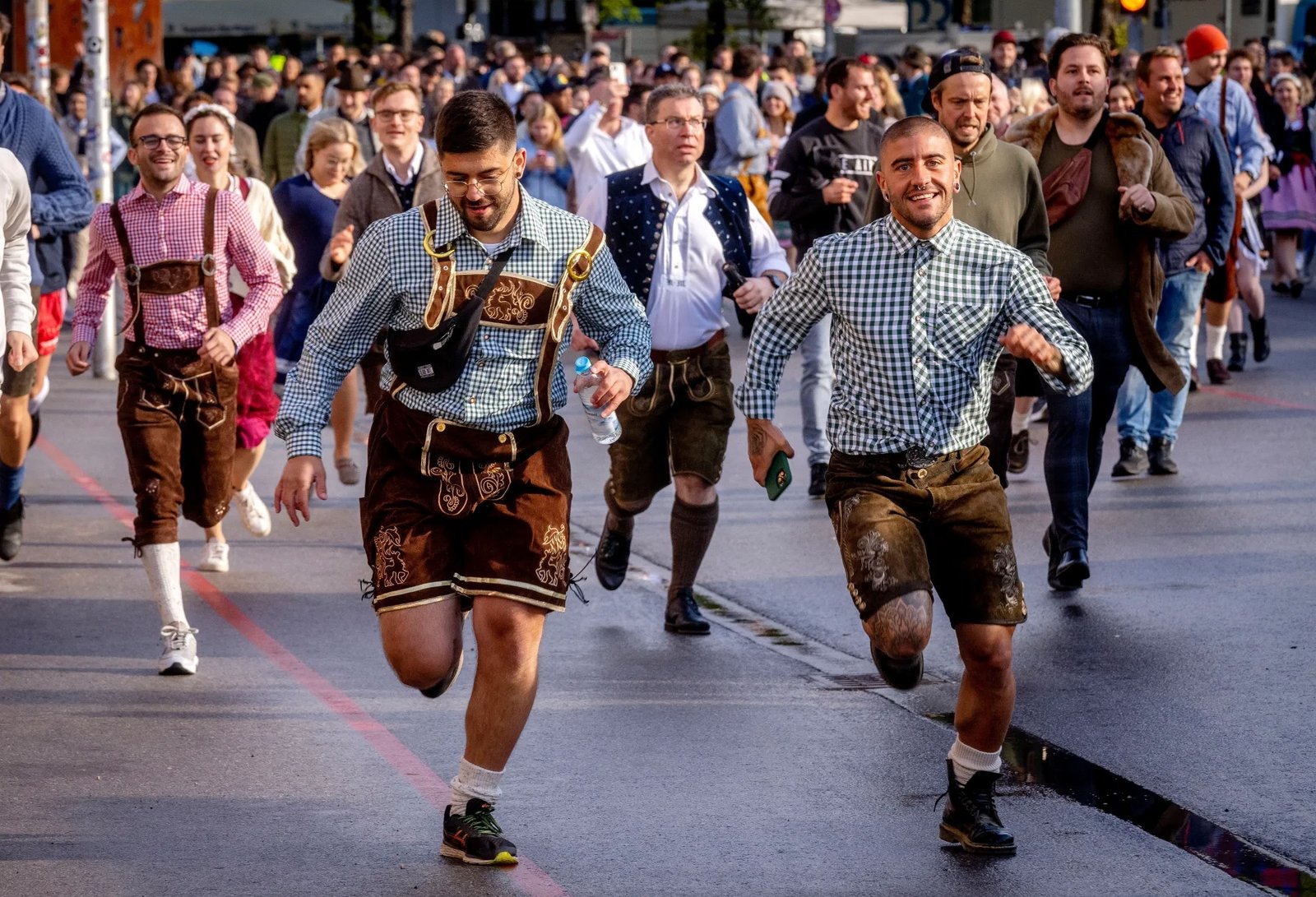
One of the world’s biggest festivals has returned, filling beer halls and city squares across Germany with music, food, and celebration. Oktoberfest, the centuries old tradition rooted in Bavarian culture, draws millions of visitors from around the globe each autumn for a mix of tradition and modern day festivity.
The festival traditionally centers on Munich, where massive beer tents fill with locals and tourists dressed in traditional lederhosen and dirndls. Long wooden tables, brass bands, and huge steins of beer create an atmosphere that has become instantly recognizable worldwide, inspiring similar celebrations in cities far beyond Germany’s borders.
Beyond the beer, food plays a central role in the celebration. Visitors can expect roasted chicken, giant pretzels, sausages of every variety, and sweet treats served alongside the drinks. Many tents also host live music throughout the day, ranging from traditional Bavarian folk tunes to more modern crowd favorites that keep the energy high late into the evening.
This year’s festival arrives amid a broader global trend toward experience based travel, with many younger visitors treating the trip as a bucket list cultural experience rather than simply a drinking holiday. Tourism officials in Bavaria say international visitor numbers have remained strong in recent years, even as the cost of travel and accommodation continues to rise.
Organizers have also placed a growing emphasis on safety and responsible drinking as crowds return in full force. Increased medical staffing, clearer signage, and stronger security measures have become standard features of recent festivals, following past years where overcrowding and safety concerns drew criticism.
Local businesses across Munich see a major economic boost during the festival period, with hotels, restaurants, and shops all reporting a surge in demand. Economists estimate the celebration contributes a significant amount to the regional economy each year, supporting jobs across hospitality, retail, and transportation sectors during the weeks long event.
Sustainability has also become a bigger talking point in recent seasons, with organizers working to reduce waste and encourage more environmentally friendly practices among vendors. Reusable cups, better recycling systems, and local sourcing of food ingredients have all become more common across the festival grounds.
For those unable to travel to Germany, similar Oktoberfest style celebrations have popped up in cities across the world, from local breweries hosting themed weekends to larger organized festivals drawing thousands of attendees. The global appeal of the tradition shows little sign of fading, even decades after it first spread beyond Bavaria’s borders.
Fashion has also found its way into the festival spirit, with traditional Bavarian attire seeing a renewed wave of interest. Designers have released modern takes on classic dirndls and lederhosen, blending traditional silhouettes with contemporary fabrics and styling choices favored by younger festival goers.
As the celebration continues over the coming weeks, organizers expect another strong turnout, reinforcing Oktoberfest’s place as one of the most recognized cultural festivals in the world, and a reminder of how deeply rooted traditions can continue to capture global attention generation after generation.
