

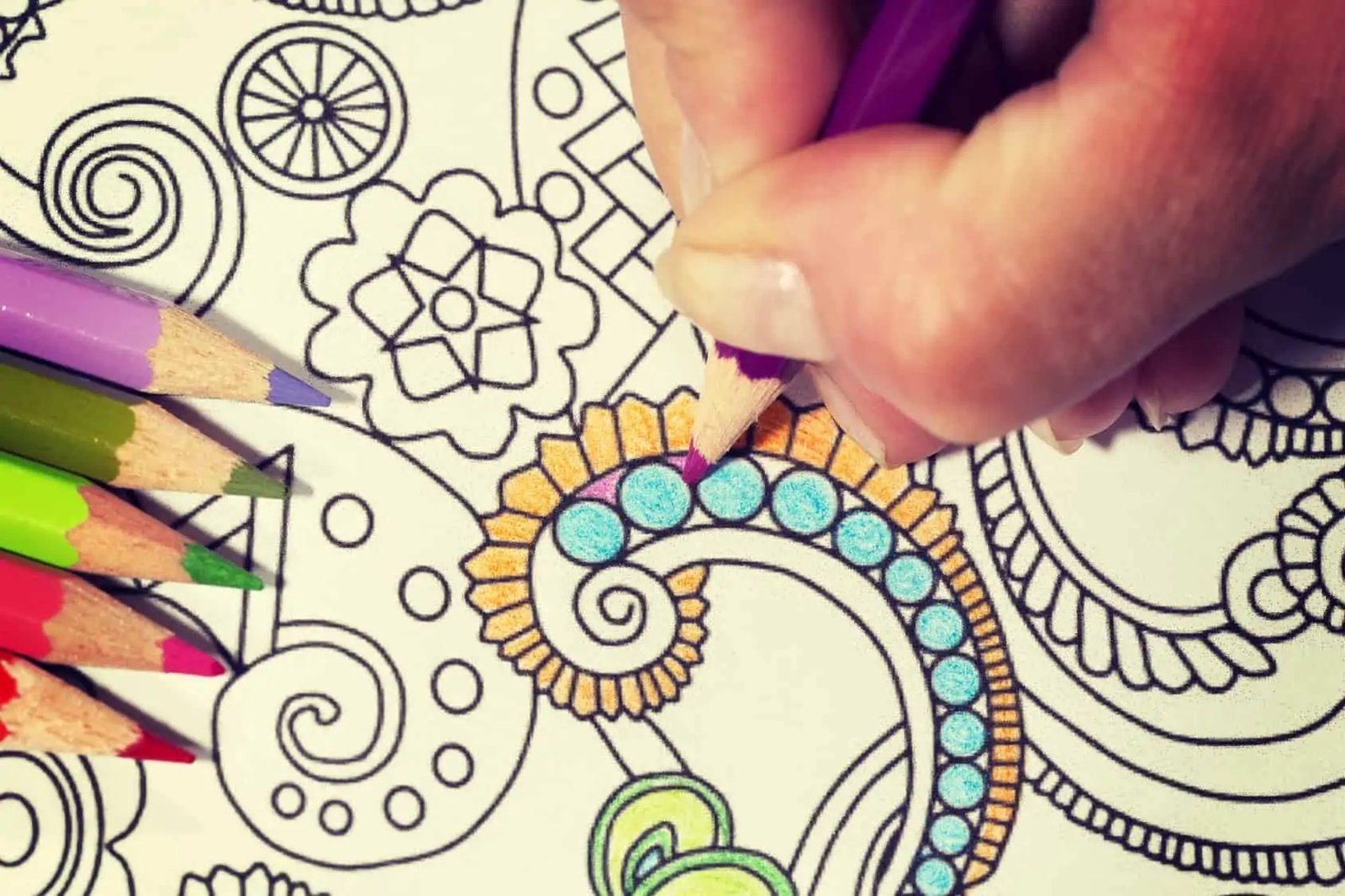
People of all ages are marking National Coloring Day today, an observance highlighting the simple creative activity’s growing recognition as a valuable relaxation and mindfulness practice extending well beyond its traditional association with childhood entertainment.
Adult coloring books gained significant mainstream popularity in recent years, with publishers releasing increasingly elaborate and sophisticated coloring page designs specifically marketed toward adults seeking accessible creative outlets and stress reduction activities outside traditional artistic pursuits.
Mental health professionals have noted that coloring can provide genuine relaxation benefits, with the repetitive, focused nature of the activity potentially inducing a meditative state similar to other mindfulness practices, while requiring minimal artistic skill compared to more open ended creative activities.
Children’s development experts continue emphasizing coloring’s traditional educational value, noting how the activity helps develop fine motor skills, hand eye coordination, and early creative expression capabilities that support broader childhood development across multiple important domains.
Therapeutic applications of coloring have expanded significantly, with some mental health practitioners incorporating structured coloring activities into treatment approaches for anxiety and stress management, recognizing the activity’s accessibility and low barrier to entry compared to other therapeutic techniques.
Educational settings continue utilizing coloring activities across various subjects, from basic color recognition for young children to more sophisticated applications supporting geography, science, and historical education through detailed coloring pages related to specific curriculum topics.
Digital coloring applications have expanded the activity’s accessibility, allowing people to enjoy coloring experiences on tablets and smartphones without requiring physical supplies, though many enthusiasts continue preferring traditional physical coloring books and colored pencils or markers.
Social and community coloring events have emerged in various settings, from senior centers offering group coloring sessions to casual social gatherings where coloring serves as a relaxed, low pressure activity that facilitates conversation and connection among participants.
Artistic skill development sometimes begins with coloring activities, providing early exposure to color theory, spatial relationships, and basic artistic concepts that can eventually support more advanced creative pursuits for individuals who develop deeper interest in visual arts.
Workplace wellness programs have occasionally incorporated coloring activities as accessible stress relief options, recognizing that brief creative breaks can potentially support employee wellbeing and provide mental refreshment during demanding workdays without requiring significant time investment.
As this observance continues, people across all age groups are encouraged to enjoy this simple creative activity today. Whether using elaborate adult coloring books or simple children’s pages, coloring continues offering accessible creative expression and relaxation benefits worth celebrating.
