

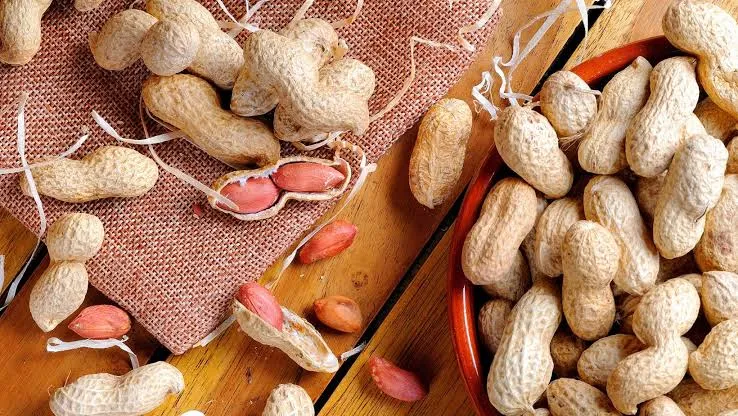
Snack enthusiasts across the country are marking National Peanut Day today, celebrating one of the most versatile and widely consumed foods worldwide, technically a legume rather than a true nut, yet beloved in countless culinary applications spanning cultures and cuisines globally.
Peanuts hold a distinctive position in American food culture, appearing in everything from simple roasted snacks to peanut butter, a staple pantry item found in the vast majority of American households and beloved across generations for its versatility and satisfying flavor.
Nutrition experts frequently highlight peanuts as an excellent source of protein and healthy fats, making them a popular choice among health conscious consumers seeking nutrient dense snacking options that provide sustained energy compared to many processed snack alternatives.
The peanut’s agricultural significance extends well beyond its culinary applications, with the crop playing an important economic role in various farming regions, supporting agricultural communities and representing a significant commodity within international food trade markets.
Peanut butter’s invention and subsequent popularization represents one of the more significant developments in American food history, transforming this simple legume into an incredibly versatile ingredient found in sandwiches, baked goods, and countless other culinary applications enjoyed daily by millions.
Allergy considerations have become increasingly prominent in discussions about peanuts, given the potential for severe allergic reactions among sensitive individuals, leading to significant changes in food labeling, school policies, and product development addressing this important food safety consideration.
International culinary traditions showcase peanuts in diverse applications, from West African stews incorporating ground peanuts as a thickening and flavoring agent to Southeast Asian dishes featuring peanut based sauces that have gained significant popularity in international cuisine worldwide.
Peanut oil has found extensive use in cooking applications, particularly valued for its relatively high smoke point and neutral flavor profile that makes it suitable for various frying and cooking techniques across different culinary traditions and professional kitchen applications.
Snack food manufacturers continue innovating with peanut based products, developing new flavor combinations and product formats that showcase this versatile ingredient while meeting evolving consumer preferences for convenient, satisfying snacking options throughout busy daily schedules.
Agricultural research continues focused on improving peanut crop yields and disease resistance, supporting farmers who cultivate this important crop while working to ensure sustainable production methods that can meet continued global demand for this beloved and versatile food product.
As this observance continues, food enthusiasts across the country are encouraged to enjoy peanuts in their favorite form today. Whether through classic peanut butter, roasted snacking varieties, or incorporated into diverse international dishes, this humble legume continues offering satisfying versatility worth celebrating.
