

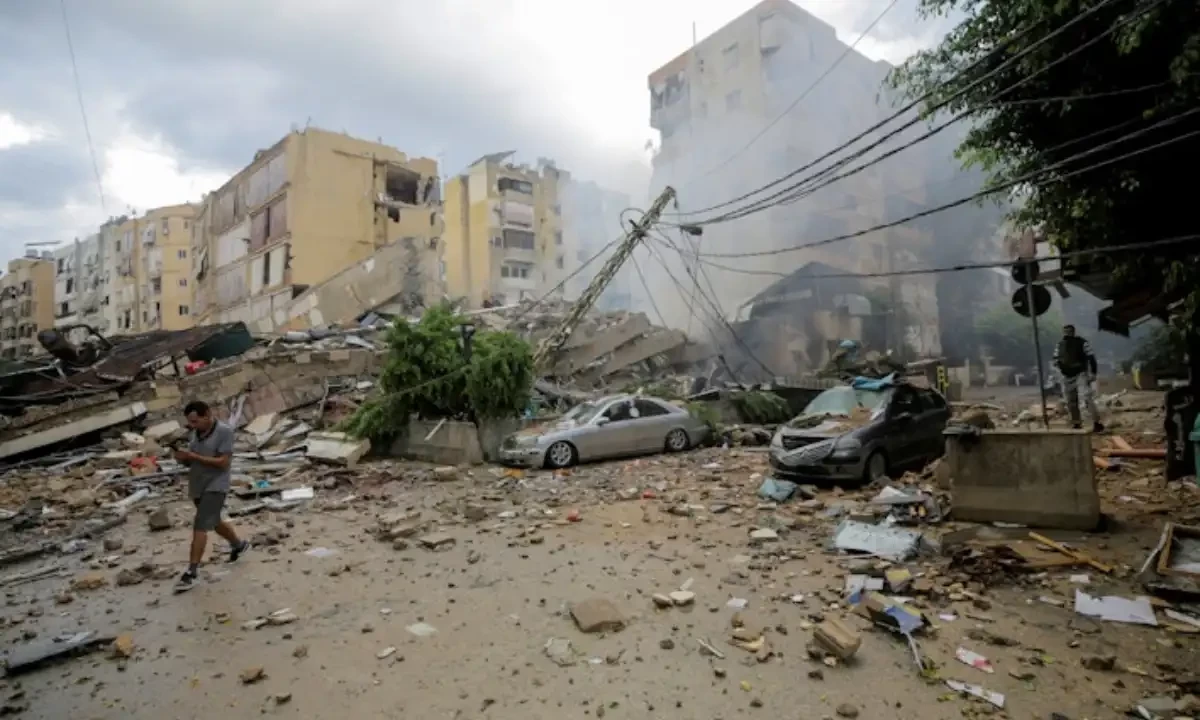
A series of Israeli airstrikes south Lebanon operations killed at least four people and wounded around twenty others, according to local health officials, marking another episode of cross border violence in a region that has experienced periodic escalation for years.
The strikes targeted several locations across southern Lebanon, an area that has repeatedly seen military activity connected to ongoing tensions between Israel and armed groups operating within Lebanese territory, despite various ceasefire arrangements established over recent years.
Israeli military officials have characterized such operations as necessary responses to security threats, though specific details regarding the intended targets and stated justification for this particular round of strikes have not been comprehensively detailed in public statements following the incident.
Lebanese officials have condemned the strikes, describing them as violations of Lebanese sovereignty and existing ceasefire understandings that have periodically governed the security situation along the border region since previous rounds of more intensive conflict concluded.
This latest incident adds to a pattern of recurring violence that has continued despite formal ceasefire arrangements, with both sides periodically accusing each other of violations that have prevented the establishment of lasting calm along this historically volatile border region.
International diplomatic efforts aimed at stabilizing the broader region continue facing significant challenges, with various stakeholders expressing concern about how continued violence in Lebanon might affect broader regional stability, particularly amid other ongoing conflicts across the Middle East.
Humanitarian organizations operating in the region have expressed growing concern about the cumulative impact of recurring strikes on civilian populations in southern Lebanon, many of whom have already experienced significant displacement and hardship from previous rounds of more intensive fighting.
Regional analysts note that the underlying tensions driving this recurring violence remain fundamentally unresolved, despite periodic diplomatic efforts aimed at establishing more durable security arrangements between Israel and various armed factions operating within Lebanese territory.
The timing of this latest incident comes amid broader regional instability, with separate ongoing conflicts involving Iran and various other tensions across the Middle East creating a complex and interconnected security environment that continues challenging diplomatic efforts toward broader regional stability.
Lebanese government officials have called for increased international pressure to prevent further escalation, arguing that sustained diplomatic engagement remains essential for preventing recurring incidents like this one from developing into more significant and sustained military confrontation.
As this latest round of violence adds to an already complex regional security picture, international attention remains focused on whether diplomatic efforts can achieve more durable stability along the Lebanon Israel border. For civilians in the affected areas, continued uncertainty remains an unfortunate constant despite years of periodic diplomatic engagement.
