

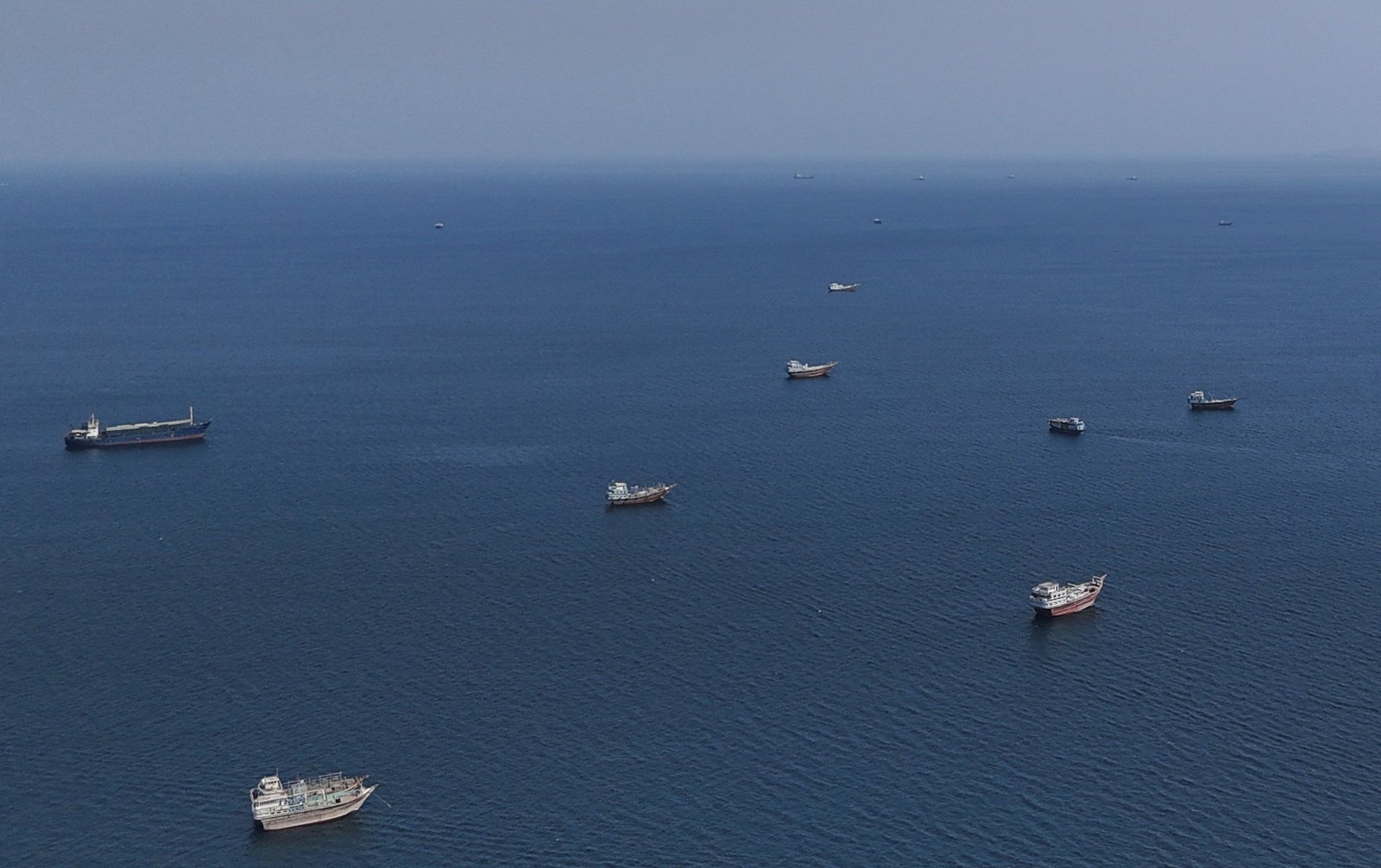
Oil exports from the Middle East have recovered to levels seen before the war with Iran, despite rising attacks on ships in and around the Strait of Hormuz. The development was reported on October 5, 2026, and offers a surprising picture of the region’s energy trade during a period of major security risks. Crude exports from Middle Eastern producers outside Iran rose above the pre-war average on several days in late September, with shipping data showing exports reaching between 19.5 million and 22.5 million barrels per day on some days.
The average was about 18.5 million barrels per day by October 1, compared with around 18 million barrels per day before the conflict began. The numbers show that producers have found ways to keep oil moving even while shipping risks remain high. Some companies are using alternative routes and ship-to-ship transfers to avoid the most dangerous areas, helping maintain supplies despite the growing security concerns.
The Strait of Hormuz remains one of the most important energy routes in the world. Large volumes of crude oil and liquefied natural gas pass through the waterway each day, making it vital to global energy markets. The conflict has created fears that the strait could be closed or heavily disrupted, a situation that could send global oil prices sharply higher.
Instead, exporters have managed to keep a large amount of oil moving, helping prevent an even bigger supply crisis. However, the shipping risks have not disappeared. At least seven recent incidents involving vessels have been reported around the strait, including an incident involving the tanker Kazimah III, which was hit by an unknown projectile and caught fire.
British maritime officials have warned about attacks on ships in the area, with the number of reported incidents increasing since October 2. Insurance costs for ships operating near conflict zones have also risen. Higher insurance and transport costs can make oil more expensive even when enough crude remains available, creating additional pressure throughout the energy market.
The situation has created a strange energy market in which oil supplies are recovering while the cost of moving those supplies remains high. Refining capacity is another concern because some refineries have been damaged or disrupted, while diesel supplies remain under pressure. Diesel is especially important for trucks, farming and industry, meaning a shortage can increase the cost of transporting food and other goods.
The Group of Seven countries have agreed to release emergency fuel stocks to help reduce pressure on the market. The move is aimed at increasing available supplies while energy markets remain unstable. Saudi Arabia has also changed its pricing strategy, unexpectedly cutting its November oil prices for Asian buyers to the lowest level in years.
That decision suggests Saudi Arabia wants to protect its market share and keep buyers interested despite high shipping costs. The energy market is therefore being shaped by both political developments and business decisions. Producers are trying to maintain sales and supply, while governments and companies are attempting to manage the growing risks connected to transportation and security.
For consumers, the main question is whether these changes will eventually lower fuel prices. That will depend on several factors, including crude prices, shipping costs, refinery output and taxes in individual countries. The October 5 data show that the world has not lost access to Middle Eastern oil, but getting that oil to customers has become more difficult.
The longer the conflict continues, the greater the risk that shipping problems could turn into supply problems. Energy traders will closely watch the Strait of Hormuz in the coming weeks because any serious attack on a major tanker or energy infrastructure could quickly change the current picture. For now, Middle Eastern producers are keeping exports moving, but the recovery remains fragile because military risks around one of the world’s most important energy routes remain high.
