

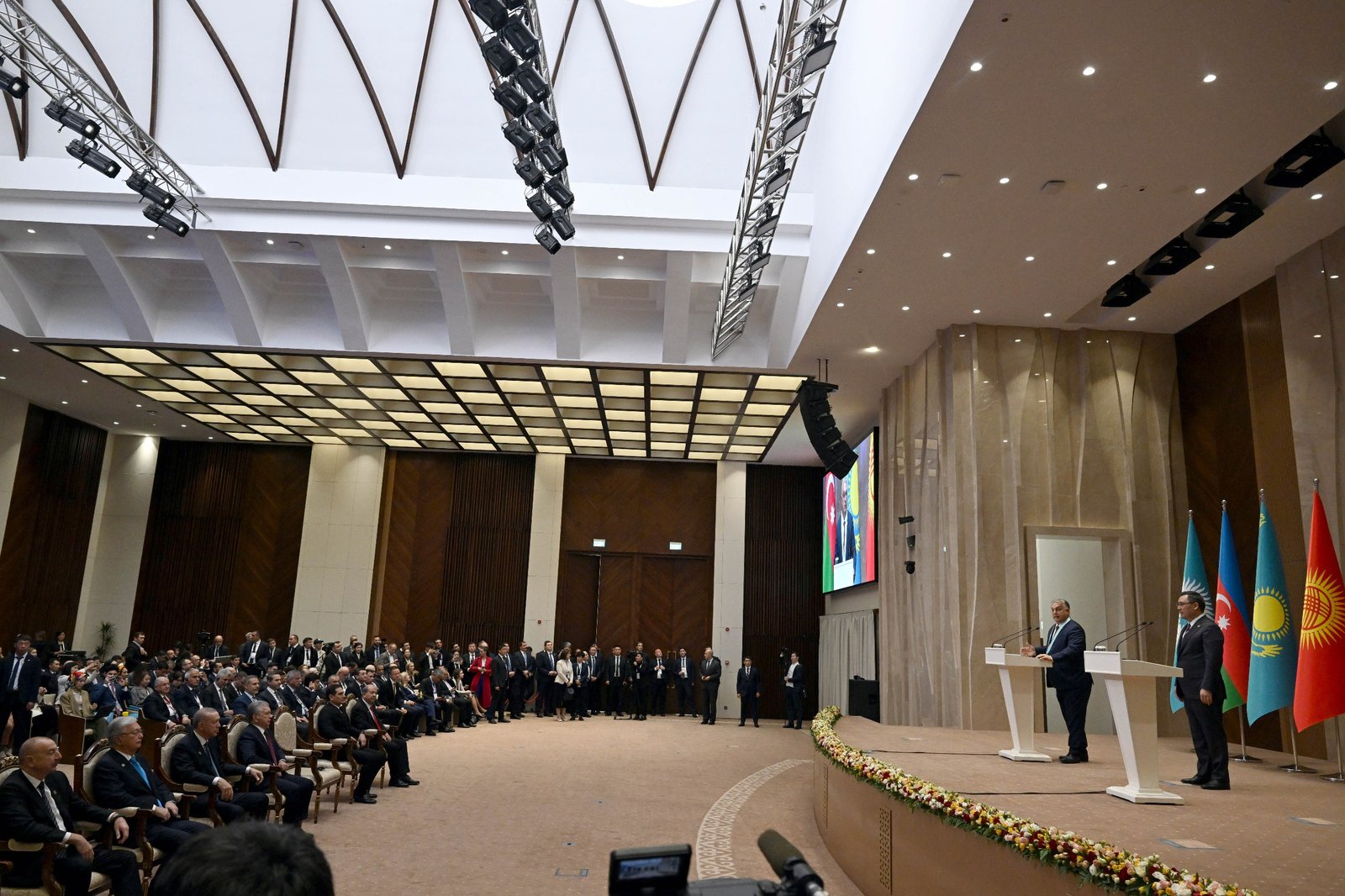
The Iran Russia strategic alliance took another visible step forward this week, as the two countries’ leaders met on the sidelines of a major regional summit to discuss expanding their long term partnership. Both sides emphasized the importance of fully implementing an existing treaty between the two nations.
The meeting took place during a large regional gathering that brings together leaders from across Eurasia, marking the first face to face discussion between the two leaders since a conflict involving Iran and Western powers began earlier this year. Both sides used the opportunity to reaffirm their commitment to closer cooperation.
Officials described the treaty between the two countries as a foundation for expanding collaboration across multiple areas, including economic and security cooperation. Leaders pointed to a regional economic union as one avenue that could help speed up and strengthen ties between the two nations going forward.
This deepening relationship comes at a particularly sensitive time for Iran, which continues to face economic difficulties tied to an ongoing conflict affecting a key regional shipping route. Strengthening ties with Russia offers Iran a valuable diplomatic and economic partner during a period of significant external pressure.
Analysts note that this alliance reflects a broader pattern among several nations seeking closer cooperation outside traditional Western aligned structures. Leaders from both countries have repeatedly emphasized the importance of building what they describe as a more balanced global order less dependent on any single dominant power.
The timing of this meeting, occurring alongside a larger summit involving numerous other regional leaders, adds symbolic weight to the discussion. Being seen together at a major international gathering sends a clear message about the strength and visibility of their partnership to other nations watching closely.
Some experts caution that symbolic gestures of solidarity do not always translate into significant concrete action. While public displays of unity carry political value, the practical impact of expanded cooperation often depends on specific agreements and follow through that take much longer to materialize.
Western officials have expressed concern about deepening ties between the two nations, particularly given ongoing tensions involving both countries separately. Growing cooperation between them could complicate diplomatic efforts aimed at resolving conflicts each nation is currently involved in in their own right.
Trade and economic cooperation remain central themes in discussions between the two governments. Both nations have faced various forms of international economic pressure in recent years, making closer collaboration an appealing option for supporting their respective economies during challenging periods.
Military cooperation has also drawn attention from international observers, though specific details from this particular meeting remain limited. Previous agreements between the two nations have included various forms of defense related collaboration, adding another layer of significance to their continued partnership.
As both nations continue navigating separate but overlapping international pressures, this latest meeting reinforces a partnership that shows no signs of weakening. Whether this alliance continues deepening in the months ahead will likely depend on how each country’s broader international situation continues to evolve.
