

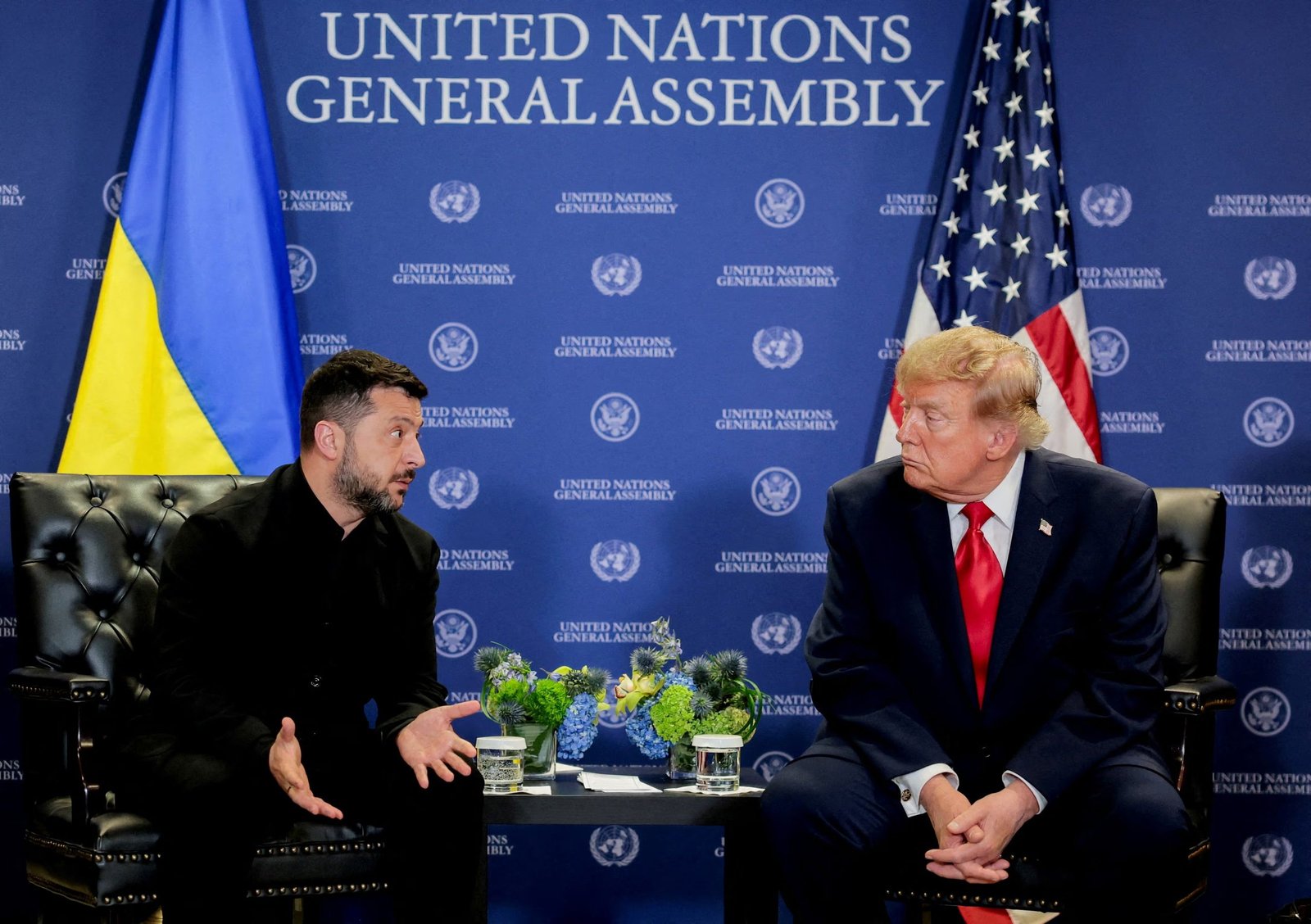
Efforts to find a path toward peace in Ukraine faced a new test on Wednesday, October 21, as US special envoy Steve Witkoff prepared to travel to Russia after talks with Ukrainian President Volodymyr Zelenskiy and European leaders in Oslo. The meetings came at a difficult time for relations between Washington and Kyiv. US President Donald Trump has urged Ukraine to settle the war, while Ukraine has raised concerns about military support and the sharing of intelligence.
Zelenskiy travelled to Norway in an effort to improve ties with the United States. Relations had become strained as Trump moved to engage more closely with Moscow and called on Ukraine to end the conflict. Kyiv has said that delays or limits on military aid could weaken its ability to defend its cities and troops. Ukraine also wants firm security guarantees to reduce the risk of another attack if a peace deal is reached.
Witkoff’s planned meeting with Russian President Vladimir Putin was expected to follow discussions in Oslo with Zelenskiy and leaders from Norway and Finland. The talks focused on possible steps toward a wider peace framework, including security guarantees for Ukraine, plans for economic recovery, and European security. These issues are central to any lasting agreement. A deal that stops the fighting but leaves Ukraine open to another attack could fail to bring long-term stability.
Ukraine has continued to face Russian attacks on its infrastructure. Zelenskiy said the country was again receiving early warnings of Russian missile strikes. He also discussed supplies of Patriot missile interceptors with US Secretary of State Marco Rubio. These air defence systems are important because they can help protect cities and critical sites from some missile threats. Ukraine has repeatedly asked its partners to provide more equipment as Russia continues its military campaign.
The use of Starlink satellite services has also been a concern for Kyiv. The system has played an important role in Ukraine’s communications, including in areas affected by the war. Ukrainian officials have raised problems with the service when it was used on fast-moving objects such as drones. Any limits on access can affect military planning and communication. The issue highlights how modern wars depend not only on weapons but also on private technology systems that can be used in the field.
The question of sanctions against Russia has added to the political strain. Trump has eased some restrictions on Russian fuel exports in an effort to help address high energy prices. The administration has argued that more fuel on the world market could help lower costs for US consumers. Ukraine and some European partners have criticised steps that may give Moscow more money from energy sales. They fear that increased revenue could help Russia continue its war.
The conflict has also become a major issue in wider European security talks. Leaders in the region want to know what role the United States will play if a peace agreement is reached. They also want clear plans for monitoring any ceasefire and responding if it is broken. These questions are difficult because Russia and Ukraine remain far apart on key issues, including territory and the future security of Ukraine. A meeting between leaders alone cannot resolve those disagreements.
For Ukraine, any peace plan must address the cost of rebuilding damaged homes, roads, power systems, and public services. The country will need large amounts of money and long-term support to restore areas affected by the fighting. A recovery plan could also help people who have been forced from their homes return safely. But reconstruction would be difficult if attacks continued or if investors believed that another war could begin.
For the United States, the talks offer a chance to test whether diplomatic pressure can bring the conflict closer to an end. Yet the different aims of Russia, Ukraine, and their partners leave many obstacles. Kyiv wants security and support, while Moscow has its own demands. European governments also want a settlement that does not weaken their wider security. The planned meeting between Witkoff and Putin may offer clues about whether the sides are ready to move forward, but a lasting peace will require more than a single round of talks.
