

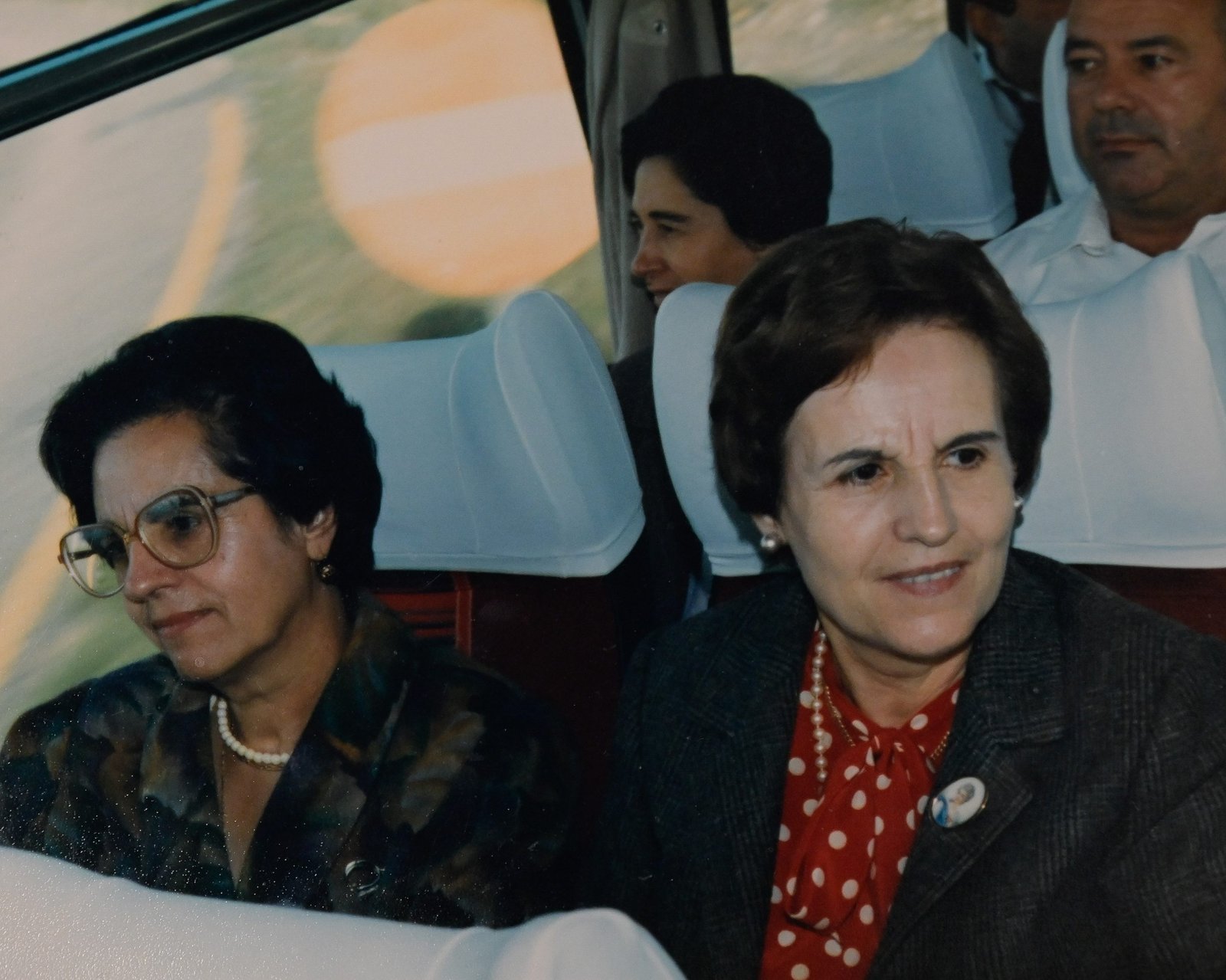
A small community in Sardinia is drawing interest because many of its women have reached an advanced age. Researchers and residents are examining whether social relationships, daily routines and local traditions may help explain the pattern. Bolotana is being considered as a possible addition to the world’s recognised blue zones, places known for unusually long-lived populations.
The term blue zone is used to describe communities where a high number of residents live to very old ages. Researchers have studied such places to understand the possible effects of diet, activity, family life and social connection. But there is no single habit that can guarantee a long life, and different communities may have different reasons for their health patterns.
In smaller Sardinian towns, daily life can include walking, household work and regular contact with neighbours. Older people may remain involved in family events and community activities for as long as they are able. These routines can support movement and social connection, although genetics, income and access to medical care also affect health.
Relationships can be particularly important in later life. Friends and relatives may provide emotional support, help with daily tasks and encourage people to stay active. Regular social contact can also reduce loneliness, which has been linked to poorer health outcomes in older adults.
Food is another subject of interest. Traditional meals in Sardinia can include vegetables, beans, grains and other basic ingredients, though eating habits vary and have changed over time. Scientists caution against treating one dish or ingredient as a secret to longevity. Overall diet, physical activity and medical care are all part of the picture.
The attention may also bring visitors and new business opportunities to the village. People interested in ageing and local culture may want to learn about the community’s way of life. However, residents need privacy and should not be treated simply as examples in a tourism campaign.
Researchers will need reliable records and careful methods to understand whether the village has a meaningful pattern of longevity. They must consider how ages are verified and whether the population’s history can explain some of the results. A careful study could offer useful insights, but it cannot prove that the same lifestyle will have the same effect everywhere.
For now, Bolotana’s experience highlights the possible value of staying active, maintaining close relationships and taking part in community life. These habits cannot remove every health risk, but they may help people maintain purpose and connection as they grow older.
