

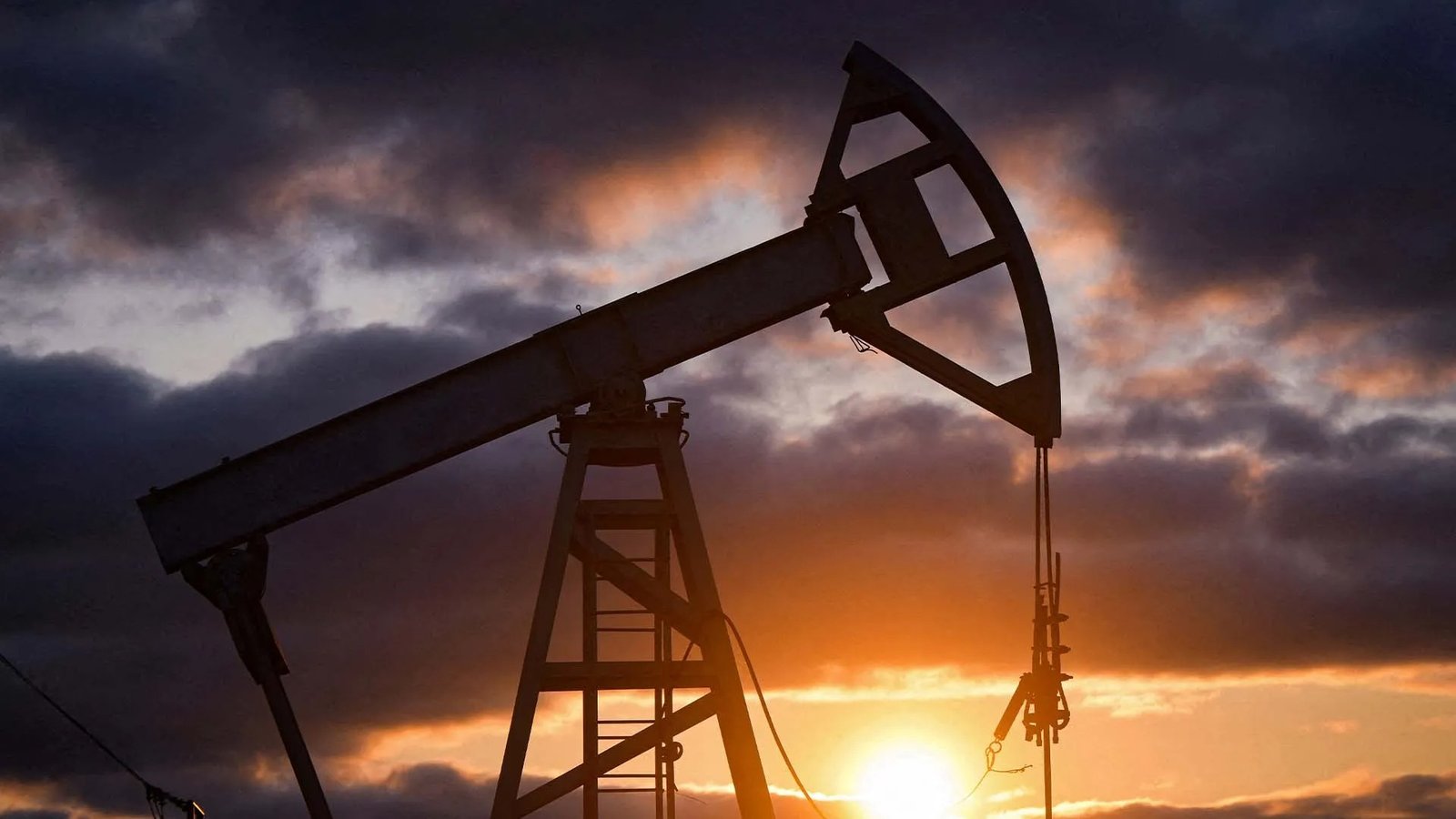
The latest jump in oil prices is creating fresh uncertainty for businesses already dealing with higher costs and uneven demand. Brent crude reached around $110 a barrel on Saturday as tensions in the Middle East raised fears of further disruption to energy supplies. The increase could affect companies well beyond the oil industry.
Transport firms are among the businesses most exposed to higher fuel prices. Airlines, shipping companies, delivery services and road hauliers rely on fuel to move people and goods. If costs rise quickly, they may increase prices, cut less profitable routes or accept lower margins to keep customers.
Manufacturers face similar pressure. Energy is needed to run factories, produce materials and move finished goods to markets. Companies that cannot pass higher costs on to customers may see profits fall. Smaller businesses often have fewer resources to absorb sudden price changes and may be forced to delay investment.
Higher oil prices can also affect consumer spending. When households pay more for fuel and heating, they have less money available for other purchases. This can reduce demand for restaurants, travel, entertainment and retail products. Businesses may then become more cautious about hiring workers or expanding operations.
Financial markets are watching the effect on inflation and interest rates. If energy costs push prices higher, central banks may delay cuts or consider tighter policy. That would raise borrowing costs for businesses that need loans to fund equipment, buildings or stock.
Some companies may respond by improving energy efficiency, reducing unnecessary travel or securing supply contracts in advance. These steps can help manage risk, but they cannot fully protect businesses from a major supply shock. Firms that depend on a small number of suppliers may be especially vulnerable if shipping routes are disrupted.
Governments can use emergency reserves and temporary support to reduce short-term pressure. Yet such measures have limits and may not be enough if the conflict continues for months. Stable energy supplies and safer shipping routes remain the most important factors for restoring confidence.
The latest price rise is a reminder that global business conditions can change quickly when geopolitics affects essential resources. Companies will need to prepare for continued volatility, while policymakers must balance the need to control inflation with the risk of slowing economic activity.
