

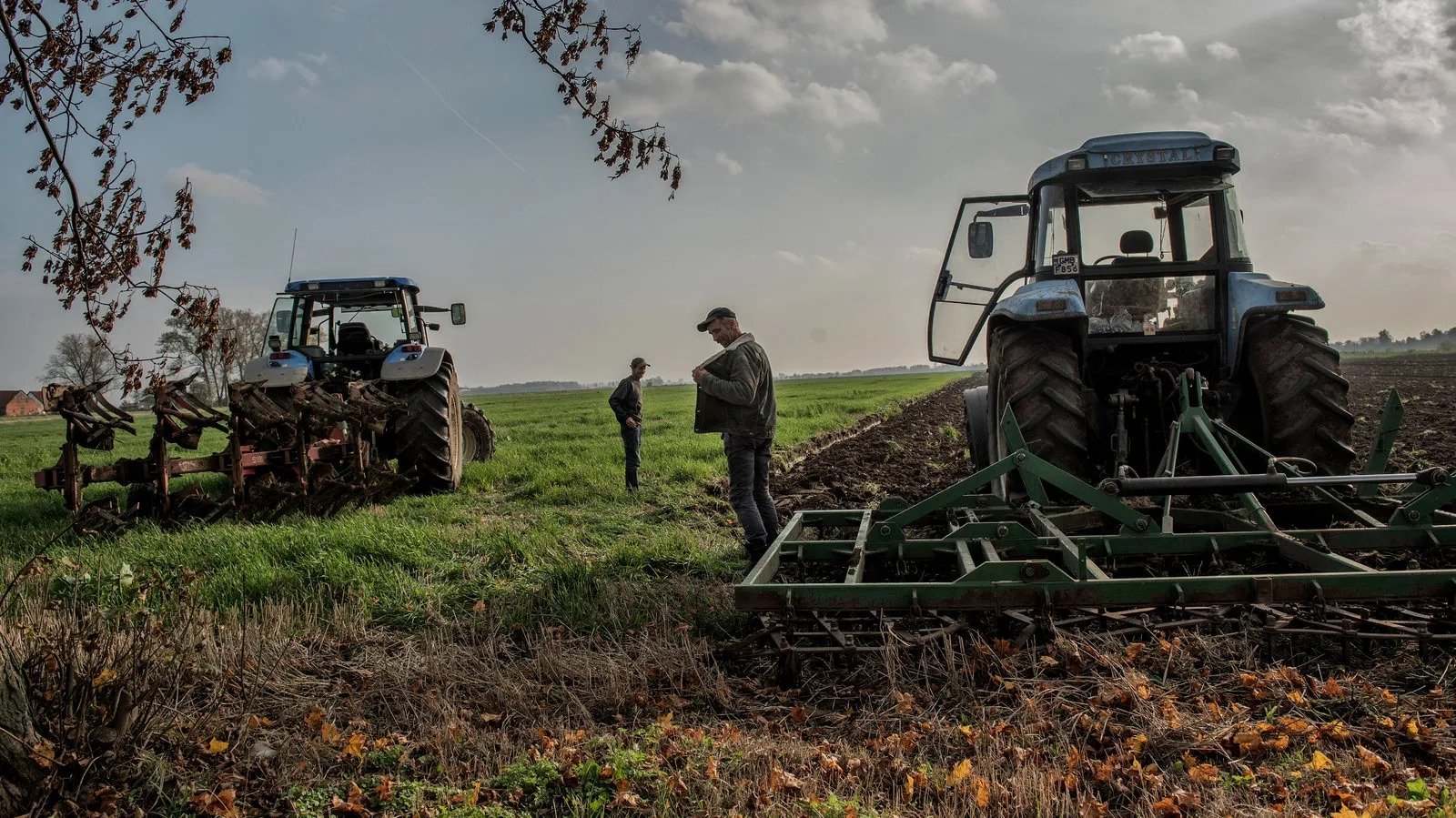
Farmers across Europe are facing growing pressure from extreme weather, rising costs and changes in growing conditions. The challenges are raising questions about how the region will protect food supplies while keeping farms financially viable. On World Food Day, a report highlighted the need for stronger support and farming methods that can cope with a changing climate.
Heat, drought, heavy rain and flooding can damage crops at different stages of the growing season. A dry spring may reduce the amount of water available for plants, while intense rain can wash away soil or prevent machinery from reaching fields. These events can leave farmers with lower harvests and less income, even when they have invested heavily in seeds, equipment and labour.
One proposed response is crop diversification. Instead of depending on a single crop, farmers can grow a wider range of plants that respond differently to weather and soil conditions. This can reduce the risk that one extreme event destroys an entire harvest. Diverse crops may also help improve soil health and support insects and other wildlife that are important to farming.
However, changing a farm’s approach can be costly. Farmers need access to suitable seeds, technical advice, machinery and markets for the crops they produce. A farmer who switches to a new crop may face uncertainty about whether buyers will offer a fair price. Without financial support during the transition, some may find it difficult to take the risk.
Farm policy can influence which choices are practical. Support that rewards environmental results may encourage farmers to protect soil, manage water more carefully and improve biodiversity. Such measures can bring benefits over time, but farmers need clear rules and payments that reflect the work involved.
The challenge extends beyond individual farms. Food production depends on healthy soil, reliable water, transport networks and workers who can carry out seasonal tasks. If extreme weather damages several regions at once, food prices can rise and supplies may become less predictable. That can affect households far from the fields where crops are grown.
Consumers can also play a role by reducing food waste and making use of a wider range of seasonal produce. Yet the main responsibility for adapting farming systems cannot rest on households alone. Governments, food companies and farmers need to work together to make supply chains more resilient.
Europe’s farms are not facing one single problem, and no single solution will protect every crop. A mix of better planning, diverse production, research and practical financial support may help reduce the risks. The goal is to protect farmers’ livelihoods while ensuring that communities can continue to access affordable, reliable food in the years ahead.
