

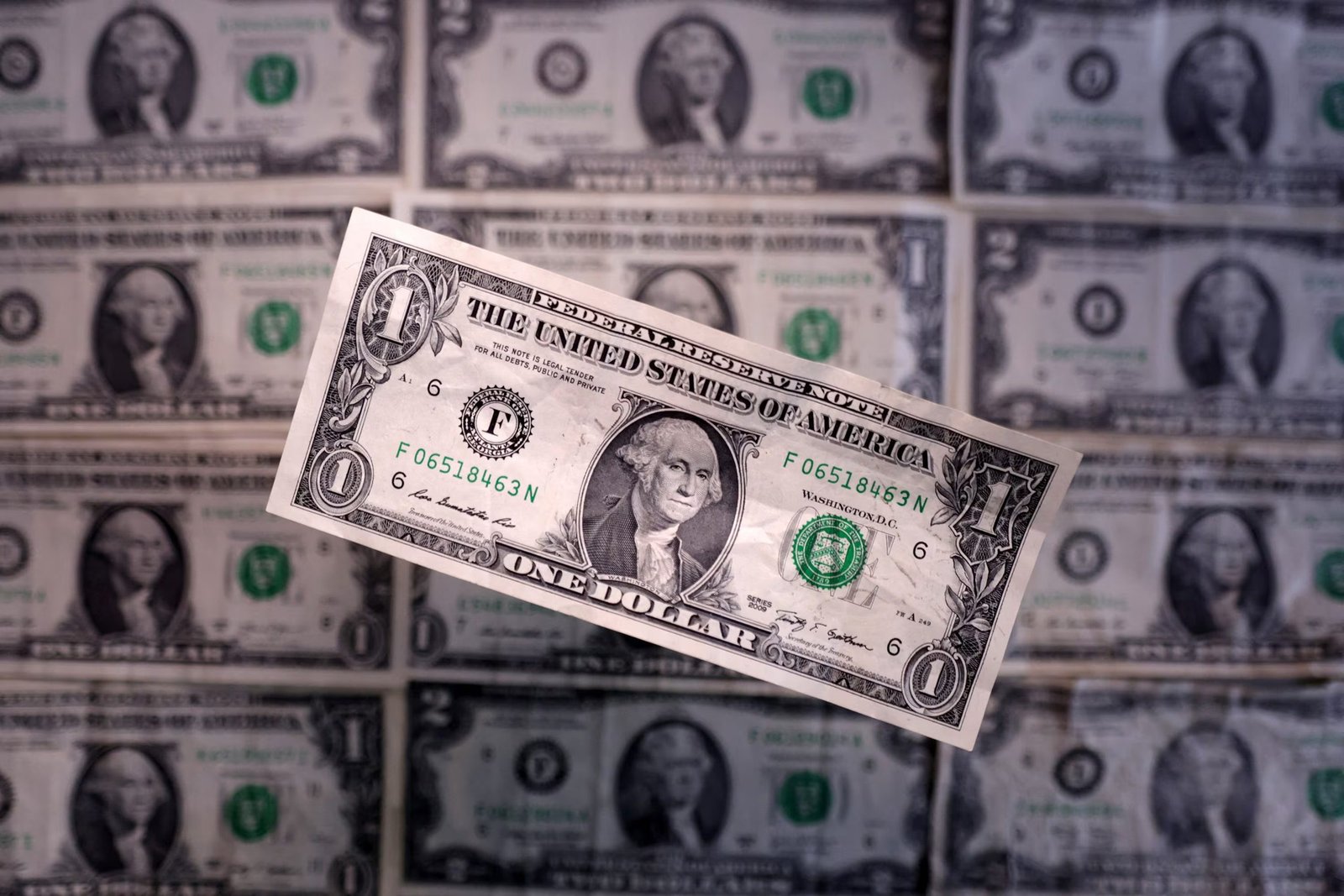
The US dollar fell from an 18-month high on Thursday as government bond yields declined and Federal Reserve officials signalled caution about raising interest rates. The move came after stronger-than-expected inflation data had initially lifted expectations that the central bank might tighten policy again. Investors are now weighing the risk of persistent inflation against signs that policymakers may prefer to wait for more information.
The dollar often gains when investors expect US interest rates to remain higher than rates in other major economies. Higher yields can make dollar-based assets more attractive to international investors. However, changes in bond prices can alter that outlook. When investors buy government bonds, their prices can rise and yields can fall, reducing some of the support for the dollar.
The euro and British pound recovered as the US currency weakened. Traders are also watching upcoming reports on retail sales and producer prices for clues about consumer demand and business costs. These figures may influence expectations for the Federal Reserve’s next decision. A stronger inflation reading could increase pressure to keep rates high, while signs of cooling economic activity may support a more cautious approach.
Currency markets can change quickly when economic data and central-bank comments point in different directions. Investors must consider inflation, employment, government borrowing and global risk at the same time. The dollar’s retreat does not necessarily mean that its broader strength has ended. It shows that traders are reassessing their expectations as they wait for clearer signals about US monetary policy and the direction of the economy.
