

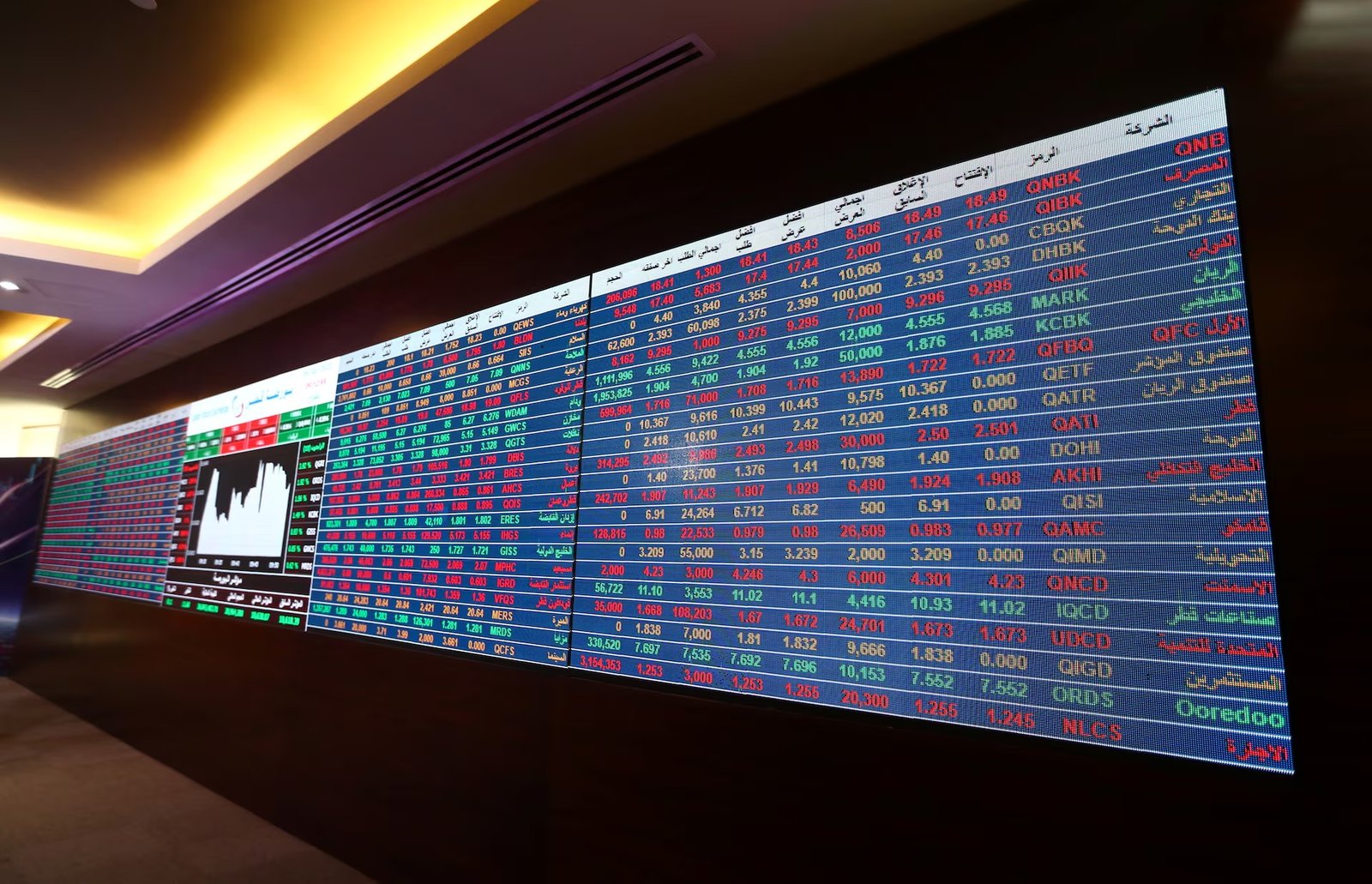
Saudi stocks fell on Wednesday after an attack damaged an administrative building linked to state oil company Saudi Aramco in Dhahran. The incident added to investor concern about the widening regional conflict and the safety of important energy facilities. Saudi Arabia’s main share index dropped, while shares in Aramco and Saudi National Bank also moved lower.
Saudi officials said the damage caused a small fire. The attack came amid a broader series of strikes and threats involving Yemen’s Houthi movement and Saudi territory. Recent incidents have raised concerns about airports, oil facilities and other important infrastructure. Investors are watching closely because energy production and transport play a major role in Saudi Arabia’s economy and in global oil markets.
Markets across the Gulf did not all move in the same direction. Qatar’s benchmark index declined, while stock indexes in Dubai and Abu Dhabi recorded small gains. These mixed results show that investors are weighing different local conditions as well as the shared risks posed by regional conflict. Financial markets can react quickly to security news because companies may face higher insurance costs, transport delays and uncertainty about future operations.
The wider concern is whether repeated attacks could disrupt energy supplies or make businesses more cautious about investment. Oil prices are influenced not only by production levels but also by the risk that shipments may be delayed or routes become unsafe. Companies and governments may need to spend more on protection and emergency planning. For investors, the next direction of Gulf markets will depend on whether tensions ease or further attacks create greater uncertainty for the region’s economy.
