

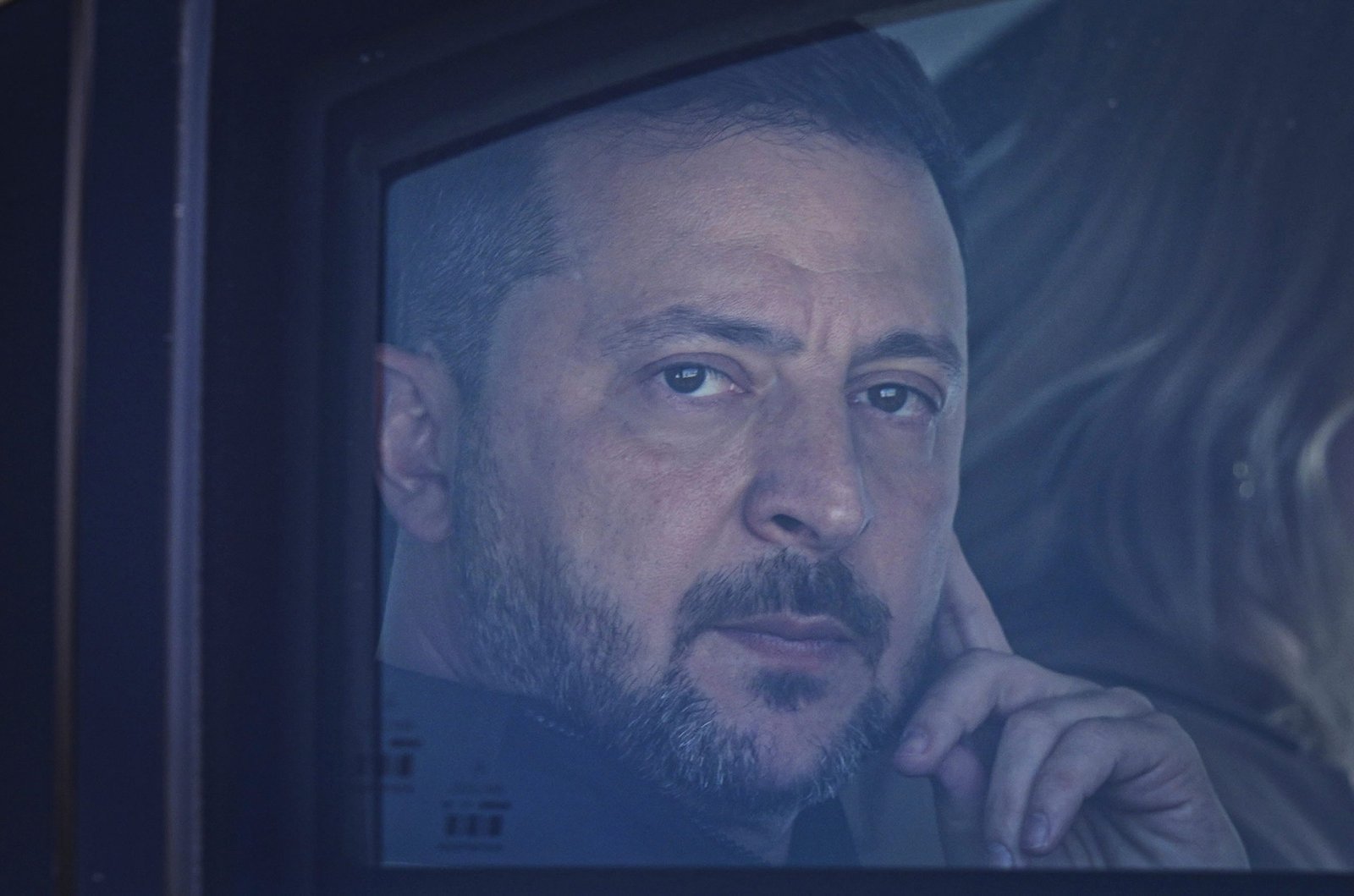
Tensions between US President Donald Trump and Ukrainian President Volodymyr Zelenskyy have grown after Washington agreed to ease restrictions on Russian diesel supplies. Trump criticised Zelenskyy and said Ukraine needed a new leader, while Ukrainian officials defended their president’s right to remain in office. The disagreement has added another challenge to efforts to end Russia’s war against Ukraine.
The dispute followed a US decision to allow Russian diesel to reach global markets under a temporary easing of sanctions. Trump said the move could help lower fuel prices at a time when energy costs are creating pressure at home. The decision drew anger in Kyiv, where officials fear that Russia could use new energy income to support its military campaign.
Zelenskyy’s foreign minister said the Ukrainian president had the support of the Ukrainian people and that the country’s leadership should be decided by its citizens. The response was a direct rejection of Trump’s call for a change in leadership. Ukrainian officials have repeatedly argued that Russia’s invasion has made security guarantees and continued international support essential to any lasting settlement.
The disagreement comes as the war continues to cause civilian deaths and damage to infrastructure. Russian strikes have hit Ukrainian cities and energy facilities, while Ukraine has attacked Russian oil infrastructure. Trump has urged Kyiv to stop attacks on Russian refineries, but Ukraine argues that targeting military-related energy sites can reduce Russia’s ability to fund and sustain its war.
European governments are watching the dispute closely. Britain has expressed solidarity with Ukraine, while Germany has said it will continue to support new European sanctions against Russia. European officials worry that easing restrictions could weaken pressure on Moscow at a time when Ukraine remains under attack.
The US and Russia have both suggested that a negotiated settlement remains possible, but their positions differ from those of Ukraine and its European partners. Kyiv wants security guarantees and an end to Russian attacks, while Moscow continues to seek political and territorial concessions. The gap between these positions remains wide.
The public dispute shows how difficult it will be to build a peace deal that all sides can accept. Energy prices, sanctions, military support, and Ukraine’s political future are now closely linked. Further talks may take place in the coming weeks, but any lasting agreement will depend on whether the parties can find terms that address Ukraine’s security and reduce the risk of renewed fighting.
