

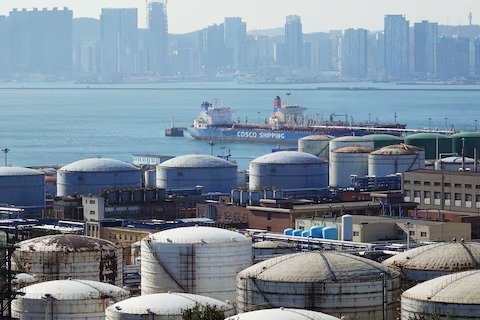
China is preparing to resume refined fuel exports during October after a short pause around the country’s Golden Week holiday. The move could provide some relief to global markets that have faced tight supplies because of conflict in the Middle East and disruption to energy routes. Trade sources said Beijing had approved about 3.7 million metric tons of combined diesel, gasoline and jet fuel exports for the month.
China is the world’s largest oil importer, but it also has a major refining industry that supplies fuel to domestic users and overseas markets. The government manages exports through a quota system, allowing officials to control how much fuel leaves the country. The system helps protect domestic supply while giving Beijing a way to respond when global energy markets become unstable.
Export permissions were temporarily limited during the holiday period, with refiners unable to send fuel to destinations beyond Hong Kong and Macau without the required approvals. The pause was part of a wider pattern of closer government control over fuel shipments this year. China had restricted exports from March as the conflict increased concerns about the availability of fuel at home and abroad, then eased some limits between July and September.
The return of exports matters because the global market has been under pressure. The war in the Middle East has disrupted oil and fuel movements, while attacks on ships have increased concern about transport through key sea routes. Diesel has been especially sensitive because it is used by trucks, factories, farm equipment and many industrial operations. A shortage can quickly raise the cost of moving goods and producing food.
China’s planned shipments may help buyers in Asia and other regions secure supplies. However, the size of the effect will depend on how much fuel refiners actually export and how quickly it reaches customers. A quota is permission to ship a certain amount, not a guarantee that every approved barrel or tonne will leave the country. Refiners must still consider prices, transport costs and domestic demand.
The International Energy Agency has also agreed to speed up the release of emergency oil stocks, with a focus on diesel supplies. Such measures can help ease short-term pressure, but they cannot solve a long disruption to oil production or shipping. Governments and companies are therefore watching both supply decisions and the security situation in the Middle East.
China’s export policy reflects a difficult balance. Sending more fuel overseas can help trading partners and bring revenue to refiners. Keeping more fuel at home can protect domestic consumers if supply becomes uncertain. The government must weigh those goals as oil prices move and the conflict continues to affect international markets.
The resumption of exports may also influence regional prices. If more diesel, gasoline and jet fuel become available, some buyers may find it easier to replace missing supplies. That could reduce the need to bid aggressively for cargoes from other producers. Yet prices may remain high if shipping risks continue or if other countries face production problems.
China Fuel Exports are therefore an important part of the wider effort to manage a strained energy market. The October quota gives buyers another source of supply, but it does not remove the risks created by conflict and transport disruption. Markets will now watch actual export volumes, government decisions and the flow of oil through the Middle East to see whether the extra fuel can bring lasting relief.
