

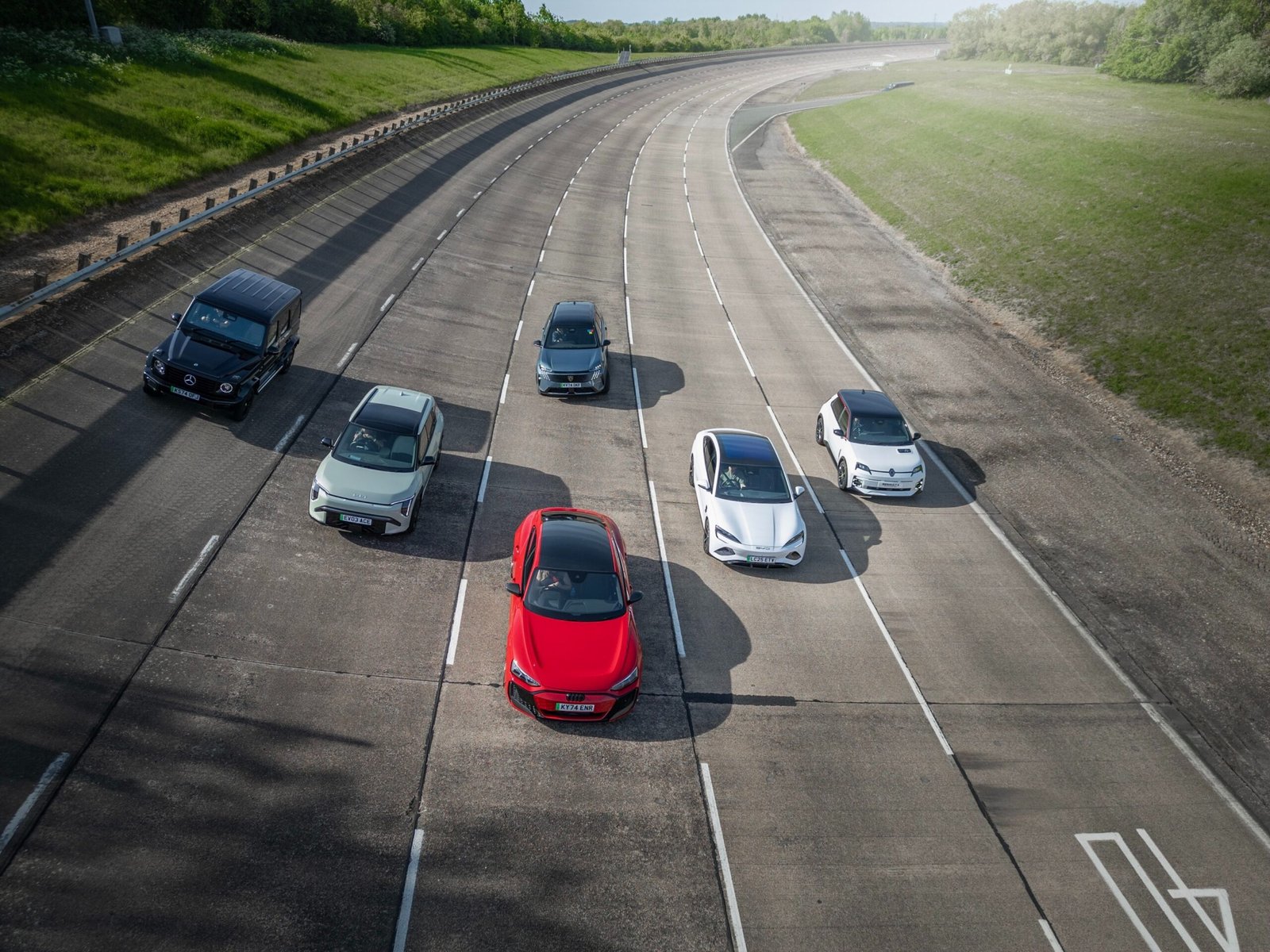
Electric vehicle sales in Europe have reached record levels this year as cheaper models and stronger consumer interest help expand the market. The development was reported on October 5, 2026, in what could become a major turning point for Europe’s car industry. Electric vehicles are becoming more common on European roads as manufacturers introduce more affordable models and governments continue to support the move away from petrol and diesel cars.
The change is important because transport is one of Europe’s largest sources of carbon emissions. Replacing combustion engines with electric motors can reduce emissions, especially when electricity comes from cleaner energy sources. For many years, high prices were one of the biggest barriers to electric car sales because battery-powered vehicles often cost more than similar petrol models.
That gap is beginning to narrow as car companies introduce smaller and cheaper electric vehicles aimed at ordinary households rather than only wealthy buyers. The wider choice is also helping consumers, who can now choose from electric city cars, family vehicles, SUVs and commercial models. As prices become more competitive, electric vehicles are becoming accessible to a larger part of the European market.
European manufacturers also face strong competition from Chinese companies. Chinese car makers have moved quickly into the European market with lower-priced electric vehicles, putting pressure on established brands. That competition has encouraged European companies to invest more in batteries, software and new production systems as they try to protect their market share.
The rise in electric vehicle sales is also changing the way people think about cars. Electric vehicles generally need less routine maintenance because they have fewer moving parts than traditional engines. However, charging remains a major issue, with some drivers still worried that there are not enough charging stations, especially outside major cities.
Governments and private companies are building more charging points, while high-speed chargers are becoming more common on major roads. The growth of electric vehicles is closely linked to changes in Europe’s energy system because drivers need charging to remain affordable and reliable. Electricity prices can vary widely between countries, and although home charging is usually cheaper than public fast charging, not every household has access to a private parking space.
Cities are therefore facing pressure to expand public charging networks as more electric vehicles enter the roads. The industry’s shift is also affecting jobs because traditional engine manufacturing requires different skills from electric motor and battery production. Some workers may need new training as factories change their production systems and companies invest in new technologies.
European governments want to protect the region’s large automotive industry while also meeting climate goals. The success of electric vehicles is therefore both an environmental and economic issue. The record sales suggest consumers are becoming more comfortable with the technology, but the growth is unlikely to be equal across all European countries.
Wealthier countries can adopt electric cars faster because consumers generally have more money and charging networks are stronger. Lower-income households may continue to depend on older petrol and diesel vehicles because the upfront cost of an electric car can still be difficult to afford. The industry will therefore need to make electric vehicles cheaper if it wants to achieve wider mass adoption.
The October 5 figures show that the market is moving in that direction. More affordable models, better batteries and stronger charging networks could push sales higher in the coming years. For European drivers, the change could mean more choices and lower running costs, while manufacturers face both an opportunity and a major challenge.
Companies that adapt quickly could gain market share, while those that move slowly may struggle to keep pace with changing consumer demand and technology. Europe’s record electric vehicle sales are therefore not just a car industry story. They are part of a larger change in transport, technology, energy and daily life across the continent.
