

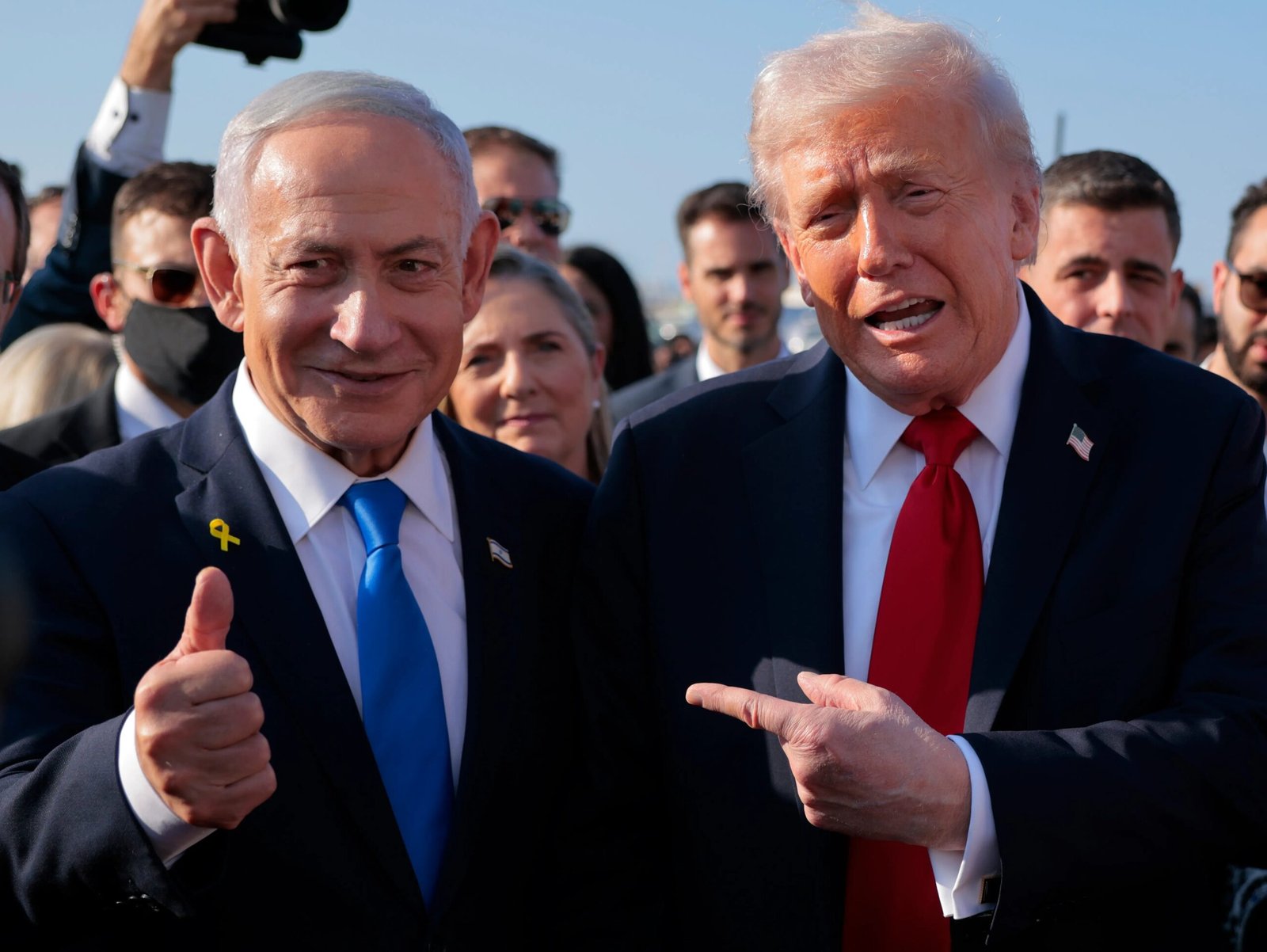
Israeli Prime Minister Benjamin Netanyahu told his Cabinet this week that Israel rejects a specific fifteen-point document related to President Trump’s broader Gaza peace plan, even while indicating that discussions with Washington regarding the territory’s future continue through other channels. Netanyahu reiterated his firm position that Israeli military forces will not withdraw from Gaza until Hamas has been genuinely and completely disarmed, a condition that continues representing one of the most significant obstacles to fully implementing the broader peace framework.
This public rejection marks the second time in recent weeks that Netanyahu has voiced similar objections to specific elements of the American-brokered plan, suggesting a sustained and genuine point of disagreement between Israeli and American positions regarding the practical sequencing of any eventual Israeli withdrawal relative to Hamas disarmament requirements. This disagreement persists even as both governments have continued engaging in ongoing discussions about Gaza’s longer-term governance and security arrangements.
The broader peace plan, first introduced by the Trump administration last month, envisions a complex phased approach to Gaza’s future, involving an initial division of the territory between an Israeli-controlled outer zone and a coastal region occupied by an international force, before an eventual transfer of authority to Palestinian technocrats operating under international oversight. Netanyahu’s specific objections appear to center on concerns that the plan’s current sequencing does not adequately guarantee Hamas disarmament before requiring Israeli military withdrawal from key areas.
This continued friction over implementation details arrives against the backdrop of an already fragile ceasefire arrangement that has faced repeated reported violations and challenges since its initial implementation. The persistent gap between American and Israeli positions on these specific sequencing questions illustrates the genuine difficulty of translating a broadly agreed framework into concrete, mutually acceptable implementation steps that satisfy the security concerns of all parties involved in this complex and historically fraught negotiation.
Hamas, for its part, has consistently maintained its own set of conditions and objections throughout this process, creating a genuinely three-sided negotiation dynamic where American mediators must work to bridge gaps not only between Israel and the broader international community’s expectations, but also address Hamas’s own demands regarding the terms of any disarmament and governance transition process.
Regional and international observers continue watching this unfolding diplomatic process closely, given the substantial humanitarian stakes involved for Gaza’s civilian population and the broader implications for regional stability that any breakdown in the current ceasefire framework could potentially trigger. The persistent disagreements over implementation specifics, even amid general agreement on broader peace plan principles, illustrate how genuinely difficult achieving durable resolution to this extended conflict remains, despite the significant diplomatic effort already invested in the current framework.
As these implementation disputes continue playing out through both public statements and continued private diplomatic engagement, the fundamental question of when and how Israeli forces might eventually withdraw from Gaza remains genuinely unresolved. Whether continued American diplomatic pressure can eventually bridge this gap between Israeli security demands and the plan’s current sequencing, or whether this disagreement continues indefinitely stalling full implementation, will likely become clearer only as negotiations continue developing in the weeks ahead.
