

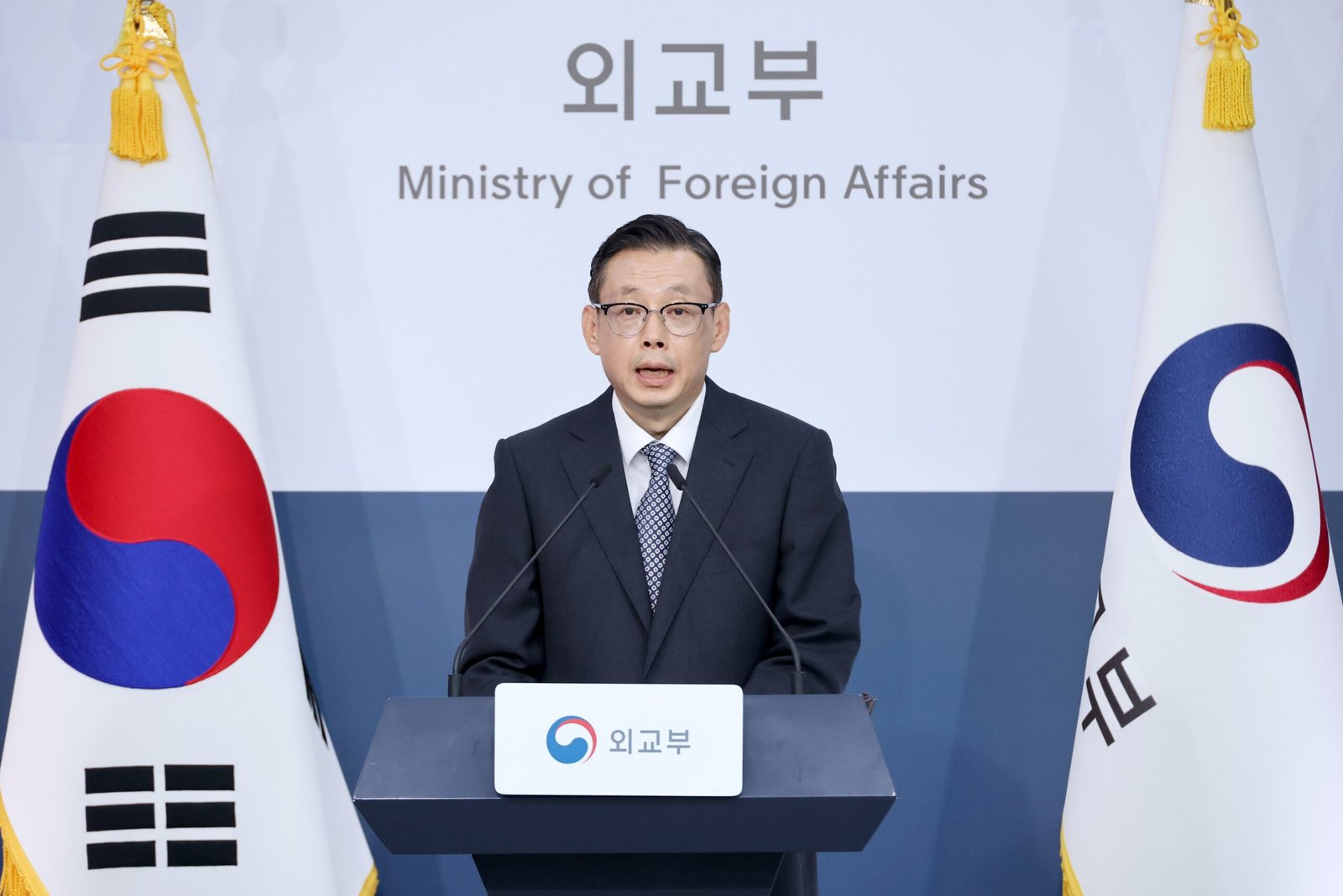
South Korean officials pushed back this week on how quickly and definitively the Alaska liquefied natural gas project had been characterized as finalized, with President Lee Jae-myung’s office clarifying that the fifty-four billion dollar venture will only proceed once its financial viability has been properly confirmed and it complies with South Korea’s own domestic legal procedures. This clarification came shortly after President Trump had publicly announced the investment as a settled component of South Korea’s broader two hundred billion dollar American energy investment package.
The disconnect between the two governments’ public characterizations of the deal’s status has created a notable diplomatic awkwardness, with Trump dismissing any suggestion that he had announced the project prematurely while South Korean officials have simultaneously emphasized that meaningful review and approval steps remain outstanding before any final commitment becomes official. This gap illustrates the genuine complexity involved in translating broad bilateral trade frameworks into specific, fully finalized individual project commitments.
South Korea’s Ministry of Trade, Industry and Resources confirmed that the two governments had agreed to begin jointly reviewing the Alaska project, which it referred to using the internal designation Project North, representing a notably more measured characterization than the finalized investment framing emphasized in American statements regarding the venture. This more cautious Korean framing suggests meaningful internal deliberation continues within South Korea’s government regarding the project’s ultimate commercial viability and strategic value.
Some South Korean lawmakers have reportedly expressed skepticism about the project’s fundamentals, with at least one legislator publicly stating that the Alaska LNG project has not actually been agreed upon in any binding sense, pointing to the considerably smaller scale of a comparable Canadian liquefied natural gas project that successfully launched operations despite involving multiple partner companies and a less ambitious overall scope than the Alaska venture currently under consideration.
This pattern of South Korean officials voicing caution about major American-announced investment commitments reflects a recurring dynamic that has characterized the broader bilateral trade relationship throughout the year, with Seoul generally working to ensure adequate domestic review processes are respected even while navigating the political pressure created by Trump’s public announcements regarding specific investment figures and project commitments.
Energy industry analysts note that infrastructure projects of this scale and complexity typically require extensive technical, financial, and regulatory review before any country can responsibly commit tens of billions of dollars in investment, making South Korea’s emphasis on proper due diligence procedures a reasonable and arguably necessary approach despite the political friction this caution has generated with American officials eager to finalize the broader investment package.
As this gap between American and Korean characterizations of the deal’s status continues generating diplomatic friction, both governments face pressure to reconcile their respective positions without derailing the broader economic partnership. Whether South Korea’s review process ultimately confirms the project’s viability and leads to full commitment, or whether this disagreement over process and timing evolves into a more serious bilateral dispute, will likely become clearer as this review process continues in the coming weeks.
