

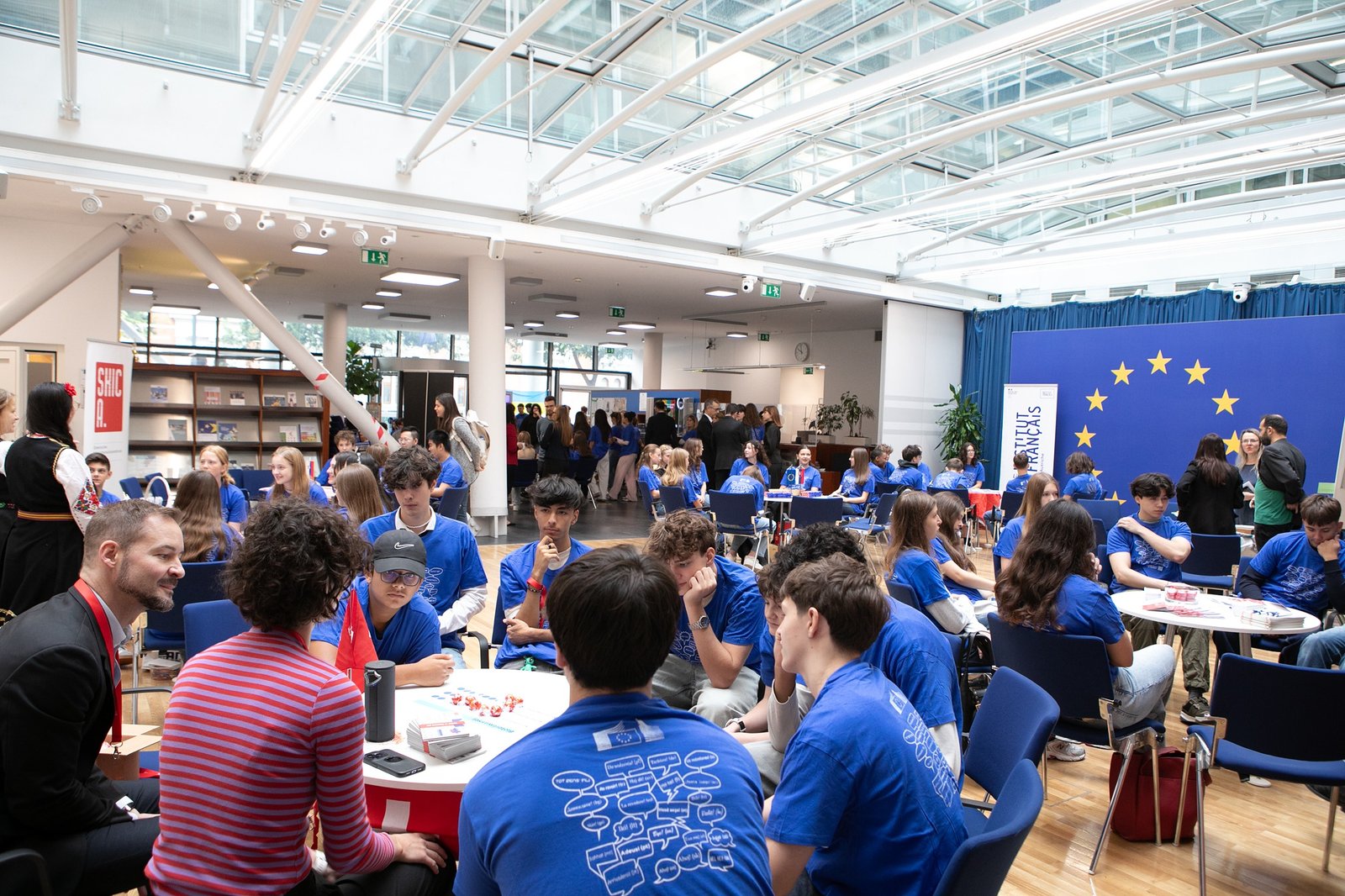
Communities across Europe are marking a moment dedicated to celebrating the continent’s extraordinary linguistic diversity this week, with schools, cultural institutions, and language organizations hosting events designed to highlight both the practical value and the deeper cultural richness that comes from Europe’s remarkable multilingual heritage. With more than two hundred languages spoken across the continent, ranging from major national languages to smaller regional and minority tongues, the observance offers an opportunity to reflect on how this diversity shapes daily life for hundreds of millions of people.
Language educators across multiple countries have used the occasion to emphasize the cognitive and social benefits associated with multilingualism, pointing to a growing body of research suggesting that people who speak multiple languages often demonstrate enhanced problem-solving abilities and greater cognitive flexibility compared to monolingual speakers. These findings have contributed to a broader push within European educational systems to expand language learning opportunities for students at increasingly younger ages, reflecting growing recognition of the long-term benefits associated with early multilingual education.
Beyond the classroom, many European cities have used this week to host public events celebrating linguistic diversity within their own communities, including cultural festivals, poetry readings in multiple languages, and educational programs designed to introduce residents to lesser-known regional languages that might otherwise receive limited public attention. These events often highlight the connection between language preservation and broader cultural identity, particularly for communities speaking minority languages that have historically faced pressure to assimilate toward more dominant national tongues.
The practical dimensions of multilingualism have also received significant attention throughout this week’s various observances, with business and workforce development organizations emphasizing how language skills increasingly translate into tangible economic advantages within an integrated European labor market. Professionals fluent in multiple languages often find expanded career opportunities across borders, and companies operating internationally frequently prioritize candidates with strong multilingual capabilities, particularly as European businesses continue deepening their cross-border economic integration.
Technology has increasingly intersected with efforts to promote and preserve linguistic diversity, with translation applications and language learning platforms making it considerably easier for people to engage with languages beyond their native tongue than in previous generations. While some linguists have expressed concern that widespread reliance on translation technology could potentially reduce motivation for deeper language learning, others argue these tools have actually expanded interest in linguistic diversity by lowering barriers to initial engagement with unfamiliar languages.
Minority and regional language advocates have used this week’s broader observance to draw particular attention to preservation efforts for languages facing declining numbers of fluent speakers, several of which exist within European countries where dominant national languages have historically overshadowed smaller regional tongues. These advocacy efforts often combine educational initiatives with broader cultural programming, aiming to demonstrate the continued vitality and relevance of these languages to younger generations who might otherwise have limited exposure to their linguistic heritage.
As this week’s various celebrations of linguistic diversity continue across the continent, the broader observance serves as a meaningful reminder of how deeply language shapes both individual identity and collective cultural heritage throughout Europe. Whether through formal educational programming, community cultural events, or simply increased personal attention to the languages spoken within one’s own community, this week’s activities reflect a genuine and ongoing appreciation for the remarkable linguistic richness that continues to define European cultural life.
