

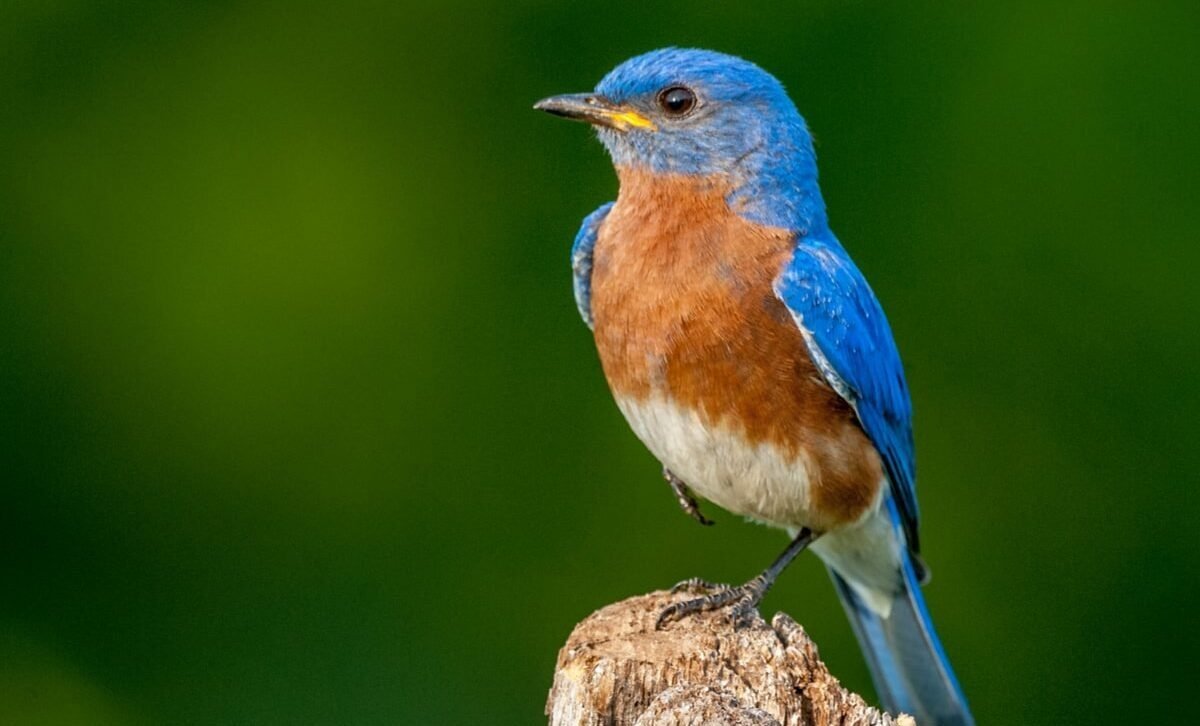
Today marks National Bluebird of Happiness Day, a lighthearted observance built around the symbolic image of the bluebird as a representation of hope, positivity, and simple contentment in everyday life. The bluebird has held symbolic significance across various cultural traditions for generations, often associated with the arrival of good fortune or the promise of brighter days ahead, making it a fitting emblem for a holiday centered specifically around cultivating a more optimistic outlook toward life’s everyday challenges and opportunities.
The symbolism of the bluebird as a harbinger of happiness traces back through various folk traditions and literary references that have shaped popular culture’s association between this particular bird and feelings of joy or contentment. Songs, stories, and artistic works throughout the decades have reinforced this connection, embedding the image of the bluebird deeply enough into popular consciousness that its symbolic meaning remains widely recognized even among people who may not know the specific origins of the association themselves.
Wellness advocates and mental health professionals have increasingly embraced the underlying concept behind today’s lighthearted observance, noting genuine psychological benefits associated with practices that encourage people to actively seek out and acknowledge sources of happiness in their daily lives. Research in positive psychology has consistently demonstrated that intentional gratitude practices and conscious efforts to notice positive experiences can meaningfully improve overall life satisfaction and emotional wellbeing over time, lending a degree of genuine substance to what might otherwise seem like a purely whimsical calendar observance.
Some people choose to mark today’s occasion through simple, low-key activities such as spending time outdoors observing local wildlife, including birds in their own neighborhoods, while others use the day as a gentle prompt to reflect more broadly on sources of contentment and gratitude in their own personal circumstances. This flexibility in how the day can be celebrated reflects a broader pattern common among many lighthearted calendar observances, which often work best when interpreted loosely rather than through any single prescribed set of required activities or rigid celebratory traditions.
Social media platforms have seen modest but consistent engagement around today’s observance, with users sharing photos of actual bluebirds spotted in their local areas alongside reflections on personal sources of happiness and gratitude. This kind of organic social sharing has become a common pattern for many similar lighthearted holidays throughout the calendar year, helping keep lesser-known observances like this one visible and relevant even without significant commercial promotion or widespread mainstream media attention.
Educators and parents have also found today’s theme useful as an accessible way to introduce younger children to concepts of gratitude and positive thinking through age-appropriate activities centered around the bluebird symbolism. Simple classroom or home activities, such as drawing pictures of bluebirds alongside lists of things that make children happy, offer an engaging and developmentally appropriate way to introduce these broader emotional wellness concepts without requiring more abstract discussions that might prove less accessible to younger audiences.
As today’s gentle celebration continues, the underlying invitation to pause and reflect on sources of happiness and gratitude offers genuine value regardless of how seriously anyone chooses to take the specific bluebird symbolism itself. Whether observed through an actual outdoor bird-watching excursion or simply through a few quiet moments of intentional gratitude reflection, today’s lighthearted holiday provides a small but meaningful opportunity to acknowledge the simple sources of contentment that often go unnoticed amid the busier demands of daily life.
