

New York City is preparing for one of its busiest weeks of the year as the United Nations General Assembly’s high-level week begins. Dozens of world leaders and their delegations are arriving for a packed schedule of speeches and meetings. For many residents, this annual event brings noticeable changes to daily life across parts of the city.
Traffic disruptions are among the most immediate impacts felt by New Yorkers during this period. Road closures near the United Nations headquarters and major hotels are common throughout the week. Commuters are often advised to plan extra travel time or consider alternative routes during peak hours.
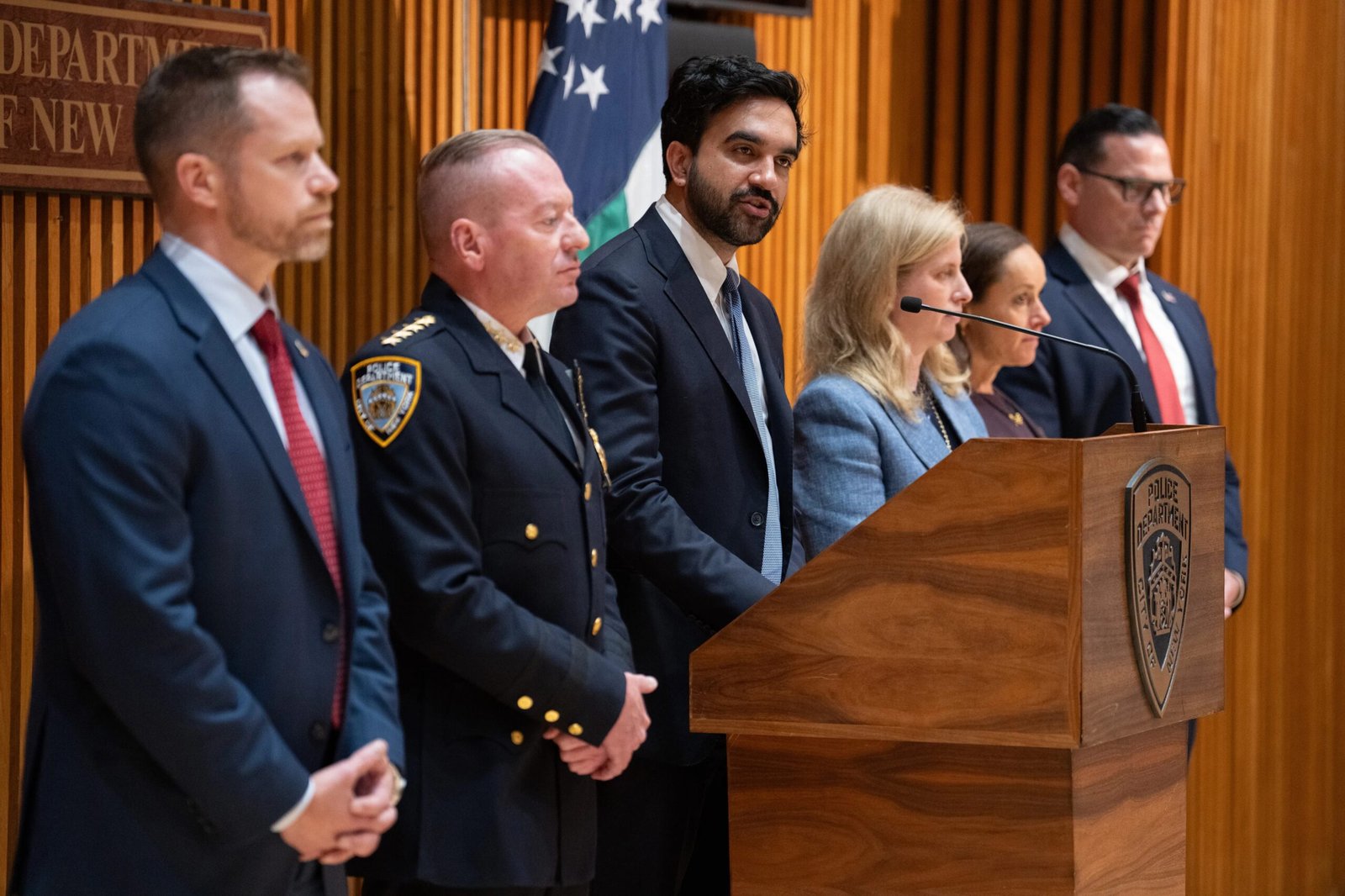
Security presence across the city increases significantly during high-level week. Police officers and security personnel are stationed throughout Midtown Manhattan to manage the arrival of world leaders and their motorcades. Local businesses in the area often report both increased foot traffic and occasional access restrictions during the busiest days.
Hotels near the United Nations frequently see a surge in bookings tied to the annual gathering. Diplomats, journalists, and support staff travel from around the world to attend the event. This influx provides a notable economic boost to hospitality businesses in the surrounding neighborhoods.
Restaurants and local shops near the UN complex often benefit from the increased activity during this period. Many establishments prepare for busier service throughout the week, accommodating both visiting delegations and curious onlookers. Some businesses even offer special promotions tied to the high-profile event.
For residents living and working near the United Nations, the annual gathering brings a mix of inconvenience and excitement. Many longtime New Yorkers have grown accustomed to the yearly disruptions that come with hosting world leaders. Others enjoy the unique energy the event brings to their neighborhood each fall.
Public transportation authorities often adjust services slightly to accommodate increased security measures during the week. Officials encourage residents to check for updates before traveling through affected areas. Despite the disruptions, the subway and bus systems generally continue operating with only minor adjustments.
Media coverage of the event also brings a noticeable presence of journalists and camera crews throughout the city. Television trucks and reporters are commonly seen stationed near major hotels and event venues. This heightened media attention adds to the overall sense of a citywide spotlight during the week.
Local schools and businesses near the United Nations sometimes adjust operations slightly during the busiest days of the gathering. Some organizations plan around the disruptions well in advance, having experienced similar patterns in previous years. This level of preparation has become a routine part of doing business in the area each September.
Despite the challenges, many New Yorkers view the annual gathering as a reminder of the city’s unique global role. Hosting world leaders and international discussions has long been part of the city’s identity. This blend of everyday city life alongside major world events remains one of New York’s distinctive characteristics each fall.
As the week continues, residents and visitors alike are adjusting to the temporary changes brought on by this significant diplomatic gathering. For many, the disruptions are simply part of the seasonal rhythm of life in a city that regularly hosts the world’s attention. By the time the assembly concludes, the city will gradually return to its typical pace.
