

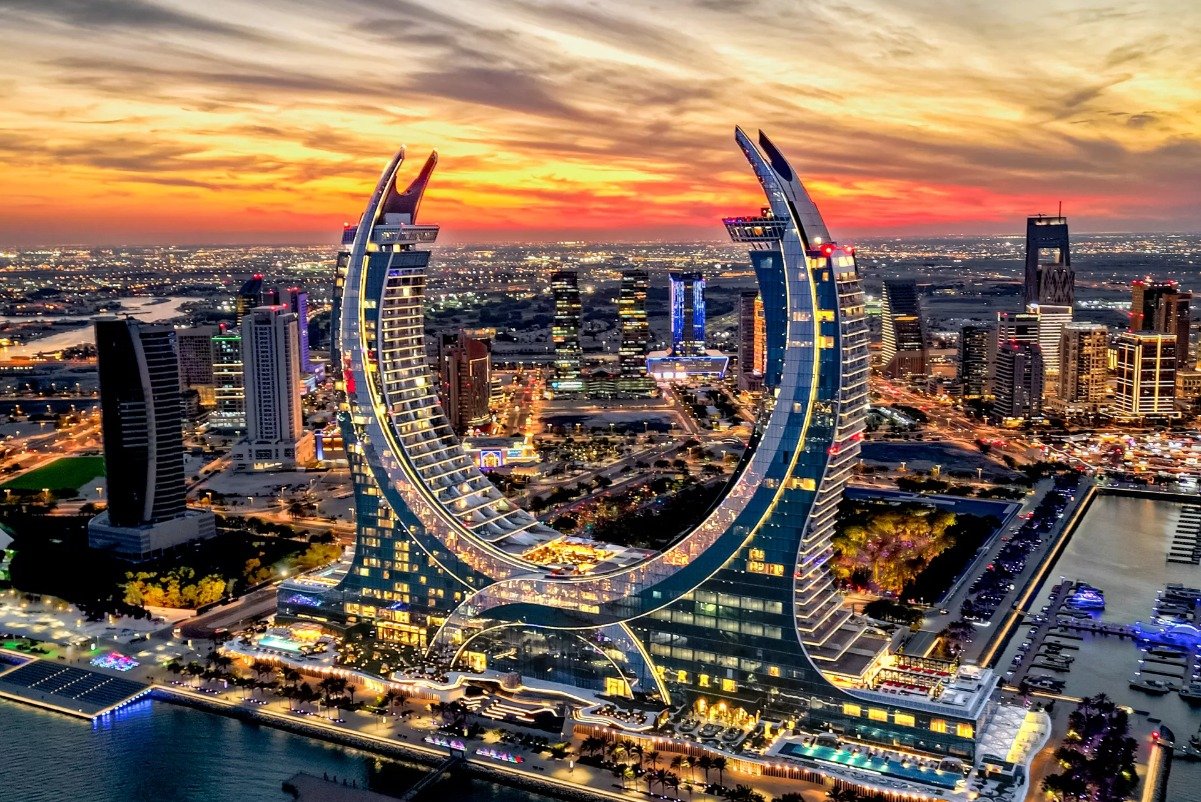
As regional temperatures soar past fifty degrees Celsius, Qatar invests cooling technology infrastructure at unprecedented scale, deploying district cooling networks and climate conscious architectural approaches designed to keep urban areas livable and economically productive despite extreme conditions.
District cooling networks represent a central component of this strategy, distributing chilled water through underground pipe systems to multiple buildings simultaneously, offering significantly greater energy efficiency compared to individual building cooling systems operating independently.
This infrastructure investment reflects broader recognition that extreme heat presents genuine economic challenges, potentially limiting outdoor work capacity and requiring substantial energy expenditure simply to maintain functional indoor environments throughout the hottest portions of the year.
Climate conscious architecture has become increasingly central to new construction throughout the region, with building designs incorporating features specifically intended to reduce cooling demands through improved insulation, strategic shading, and materials selected for thermal performance characteristics.
Energy consumption connected to cooling represents a substantial portion of overall electricity demand throughout the region, making efficiency improvements particularly valuable for both economic and environmental reasons as populations and development continue expanding.
Outdoor cooling technologies have also seen significant investment, with various public spaces incorporating misting systems, shaded structures, and even air conditioned outdoor areas designed to allow continued use of exterior spaces despite extreme ambient temperatures.
Labor productivity considerations factor significantly into these investments, with research demonstrating substantial productivity declines when workers must operate in extreme heat conditions, creating direct economic incentives for improving thermal comfort across various work environments.
Regional competition for international business investment adds another dimension to these infrastructure decisions, with comfortable, functional urban environments representing an important factor in attracting multinational companies and skilled professionals to establish regional operations.
Sustainability considerations have increasingly influenced cooling technology selection, with newer systems designed to minimize environmental impact while still providing necessary thermal comfort, reflecting growing awareness of the relationship between cooling demands and broader climate concerns.
Technological innovation in this sector continues advancing, with regional research institutions and international technology companies collaborating on developing more efficient cooling solutions specifically optimized for the extreme conditions characterizing this particular climate.
As temperatures continue presenting significant challenges throughout the region, these infrastructure investments represent a substantial commitment to maintaining urban livability and economic productivity. The approaches developed here may eventually inform similar efforts in other regions facing increasingly extreme temperature conditions.
