

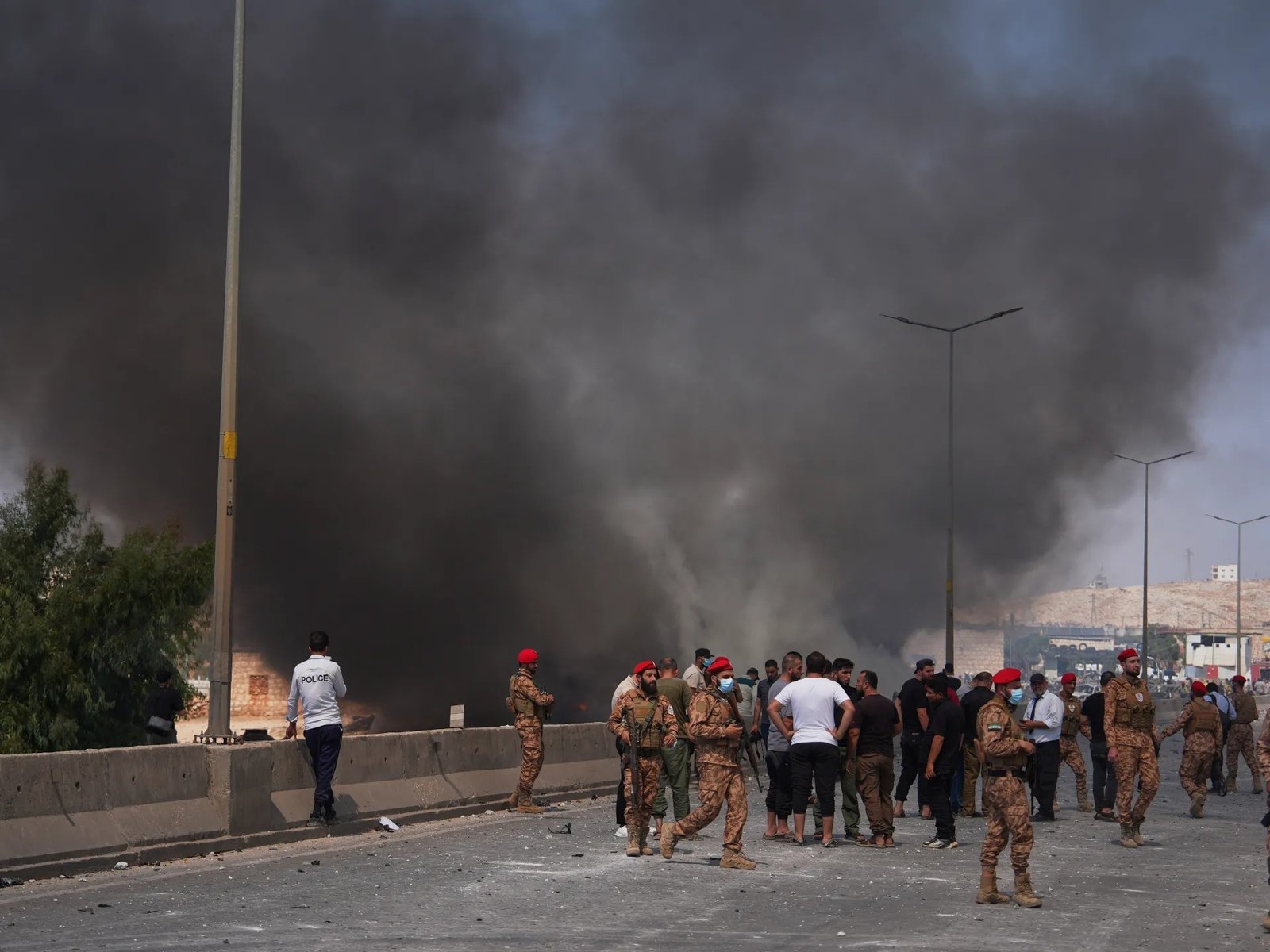
A devastating explosion at a temporary storage facility for wartime munitions near the town of Sarmada in Syria munitions blast kills one person while leaving eleven others injured, with rescue teams continuing to search the damaged site for additional survivors.
This incident highlights the ongoing and severe unexploded ordnance crisis affecting Syria, where humanitarian workers report that a person is killed or wounded by leftover wartime explosives approximately every six hours somewhere throughout the country.
Years of conflict have left enormous quantities of unexploded munitions scattered across Syrian territory, creating persistent danger for civilians long after active fighting has subsided in various regions, with children particularly vulnerable to these hidden hazards.
Humanitarian demining organizations working throughout Syria face an extraordinarily challenging task, given the scale of contamination across the country and the limited resources available for systematic clearance operations covering affected residential and agricultural areas.
Temporary storage sites for collected munitions represent a necessary but inherently risky component of clearance operations, requiring careful handling and appropriate storage protocols to prevent exactly the kind of catastrophic accident that occurred near Sarmada.
The human cost of unexploded ordnance extends well beyond immediate casualties, with contaminated agricultural land preventing farming activities that communities depend upon for food security and economic sustainability throughout affected regions of the country.
International organizations have called for expanded funding and technical support for demining operations in Syria, arguing that comprehensive clearance represents an essential prerequisite for meaningful reconstruction and the eventual safe return of displaced populations to their home communities.
Children face particular risk from unexploded ordnance, given that some munitions resemble toys or interesting objects that might attract young people unaware of the extreme danger these items present, making educational awareness programs a critical component of protection efforts.
Medical facilities throughout affected regions continue treating injuries from these incidents, often facing resource constraints that complicate treatment of the severe trauma injuries typically resulting from explosive accidents involving leftover wartime munitions.
Reconstruction efforts throughout Syria remain significantly complicated by ordnance contamination, with development projects requiring clearance operations before construction can safely proceed, adding substantial time and cost to already challenging rebuilding initiatives.
As rescue operations continue at the Sarmada site, this incident underscores the persistent humanitarian crisis affecting Syrian communities long after active conflict subsided. International support for comprehensive demining operations remains essential for eventually addressing this ongoing threat to civilian safety.
