

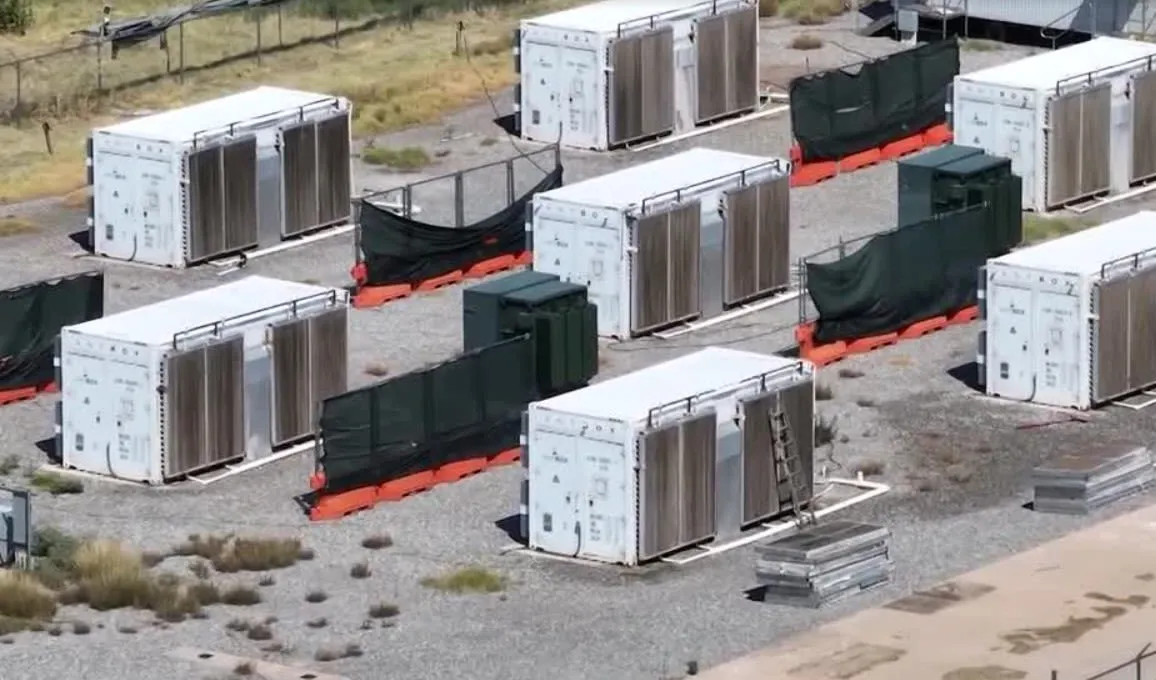
Local authorities have taken the significant step of having an Oklahoma Bitcoin mining site condemned following a substantial water leak that released approximately three million gallons, raising serious environmental and infrastructure concerns about cryptocurrency mining operations in the region.
The condemnation reflects growing regulatory scrutiny facing cryptocurrency mining operations, which require substantial resources for both electricity and, in many cases, water based cooling systems necessary to manage the significant heat generated by intensive computing equipment used in mining operations.
This incident highlights infrastructure challenges that have periodically affected cryptocurrency mining facilities, given the substantial resource demands these operations place on local utility systems that were often not originally designed to accommodate such intensive industrial computing operations.
Water usage connected to cryptocurrency mining has drawn increasing environmental scrutiny in various regions, with some mining operations relying on water based cooling systems that can strain local water resources, particularly in areas already facing water availability challenges or aging infrastructure.
Local officials have not detailed the specific cause of this substantial water leak, though such incidents at industrial facilities can result from various factors including equipment failure, inadequate maintenance, or infrastructure not properly designed for the specific demands of the operation involved.
This condemnation adds to a broader pattern of regulatory challenges facing cryptocurrency mining operations across various states, as local governments increasingly grapple with how to appropriately regulate an industry that brings both economic development opportunities and significant infrastructure demands.
Community reaction to this incident reflects broader tensions that have emerged in various localities hosting cryptocurrency mining operations, with residents sometimes expressing concern about resource strain and environmental impact alongside recognition of potential economic benefits these facilities can provide.
Industry representatives have generally emphasized ongoing efforts to develop more sustainable mining practices, including alternative cooling technologies that reduce water dependency, though implementation of these approaches varies significantly across different mining operations and facility designs.
This incident may prompt increased regulatory attention toward infrastructure requirements and environmental safeguards for cryptocurrency mining facilities, potentially leading to more stringent oversight requirements before similar operations receive approval in other jurisdictions considering such facilities.
Cryptocurrency mining’s broader environmental impact continues generating significant public debate, with critics highlighting substantial resource consumption while supporters point to economic development benefits and ongoing industry efforts toward more sustainable operational practices going forward.
As this condemned facility’s situation continues developing, local officials face decisions about remediation requirements and potential future use of the site. This incident adds to ongoing national conversations about appropriately balancing cryptocurrency industry growth against legitimate environmental and infrastructure concerns.
