

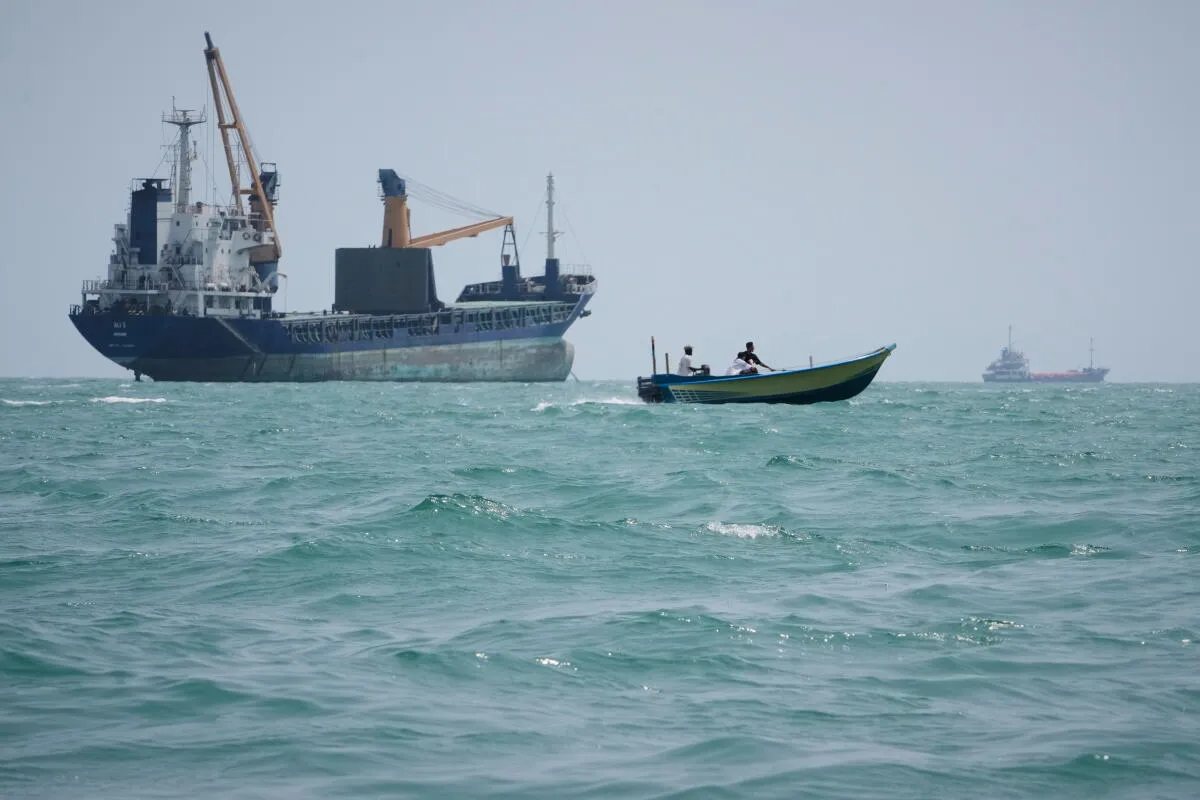
Iranian authorities announced a Tehran restricted zone Hormuz declaration this week, designating specific waters near the critical shipping strait as off limits to commercial vessels, citing ongoing military operations connected to the extended conflict with the United States and Israel.
The announcement represents a significant escalation in Iran’s approach to the strategically vital waterway, potentially affecting global shipping patterns given the strait’s critical role carrying a substantial portion of the world’s oil and natural gas exports on a daily basis.
Iranian officials have framed this restricted zone as a necessary security measure given ongoing military activity in the area, though the practical implications for international shipping companies remain uncertain as they assess how to navigate this newly designated restricted maritime zone.
This declaration adds to months of escalating tension surrounding the strait, which has repeatedly served as a flashpoint throughout the extended conflict, with various incidents involving attempted mining operations, missile strikes, and other military activities affecting normal shipping operations.
International shipping companies now face difficult decisions regarding whether to continue operations within or near the newly designated restricted zone, weighing potential safety risks against the significant costs and delays associated with rerouting vessels around the affected waters.
Maritime insurance providers have already begun reassessing risk calculations for vessels operating in the region, with this latest restriction likely to further increase already elevated war risk premiums that shipping companies must factor into their operational cost calculations.
Global energy markets reacted immediately to news of this restricted zone declaration, with oil prices climbing further as traders assessed the potential for reduced shipping capacity through a waterway that remains critical to maintaining stable global energy supply chains.
International legal experts have raised questions about the legitimacy of unilaterally restricting international waters, noting that such declarations typically require careful navigation of international maritime law governing rights of passage through internationally recognized shipping channels.
Regional allies and international partners have expressed concern about this latest development, recognizing that any significant disruption to shipping through the strait could have far reaching consequences extending well beyond the immediate parties involved in the underlying conflict.
Diplomatic channels remain active despite this latest escalation, with various nations continuing efforts to address the broader conflict even as individual incidents like this restricted zone declaration add fresh complexity to already challenging negotiations aimed at achieving eventual resolution.
As shipping companies and international observers assess the practical implications of this restricted zone, attention remains focused on how strictly Iran intends to enforce these new restrictions. The coming days will likely reveal whether this declaration significantly disrupts shipping patterns or represents primarily a symbolic escalation in the ongoing conflict.
