

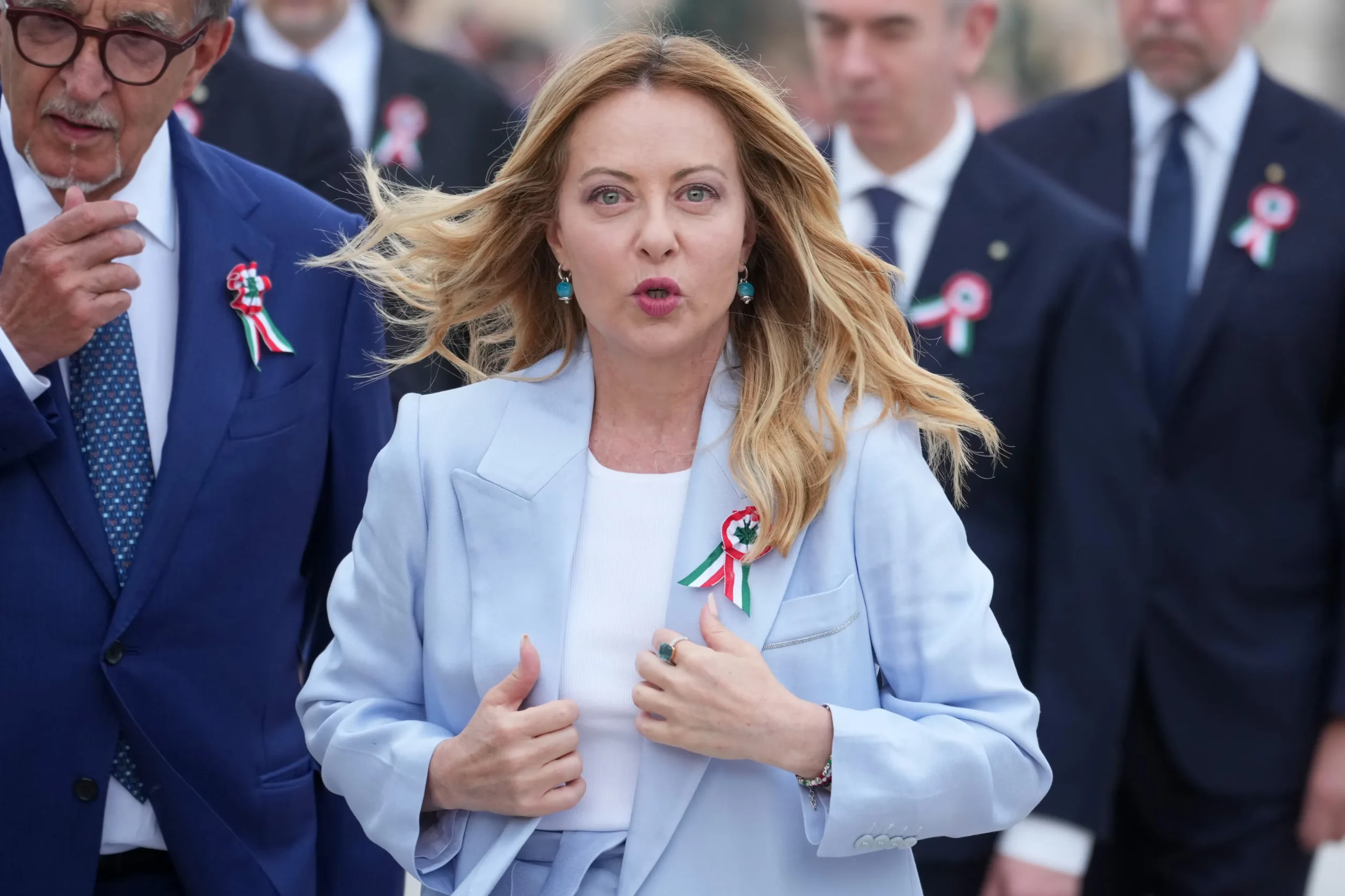
Italian financial markets showed continued stability this week amid Italian markets Meloni record political developments, as Prime Minister Giorgia Meloni’s government officially became the longest serving administration in Italy’s postwar political history.
This political milestone reflects a notable departure from Italy’s historically volatile political landscape, which has frequently seen frequent government changes and short lived coalitions throughout the postwar decades, making sustained governmental stability a significant achievement for Meloni’s administration.
Financial analysts note that this extended period of political stability has provided a more predictable environment for investors and businesses operating within Italy, potentially supporting more consistent economic policy implementation compared to the frequent leadership changes common in previous decades.
Italian government bond yields have generally remained stable throughout this extended period of political continuity, reflecting investor confidence in the government’s ability to maintain consistent fiscal and economic policy approaches without the disruption typically associated with frequent leadership transitions.
Business confidence surveys have shown generally positive sentiment connected to this political stability, with many Italian companies citing predictable governance as a valuable factor supporting longer term investment and planning decisions compared to previous periods of frequent political turnover.
The stock market has responded favorably overall to this sustained political continuity, with Italian equities generally performing in line with or better than broader European market trends during this extended period under consistent government leadership and economic policy direction.
International investors have taken note of Italy’s improved political stability, with some analysts suggesting this shift has contributed to more favorable risk assessments for Italian assets compared to historical periods when frequent government changes created additional uncertainty for market participants.
Economic policy consistency under this administration has included various initiatives aimed at addressing Italy’s longstanding structural economic challenges, including efforts targeting public debt levels, labor market reforms, and initiatives designed to support broader economic growth throughout the country.
Coalition management has proven a key factor in sustaining this government’s longevity, with Meloni successfully navigating the complex multiparty dynamics that have historically challenged Italian governments attempting to maintain stable governing majorities over extended periods.
Credit rating agencies have generally maintained stable outlooks for Italian sovereign debt throughout this period, reflecting assessment of the country’s improved political stability alongside ongoing monitoring of broader fiscal metrics and economic performance indicators relevant to sovereign creditworthiness.
As this political milestone continues generating attention, market participants will be watching closely to see whether sustained stability translates into continued economic policy consistency. For now, Italian markets appear to be viewing this extended period of governmental continuity as a generally positive development for the broader investment environment.
